
Quick Summary
Cupping therapy uses suction cups to lift the skin and underlying tissue and may help with muscle tension, localized discomfort, circulation, and mobility. It can be performed using dry, moving, air, or wet techniques, depending on the treatment approach. Temporary circular marks and mild soreness can occur after treatment. We may incorporate cupping into personalized chiropractic and rehabilitation plans for appropriate patients. At Elite Spine & Health Center, our Houston and Spring teams evaluate your needs before recommending cupping as part of your overall care.
Pain, muscle tightness, and restricted movement can make everyday activities harder. If you have tried conventional approaches and are looking for additional options, you may have heard about cupping therapy.
Cupping is an established therapeutic practice that uses suction cups on targeted areas of the body. Today, practitioners may use it alongside chiropractic care and other approaches to address muscle tension, discomfort, and mobility concerns.
At our Houston and Spring locations, we use cupping therapy as part of individualized care when it fits a patient’s needs. Here is what to know about the treatment, its potential benefits, different techniques, and what you can expect during a session.
What is Cupping Therapy?
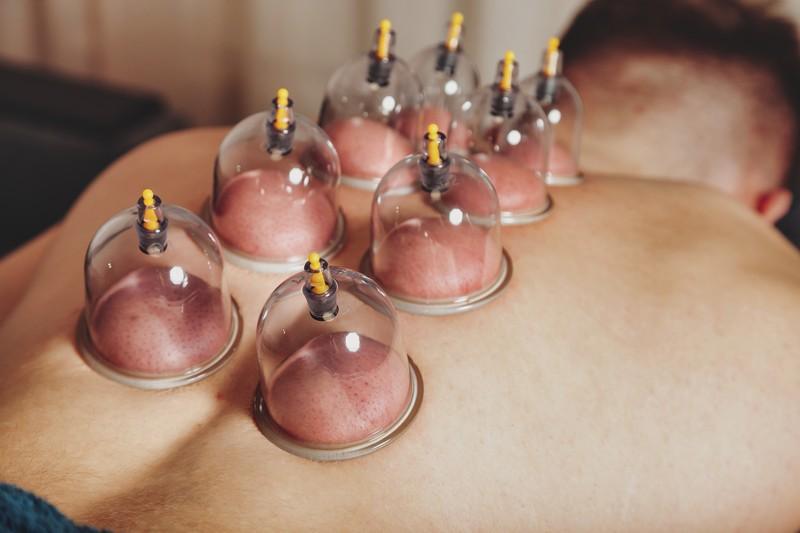
Cupping therapy uses cups placed on the skin to create suction. The suction gently lifts the skin and underlying tissue into the cup.
Traditional forms of cupping have roots in several cultures, including traditional Chinese medicine. Modern practitioners may use cupping based on its potential effects on local circulation, muscle tension, and connective tissue.
The treatment is commonly applied to areas such as the back, shoulders, neck, and legs. The exact placement depends on your symptoms and treatment goals.
Cupping can leave temporary circular marks on the skin. These marks usually fade with time and are a normal effect of the suction.
How Does Cupping Therapy Work?
During a cupping session, suction is created inside a cup before or after it is placed on the skin. This draws the skin and superficial tissue upward.
The mechanical effect of the suction may increase local blood flow and create a stretching sensation in the underlying tissue. Cupping may also help reduce the feeling of tightness in muscles and fascia.
From a modern clinical perspective, researchers continue to study how cupping may influence pain perception, circulation, inflammation, and soft tissue function. Results can vary depending on the condition being treated and the individual.
We consider cupping one possible component of a broader care plan rather than a standalone solution for every type of pain.
What Are the Benefits of Cupping Therapy?
The potential benefits of cupping therapy can make it a useful addition to care for certain musculoskeletal concerns.
May Help Reduce Muscle Tension
Tight muscles can contribute to soreness, stiffness, and restricted movement. The lifting effect created by the cups may help relax targeted areas and reduce the sensation of tension.
This can be particularly useful when tight muscles are contributing to discomfort in the back, shoulders, neck, or other areas.
May Support Pain Relief
Cupping may help some people manage localized muscle and soft tissue discomfort. The treatment creates a different sensory input in the treated area, which may influence how the body perceives pain.
Your response will depend on the source of your discomfort and other factors affecting your condition.
May Improve Local Circulation
The suction created by cupping draws blood toward the treated area. Increased local circulation may bring oxygen and nutrients to tissues while supporting normal recovery processes.
This is one reason cupping is sometimes incorporated into recovery plans for active people experiencing muscle soreness or tightness.
May Support Mobility
Muscle tension can limit how comfortably you move. By addressing tight areas, cupping may help some patients move more freely.
We may combine cupping with mobility exercises, chiropractic care, or other therapies when appropriate.
May Support Athletic Recovery
Athletes place significant demands on their muscles and connective tissues. Cupping may be used as part of a recovery strategy when muscle soreness or tension develops after training or physical activity.
It should not replace appropriate rest, rehabilitation, strength training, or medical evaluation when an injury occurs.
Types of Cupping Therapy
Cupping can be performed using several techniques. The approach depends on the practitioner, treatment goals, and patient’s needs.
Dry Cupping
Dry cupping uses suction without making an incision in the skin. Cups are placed over selected areas and left in position for a period of time.
Modern practice may use mechanical suction devices instead of traditional heat-based methods.
Moving or Sliding Cupping
For this technique, a small amount of oil or another suitable medium may be applied to the skin. The practitioner then moves the cup across the treatment area.
This approach is often used over larger muscle groups, such as the back, to address areas of tension.
Air Cupping
Air cupping uses a handheld pump to create suction inside the cup. This allows the practitioner to control the level of suction without using heat.
Wet Cupping
Wet cupping involves creating small superficial skin openings before or after suction is applied. Because this technique involves blood exposure and additional risks, it requires appropriate clinical precautions.
The specific cupping method used should be determined by a qualified practitioner based on your needs.
What Should You Expect During a Cupping Session?
Your session begins with an assessment of your symptoms and treatment goals. We identify the areas that may benefit from cupping and determine whether the technique is appropriate for you.
During treatment, cups are placed on selected areas of your skin. You may feel pulling, pressure, or tightness as the suction develops.
Cupping should not feel excessively painful. Tell your practitioner if the sensation becomes uncomfortable so the suction can be adjusted.
After the cups are removed, you may notice temporary circular discoloration. Some people also experience mild tenderness in the treated area.
These effects generally fade over several days, although the exact duration can vary.
Is Cupping Therapy Safe?
Cupping is generally well tolerated when performed appropriately, but it can have side effects.
Temporary skin discoloration is one of the most common effects. Some people may also experience mild soreness, tenderness, irritation, or dizziness.
Wet cupping carries additional risks because it involves breaking the skin. Proper hygiene and appropriate precautions are especially important with this technique.
Cupping may not be suitable for everyone. Tell us about relevant medical conditions, medications, and other health concerns before treatment. People with certain bleeding or clotting problems, those taking blood-thinning medications, and people with damaged or infected skin may need to avoid cupping or receive clearance from an appropriate healthcare professional.
Cupping Therapy as Part of Chiropractic Care
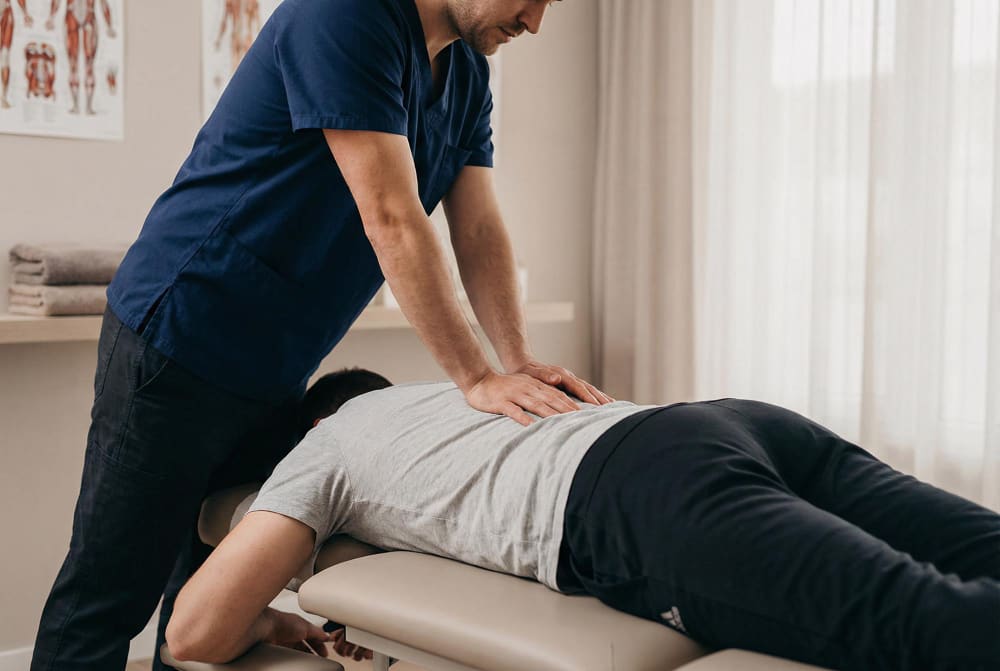
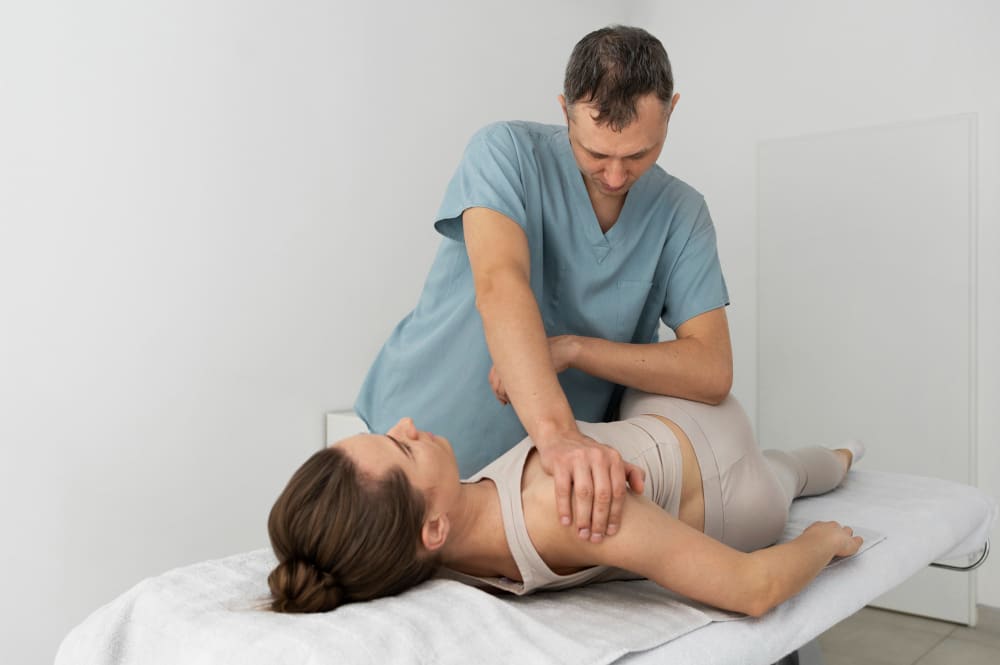
Cupping does not need to be used by itself. We may combine it with other approaches when they fit your condition.
A personalized care plan may include:
- Chiropractic adjustments
- Cupping therapy
- Soft tissue techniques
- Therapeutic exercises
- Sports rehabilitation
- Other appropriate pain management approaches
Each treatment addresses different aspects of movement and recovery. Combining therapies may help us create a more comprehensive plan based on your symptoms and goals.
Who May Benefit From Cupping Therapy?
Cupping may be considered for people experiencing certain types of muscle tension, soreness, and musculoskeletal discomfort.
It may be particularly useful as part of care for:
- Neck and shoulder tension
- Back discomfort
- Muscle tightness
- Exercise-related soreness
- Soft tissue tension
- Limited mobility associated with muscle tightness
However, the source of your pain matters. Cupping is not appropriate for every condition, and persistent or severe symptoms should be properly evaluated before treatment.
Cupping Therapy for Active Individuals
Training, sports, and physically demanding activities can place repeated stress on muscles and connective tissues.
When muscle tension develops, recovery can become more difficult. Cupping may be incorporated into a broader sports rehabilitation plan to address localized tightness and support comfortable movement.
We can also discuss exercise habits, mobility work, and other strategies that may complement your treatment.
Experience Personalized Cupping Therapy at Elite Spine & Health Center
You do not have to ignore persistent muscle tension or discomfort. At Elite Spine & Health Center, we use cupping therapy as one part of personalized care for patients in Houston and Spring.
Our team evaluates your symptoms and goals before recommending treatment. If cupping is appropriate, we can incorporate it into a broader plan focused on comfortable movement and recovery.
Ready to learn if cupping therapy is right for you? Contact Elite Spine & Health Center today to schedule an appointment at our Houston or Spring location.
Frequently Asked Questions About Cupping Therapy
Cupping usually creates a pulling or tight sensation rather than sharp pain. Some temporary tenderness may occur afterward. Tell your practitioner if the pressure feels uncomfortable.
Circular marks can remain for several days. The duration varies based on factors such as suction intensity, the treated area, and individual skin response.
Cupping may help some people with muscle tension and discomfort affecting the back and neck. We first evaluate your symptoms to determine whether it fits your care plan.
Yes. When appropriate, we may incorporate cupping with chiropractic adjustments, soft tissue work, rehabilitation exercises, and other therapies.
No. Certain health conditions, medications, and skin concerns can make cupping inappropriate. We review your relevant health information before recommending treatment.