
Quick Summary
Sciatica can cause sharp pain, numbness, or discomfort that travels from the lower back through the hip and leg. This article explains how a chiropractor for sciatica may use spinal adjustments, massage, therapeutic modalities, stretching, and ergonomic guidance to help manage symptoms. Treatment should be based on the underlying cause and severity of the condition. Persistent or worsening symptoms require professional evaluation, while certain symptoms need urgent medical attention. Elite Spine & Health Center offers chiropractic care and other non-invasive treatment options for people experiencing sciatica in the Houston area.
You feel the pain in your hip, your lower back, and even down your leg.
It’s sharp, like a needle, and you’re starting to feel numbness in your leg and foot. It gets worse at different times during the day, but icing and heat aren’t helping. What you do know is that it’s getting worse, and you’re not sure how to deal with it.
You actually may have sciatica, a common, but treatable condition. Before you pop a pill or assume you need surgery, consider seeing a chiropractor for sciatica. A chiropractor can evaluate your symptoms and determine whether chiropractic care may be appropriate for your condition.
Read on for five reasons why chiropractic treatment may help manage sciatica symptoms.
What is Sciatica?
Sciatica is a painful condition in which the sciatic nerve is irritated or compressed, often causing symptoms that travel from the lower back through the hip and leg. It usually affects one side of the body, and the pain can range from irritating to debilitating. Sciatica can be caused by a herniated disc, or by other spinal dysfunctions, such as spinal stenosis.
Another possible cause is piriformis syndrome. The piriformis muscle connects your lower spine to your thigh bone. In this rare syndrome, your piriformis muscle involuntarily contracts or tightens symptoms similar to sciatica.
Sciatica is not necessarily an “old-folks” problem. The most common sciatica patient is between the ages of 30 and 50. Sciatica is also common in pregnant women, and people with a sedentary lifestyle.
Seeing a chiropractor for your sciatica can help you explore non-invasive treatment options based on the underlying cause of your symptoms.
Subluxation Technique
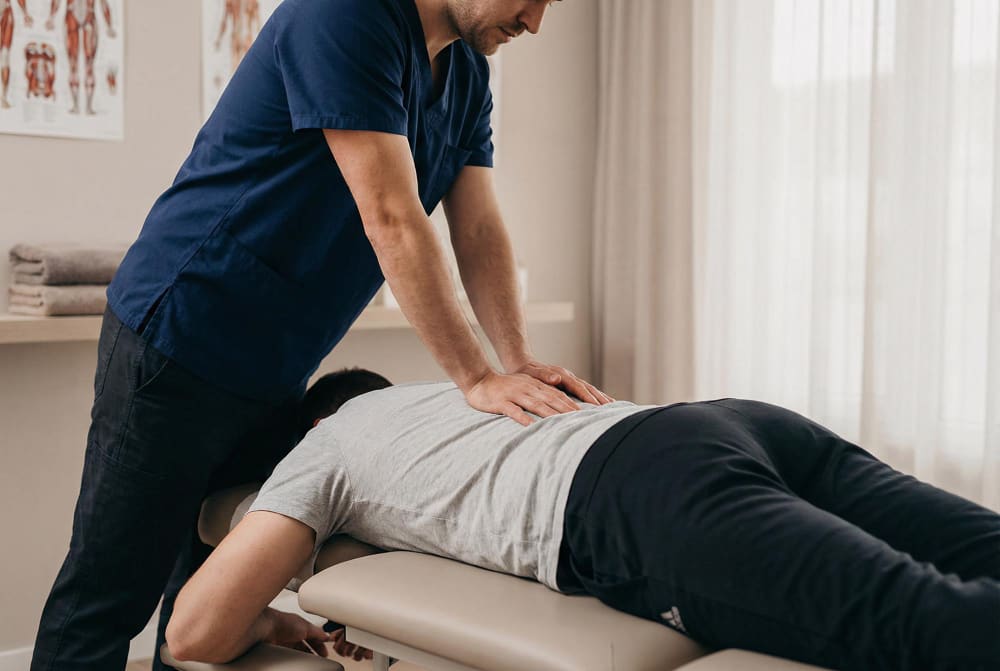
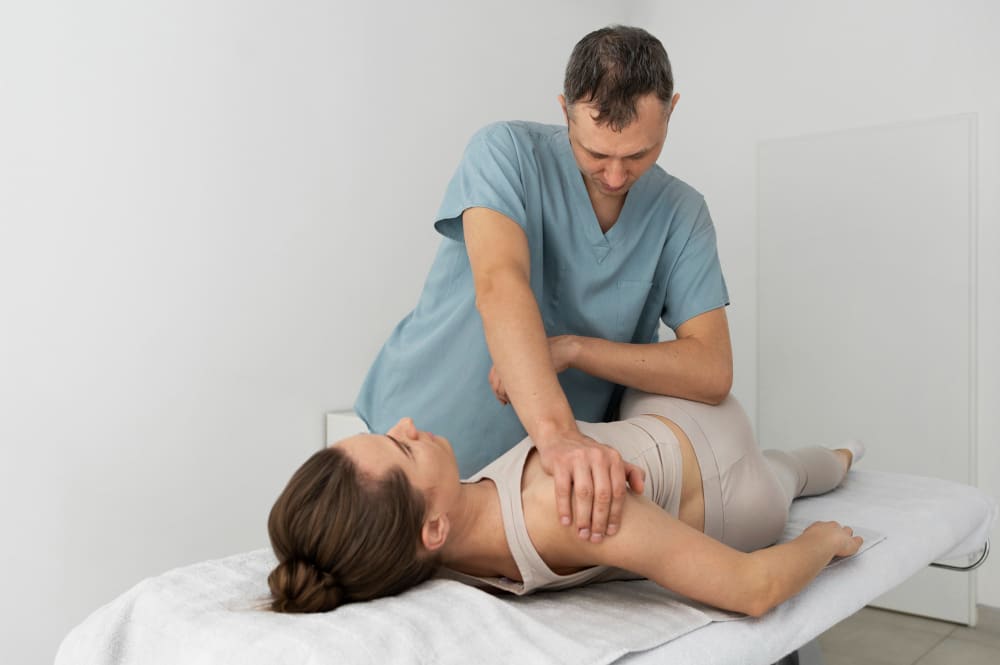
The subluxation technique is the main way chiropractors treat sciatica. The layman’s term for this treatment is spinal manipulation or spinal adjustment.
In this method, chiropractors use minimal force and gentle pressure to manipulate vertebra and joints. The motions used in an adjustment are swift and might seem scary at first. Treatment should be tailored to your condition, symptoms, and comfort level.
The goal of this type of therapy is to improve spinal movement and reduce mechanical stress around affected areas. This allows the muscles around the sciatic nerve to heal, while inflammation, pain, and numbness lessen.
Once your pain lessens, a chiropractor can use a mechanical traction table to help reduce pressure on the spine and improve mobility when appropriate. This treatment may help decompress areas of the spine and improve your range of motion.
Chiropractic Massage
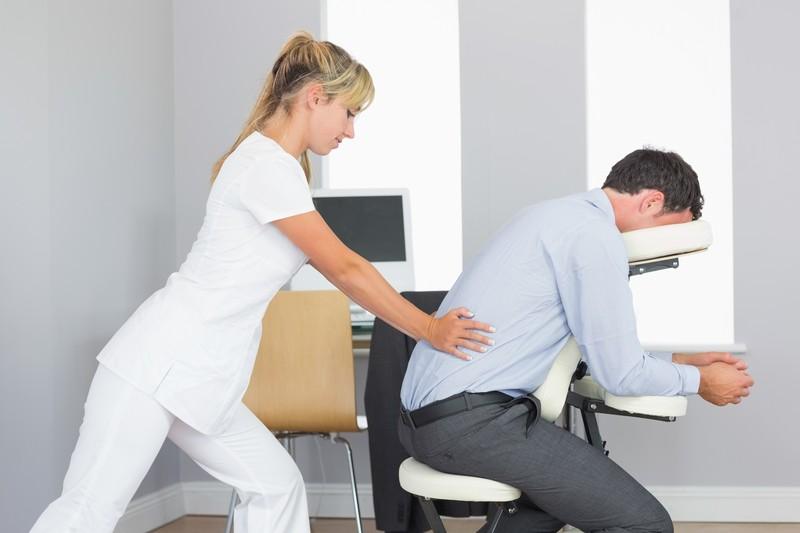
Chiropractors often work in tandem with chiropractic massage therapists. This type of massage is very different from a traditional spa massage.
A chiropractic massage focuses on the entire musculoskeletal system, including the spine. Chiropractic massage therapists have extensive training in anatomy and spinal health.
Spa therapists concentrate more on soft-tissue massage and total body relaxation. Massage may help address muscle tension, but it is not a substitute for medical evaluation when nerve symptoms are present.
Before an adjustment, a chiropractic massage therapist will apply gentle, yet direct pressure to your sore spots to loosen them up. A massage of this nature can help relax tight muscles and complement other aspects of a chiropractic care plan.
Chiropractic Modalities for Sciatica
Chiropractors have other types of healing modalities at their disposal that can help you with sciatica pain. Some of these include:
- Ultrasound: Uses sound waves via a wand to support circulation and address soft-tissue discomfort.
- Cold-Laser Therapy: Uses a type of laser to help manage inflammation and discomfort.
- TENS Device: This stands for “Transcutaneous Electrical Nerve Stimulation Device.” A TENS unit is a small tool that uses a tiny electric current to help manage pain and muscle discomfort.
- Hydrotherapy: Uses the gentle resistance of water to build and tone muscle. Water aerobics and swimming are types of hydrotherapy. Your chiropractor may have a hydrotherapy table on-site to use in your treatment.
- Ergonomics: Chiropractors can teach you how to correct your posture. A chiropractor can also help you add efficient, or “ergonomic” movement into your everyday activities. Learning to move better will help reduce unnecessary strain on your spine.
Other in-office treatments include heat and cold packs and gentle exercises. These modalities may complement chiropractic treatment and home-based care.
Personalized Stretching Program
Your chiropractor can give you a set of stretching exercises that will help strengthen the muscles in your back, hip, and buttock area. Gentle, restorative styles of yoga can help, as well as easy stretches you can do at home.
Your chiropractor will be able to show you how to stretch, and what types of stretches to avoid while recovering. The object of stretching is to keep muscles flexible and to support mobility while reducing unnecessary strain on the lower back. Stretching can build strength and better support from these muscles as well.
Gentle, targeted stretching may be an important part of the healing process. Make sure you stick to your stretching routine, as recommended by your healthcare professional, so your healing is long-term and complete.
No Drugs Needed
Over-the-counter pain killers are often used to relieve the pain of sciatica. In severe cases, you might need a prescription drug to dull the pain.
But, once you consult your chiropractor for treatment, you may have non-drug treatment options to discuss. Avoiding dependence on such drugs is one of the goals of chiropractic medicine.
While painkillers treat the main symptom of sciatica, that is, the pain, chiropractic care focuses on improving movement and addressing musculoskeletal factors that may contribute to your symptoms.
When Should You See a Chiropractor for Sciatica?
Consider speaking with a healthcare professional if sciatica symptoms persist, interfere with daily activities, or make it difficult to walk, sit, or sleep. A chiropractor can evaluate your symptoms and discuss appropriate treatment options.
Seek prompt medical attention for severe or worsening weakness, significant numbness, loss of bladder or bowel control, or numbness around the groin or inner thighs. These symptoms can indicate a more serious problem requiring urgent evaluation.
See a Chiropractor for Sciatica
When pain and numbness become too much, it is time to visit a chiropractor for sciatica. Through this type of treatment, your chiropractor can work with you to improve movement, manage symptoms, and develop an individualized care plan.
Chiropractic treatment usually takes place over several visits. The amount of visits depends on the severity and cause of your pain. Your treatment plan should be based on your symptoms, examination findings, and response to care.
If you live in the greater Houston area, contact us for an appointment to discuss how chiropractic care may help manage your sciatica symptoms.
Frequently Asked Questions About Chiropractic Care for Sciatica
A chiropractor may help some people manage sciatica symptoms through spinal manipulation, therapeutic exercises, stretching, and other conservative treatment approaches. The appropriate care depends on the cause and severity of your symptoms.
There is no set number of visits. Treatment frequency depends on your symptoms, underlying condition, response to care, and individual treatment plan.
Chiropractic care can be appropriate for some people with sciatica, but treatment should follow an individual evaluation. Your chiropractor can determine whether spinal manipulation or another approach is suitable for you.
Chiropractic care can offer non-drug treatment options for some people with sciatica. These may include spinal manipulation, therapeutic exercises, stretching, and other conservative therapies.
No. Many cases of sciatica can improve with conservative treatment. However, severe or persistent symptoms may require evaluation by another medical specialist to determine whether additional treatment is needed.