
Quick Summary
Runners place repeated demands on their feet, legs, hips, spine, and other parts of the body. Chiropractic care may help address certain mobility restrictions, movement concerns, muscle tension, and musculoskeletal pain. It can also complement recovery, rehabilitation, and healthy training habits. We work with runners at different experience levels and tailor care to their individual needs. Along with chiropractic care, runners should prioritize rest, strength training, mobility work, gradual training increases, proper footwear, and attention to persistent pain.
Running is one of the simplest ways to stay active, but it can place repeated stress on your muscles, joints, and spine. Every stride creates an impact that your body must absorb and manage.
Running is one of the simplest ways to stay active, but it can place repeated stress on your muscles, joints, and spine. For many runners, chiropractic care can be part of a broader approach to maintaining mobility, addressing certain musculoskeletal concerns, and supporting recovery.
Chiropractic care can be one part of a broader approach to maintaining mobility, addressing certain musculoskeletal concerns, and supporting recovery. We work with runners at different experience levels who want to stay active and take better care of their bodies.
How Running Affects the Body
Running offers many benefits. It can improve cardiovascular fitness, support healthy weight management, build endurance, and provide an effective way to relieve stress.
At the same time, repetitive running places demands on the feet, ankles, knees, hips, pelvis, and spine. Training volume, running surfaces, footwear, technique, and recovery habits can all influence how your body responds.
Runners may experience concerns such as runner’s knee, shin splints, plantar fasciitis, muscle strains, hip discomfort, lower back pain, or other overuse problems.
Poor posture or movement patterns may also contribute to discomfort. When one part of the body is not moving well, another area may compensate.
How Chiropractic Care Can Help Runners
1. Support Joint Mobility
Running requires coordinated movement throughout the body. Restricted movement in the spine, hips, pelvis, or extremities can affect running mechanics.
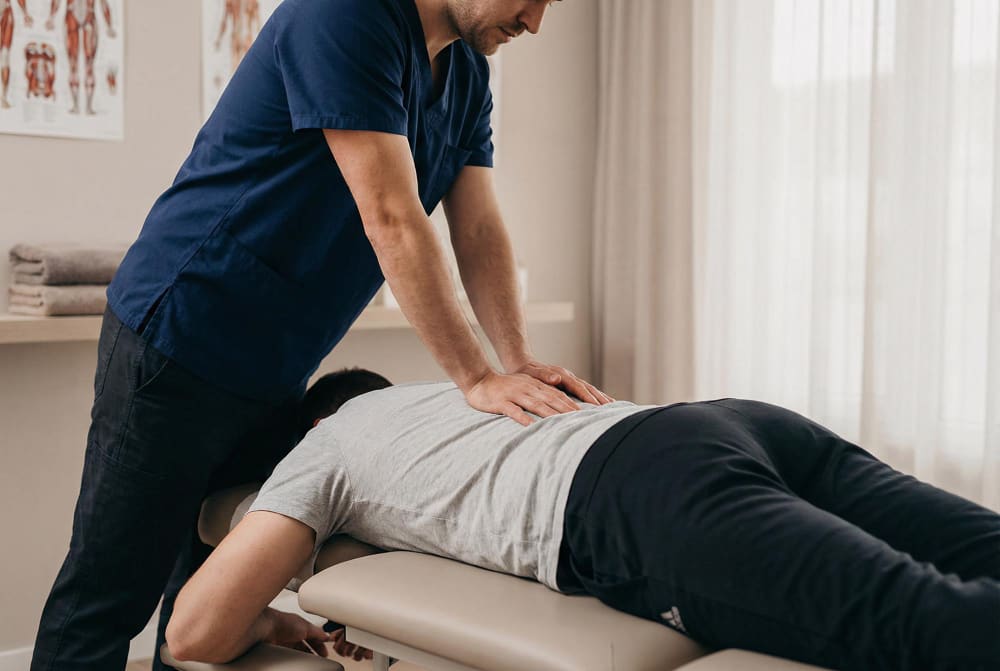
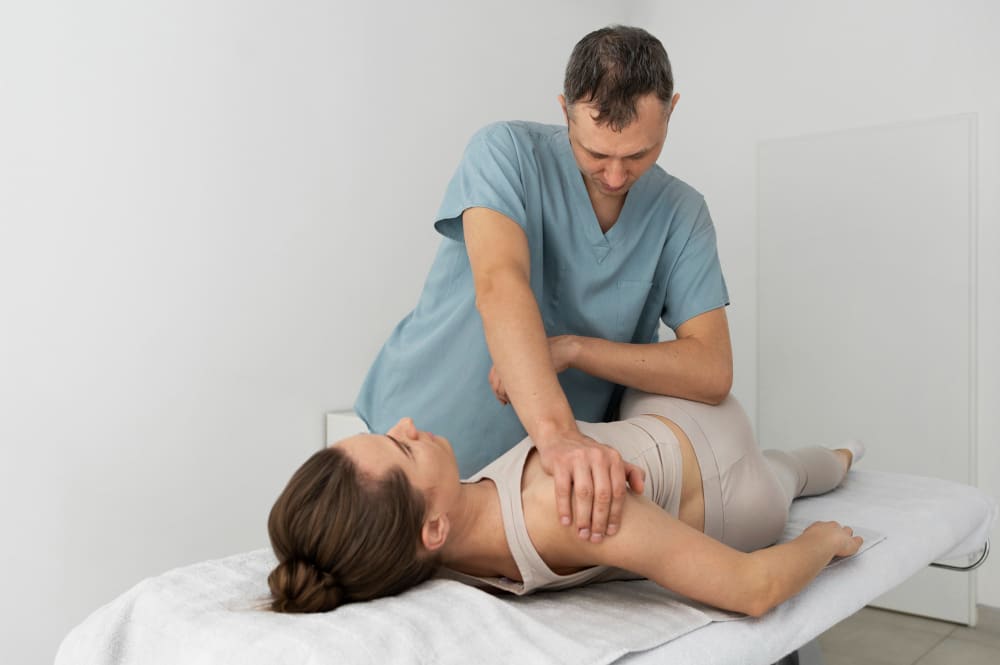
Chiropractic adjustments may help address certain joint restrictions and improve mobility. Better movement can make everyday activities and running more comfortable.
Our approach focuses on the areas that may be contributing to a runner’s concerns rather than automatically treating the same areas for everyone.
2. Improve Range of Motion
Flexibility and joint mobility can influence how efficiently you move.
Chiropractic care may help runners address certain restrictions that limit their range of motion. When joints and surrounding tissues move more freely, runners may find it easier to maintain comfortable movement during training.
Improving range of motion does not automatically make someone a faster runner. However, addressing mobility limitations can be useful when restricted movement is affecting training or contributing to discomfort.
3. Address Running-Related Pain
Running can lead to discomfort in many areas, including the knees, hips, feet, back, and shoulders.
Chiropractic care may be appropriate for certain musculoskeletal sources of pain. Depending on your needs, care may include adjustments, soft tissue techniques, mobility work, and rehabilitation exercises.
If pain is severe, persistent, or associated with significant trauma, an appropriate medical evaluation may be necessary before beginning treatment.
4. Support Recovery
Rest is an important part of any running program. Your body needs time to adapt to training and recover between demanding sessions.
Chiropractic care can be part of a recovery routine for runners dealing with certain muscle tension, joint restrictions, or movement concerns. We can also recommend exercises and strategies that complement your overall training and recovery plan.
Recovery should not mean ignoring pain. If a problem keeps returning, it is worth finding out why.
5. Help Address Movement Imbalances
Running is repetitive. Small differences in movement can become more noticeable as training volume increases.
A chiropractor can assess certain movement patterns and identify areas of restricted mobility or muscular tension. Addressing these concerns may help you move more comfortably and reduce unnecessary stress on certain areas.
Your running program, strength routine, footwear, recovery habits, and training volume also matter. Chiropractic care should be considered one part of the bigger picture.
6. Help Manage Existing Injuries
Running injuries should not be ignored. Continuing to train through pain can sometimes make a problem more difficult to manage.
Depending on the condition, chiropractic care and sports rehabilitation may help address certain musculoskeletal injuries while you work toward returning to your normal routine.
Our sports-focused approach can include mobility work, strengthening exercises, soft tissue techniques, and other appropriate treatments.
The goal is to help you progress through recovery rather than simply wait for symptoms to disappear.
7. Support Injury Prevention
No treatment can guarantee that a runner will avoid injury. However, taking care of your body can help you respond better to the physical demands of training.
Regular mobility work, strength training, appropriate footwear, gradual increases in mileage, rest days, and good running habits all matter.
Chiropractic care may complement these habits by addressing certain mobility restrictions and movement concerns.
Chiropractic Techniques That May Benefit Runners
Different runners have different needs. Depending on your condition, goals, and evaluation, we may use several techniques.
Spinal and Extremity Adjustments
Adjustments can be used to address certain restrictions in the spine and extremity joints. Improving joint movement may help support overall mobility.
Soft Tissue Techniques
Running can contribute to muscle tension and tightness. Soft tissue techniques can target areas of tension and help improve movement.
Instrument-assisted soft tissue mobilization may also be used in appropriate cases to address restricted soft tissues.
Mobility and Stretching
Mobility exercises and stretching can help runners maintain comfortable movement. These exercises can be incorporated into a broader training or recovery routine.
Rehabilitation Exercises
Strength and stability are important for runners. Rehabilitation exercises can target areas that need additional conditioning and help build better movement control.
What Runners Can Do Between Appointments
Chiropractic care works best when paired with healthy training habits.
Start by giving your body adequate recovery time. Avoid increasing mileage or intensity too quickly. Include strength and mobility work in your routine, and pay attention to how your body feels during and after training.
Good running posture can also help you maintain efficient movement. Keep your torso controlled and avoid unnecessary twisting while running.
Your core deserves attention, too. A strong core can help you maintain stability during repetitive movement.
Finally, make sure your running shoes are appropriate for your needs and replace worn footwear when necessary.
When Should a Runner See a Chiropractor?
You do not have to wait until you are seriously injured before seeking care.
A chiropractor may be worth considering if you experience persistent stiffness, recurring pain, restricted movement, or discomfort that affects your running form.
You may also want professional guidance when returning to running after an injury or when a recurring problem keeps interrupting your training.
The right approach depends on the cause of your symptoms. A proper evaluation can help determine whether chiropractic care, sports rehab, another form of care, or a combination of approaches is appropriate.
How We Help Runners Stay Active
We understand that runners want to keep moving. Whether you are preparing for your first 5K, training for a marathon, or simply running to stay active, physical problems can make your routine frustrating.
At Elite Spine & Health Center, we work with runners and other active individuals through chiropractic care and sports rehabilitation. Our team can assess your concerns and develop an approach based on your needs and activity goals.
Support Your Running Goals With Elite Spine & Health Center
Running should challenge you, not leave you constantly dealing with pain. At Elite Spine & Health Center, we work with runners and active individuals through chiropractic care and sports rehabilitation.
If discomfort, stiffness, or an injury is affecting your training, contact us today to schedule an appointment and learn how we can help you work toward better movement and recovery.
Frequently Asked Questions
Chiropractic care may benefit runners dealing with certain musculoskeletal concerns, mobility restrictions, or running-related pain. It can also complement an overall recovery and training routine.
Chiropractic care may help address certain movement restrictions or musculoskeletal factors associated with knee discomfort. A proper evaluation is important because knee pain can have many possible causes.
You do not need to have an injury to discuss chiropractic care. Runners may seek care for mobility concerns, recurring stiffness, or help managing physical demands during training.
There is no single schedule that works for every runner. Visit frequency depends on your symptoms, activity level, goals, and response to care.
Chiropractic care does not automatically make someone faster. However, addressing certain mobility restrictions or movement concerns may help some runners move more comfortably and efficiently.