
Numbness, tingling, burning, or weakness in your feet or hands can make daily tasks harder and less steady. These symptoms often point to peripheral neuropathy, which affects nerves outside the brain and spinal cord. You want clear answers and a plan that helps you move with confidence again. At Elite Spine & Health Center in Houston (Westchase) and Spring (Champion Forest) we help patients identify what is driving their nerve changes and what can be improved. Schedule your neuropathy evaluation.
Neuropathy Specialist in Houston & Spring, TX
Peripheral neuropathy is nerve damage outside the brain and spinal cord. Depending on which nerves are affected (sensory, motor, or autonomic), you might notice pain, tingling, numbness, weakness, balance problems, or changes in sweating or blood pressure. Common contributors include diabetes, vitamin deficiencies, certain medications, infections, injuries, and prolonged pressure on nerves.
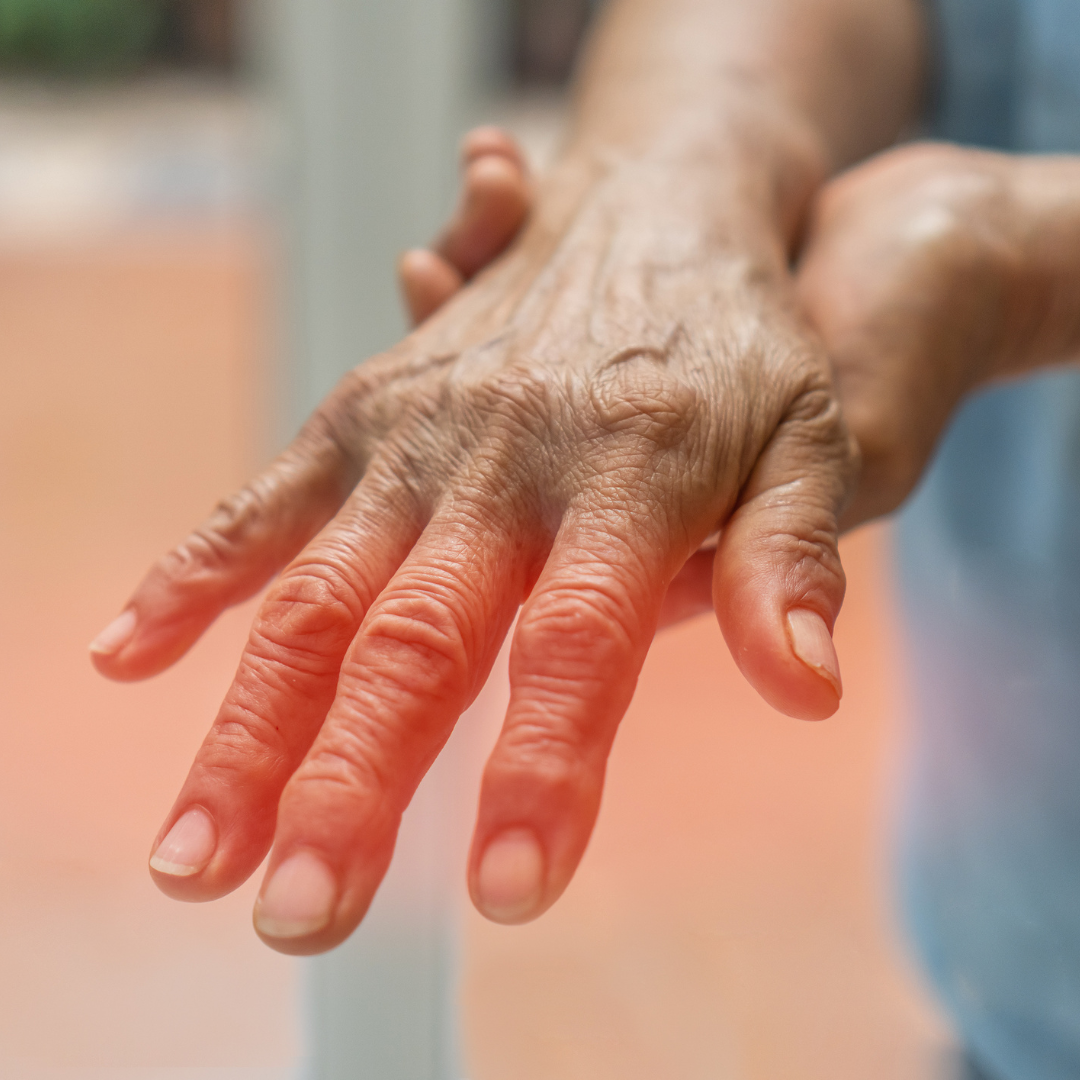
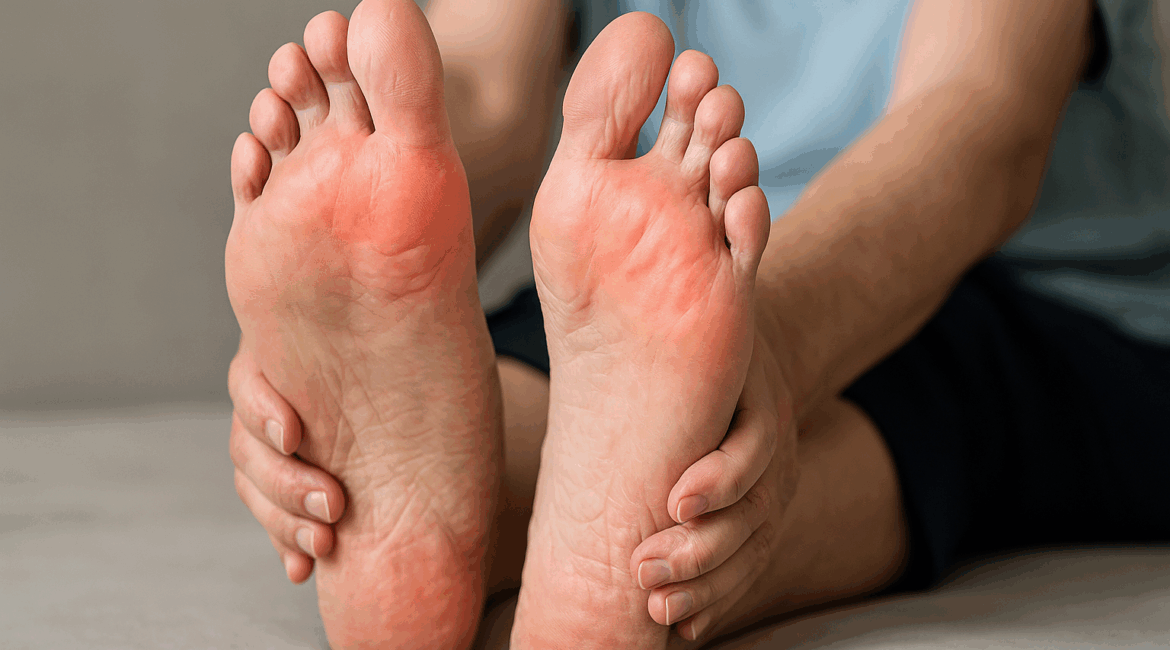
Common Symptoms
- Burning or tingling in feet or hands
- Numbness or loss of feeling
- Electric or stabbing pain
- Sensation of wearing socks or gloves that are not there
- Difficulty walking or balancing
- Weakness in legs or feet
- Increased pain at night
- Loss of temperature sensitivity
These symptoms often progress without targeted care. Early intervention helps protect nerve function.
Common causes & risk factors

At Elite Spine & Health Center, neuropathy evaluations and treatment plans may include a combination of noninvasive therapies designed to address mobility limitations, soft tissue tension, circulation, and musculoskeletal dysfunction associated with chronic nerve-related symptoms. Depending on your condition and clinical findings, your care plan may incorporate therapies such as Class IV Laser Therapy, Chiropractic Adjustments, Dry Needling, and Myofascial Release.
These therapies are often used together to help improve mobility, reduce muscle tension, support movement, and address soft tissue restrictions that may contribute to discomfort and functional limitations. Treatment recommendations are individualized based on each patient’s symptoms, medical history, and recovery goals.

When to Get Evaluated
A neuropathy evaluation helps when you experience: Earlier evaluation leads to better outcomes.
How We Evaluate Neuropathy at Elite Spine
At our Westchase Houston or Spring location we start by reviewing your symptoms, health history, medications, work demands and past injuries. Then we move into focused testing:
- Sensory testing to check vibration, light touch and temperature
- Reflex and strength checks to see how nerves are firing
- Foot and ankle circulation review
- Gait and balance assessment
- When needed we coordinate EMG, nerve conduction tests or imaging to identify nerve irritation or compression
Our goal is to find the source of your nerve pain, protect nerve function and help you regain steady movement without flare ups.

Neuropathy is a condition marked by pain, tingling, numbness, and weakness, typically affecting the hands and feet.
It results from damage to the peripheral nerves, which can be caused by factors such as diabetes, injuries, infections, and certain medications. Unlike the central nervous system, which includes the brain and spinal cord, the peripheral nervous system transmits signals between the central nervous system and the rest of the body.
Symptoms of neuropathy can range from mild to severe and may impact your daily activities. If you experience persistent or worsening symptoms, it’s important to seek professional care. The team at Elite Spine and Health Center is equipped to diagnose and provide effective treatment for neuropathy, helping you manage your condition and improve your quality of life.
Neuropathy can present a variety of symptoms, depending on the nerves affected. Common signs include:
- Tingling and Numbness: Often the earliest symptoms, they usually start in the hands or feet and can spread to other parts of the body.
Sharp, Jabbing, or Burning Pain: These sensations can be severe and may worsen at night. - Sensitivity to Touch: Even light pressure can feel uncomfortable or painful.
- Muscle Weakness: Affected muscles may feel weak or paralyzed.
- Problems with Coordination: Neuropathy can affect your balance and coordination, increasing the risk of falls.
- Changes in Blood Pressure: Leading to dizziness or lightheadedness.
- Bowel or Bladder Problems: In some cases, neuropathy affects autonomic nerves, leading to issues like incontinence or constipation.
These symptoms can impact daily life significantly. If you notice these signs, especially persistently or worsening, it’s crucial to consult healthcare professionals like those at Elite Spine and Health Center for a comprehensive evaluation and tailored treatment plan.
Several factors can increase the risk of developing neuropathy. These include:
- Diabetes: Especially if blood sugar levels are not well-controlled, neuropathy is a common complication.
- Vitamin Deficiencies: Particularly deficiencies in B vitamins, which are crucial for nerve health.
- Alcohol Abuse: Excessive alcohol consumption can lead to nerve damage and neuropathy.
- Autoimmune Diseases: Conditions like lupus, rheumatoid arthritis, and Sjögren’s syndrome can lead to peripheral neuropathy.
- Infections: Certain viral or bacterial infections, such as Lyme disease, shingles, or hepatitis C, can affect nerve health.
- Exposure to Toxins: Exposure to heavy metals or chemicals can cause nerve damage.
- Family History: A family history of neuropathy increases the likelihood of developing the condition.
- Age: The risk increases with age, especially over 60.
- Certain Medications: Some medications, particularly those used for chemotherapy, can affect nerve health.
Understanding these risk factors can help in early detection and management of neuropathy. If you’re concerned about your risk, the team at Elite Spine and Health Center can provide guidance and preventive strategies.
To diagnose neuropathy, your healthcare provider at Elite Spine and Health Center will first review your medical history and inquire about your symptoms, such as their onset, nature, and any potential triggers or aggravating factors.
During a physical examination, your provider will assess your nerve function by testing your tendon reflexes, muscle strength, and ability to feel various sensations. They may also check for changes in blood pressure and heart rate.
Neuropathy can result from various underlying conditions, so your provider may perform additional tests to identify the root cause. These might include blood tests to check for diabetes, vitamin deficiencies, liver or kidney dysfunction, and signs of autoimmune diseases.
In some cases, more specific tests like nerve conduction studies, electromyography (EMG), or nerve biopsy may be recommended to analyze nerve function and structure.
If your symptoms suggest a particular type of neuropathy or an underlying condition, your provider might also order diagnostic imaging tests, such as X-rays, MRIs, or CT scans, to further investigate the cause.
The treatment of neuropathy at Elite Spine and Health Center is tailored to each individual, considering factors like the severity of symptoms, overall health, and underlying causes. The team may suggest a variety of therapies, including:
- Nerve Function Improvement Techniques: Utilizing chiropractic adjustments to enhance nerve communication.
- Nutritional Counseling: Addressing deficiencies or dietary factors that could be contributing to neuropathy.
- Lifestyle Modifications: Providing guidance on exercise, activities, and habits to manage symptoms and prevent the condition’s progression.
- Physical Therapy: Aiming to strengthen muscles, improve coordination, and reduce discomfort.
- Pain Management Strategies: Employing safe, non-invasive methods for pain relief.
- Alternative Therapies: Such as acupuncture or dry needling, which may help relieve neuropathy symptoms.
- Advanced Therapies: Depending on the cause, options like electrical nerve stimulation or laser therapy might be considered.
- The primary objective of these treatments is to reduce pain, enhance functional capabilities, and improve the overall quality of life for neuropathy patients.
To discuss these treatment options and find what’s best for your neuropathy, book an appointment with the team at Elite Spine and Health Center. You can schedule online or call the nearest office for a consultation.

We Believe in a Personalized Chiropractic Solution.
Houston – Westchase: 2901 Wilcrest Dr, Suite 140, Houston, TX 77042 • Call: (832) 925‑6004
Spring – Champion Forest: 18425 Champion Forest Dr, Suite 200, Spring, TX 77379 • Call: (346) 808‑8338
Prefer online? Use the Contact/Book page to request an appointment.