Relieve Pain and Restore Mobility with a Graston Technique Specialist
Chronic pain and limited mobility can affect every aspect of life, from work productivity to daily activities and overall quality of life. Whether your discomfort stems from an injury, repetitive strain, or long-term musculoskeletal conditions, finding a treatment that addresses the root cause is crucial.
One such effective solution is the Graston Technique, a specialized form of manual therapy designed to alleviate pain, restore mobility, and accelerate healing. Unlike conventional treatments, the Graston Technique uses unique instruments to detect and treat soft tissue restrictions, adhesions, and scar tissue that often prevent full recovery.
At Elite Spine & Health Center in Spring, TX, our certified Graston Technique specialists combine expertise with personalized care to help patients regain function and improve quality of life. This comprehensive guide will explore everything you need to know about the Graston Technique, its benefits, common conditions it treats, and why seeking treatment from a certified specialist can make all the difference.
What is the Graston Technique?
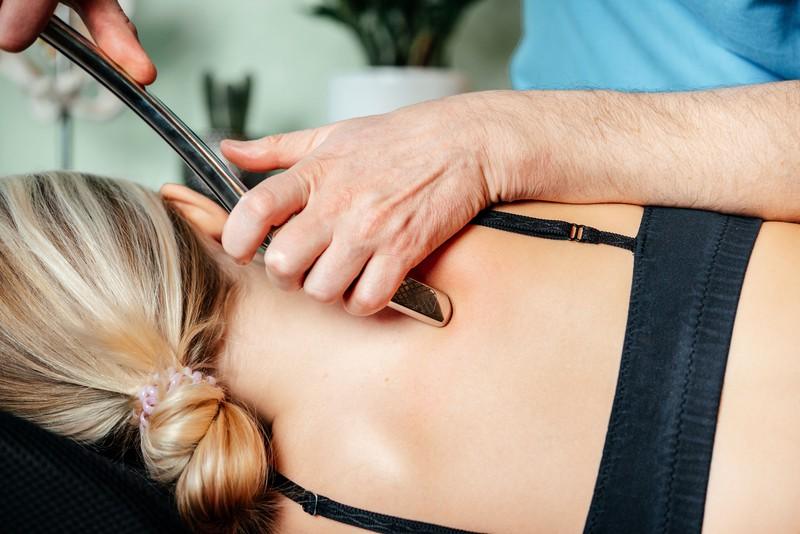
The Graston Technique is a form of instrument-assisted soft tissue mobilization (IASTM). It involves using specially designed stainless steel instruments to detect and treat soft tissue restrictions in muscles, tendons, ligaments, and fascia.
Unlike traditional massage or hands-only physical therapy, these instruments allow practitioners to locate problem areas with precision, providing more effective treatment. By “scraping” the affected tissue in a controlled manner, the Graston Technique breaks down scar tissue, stimulates blood flow, and triggers the body’s natural healing response.
The technique is particularly beneficial for patients dealing with chronic pain, restricted movement, or post-surgical adhesions. It’s widely used in both rehabilitation and performance enhancement settings, making it suitable for athletes, office workers, seniors, and anyone experiencing soft tissue injuries.
How Does the Graston Technique Work?
The Graston Technique is an instrument-assisted soft tissue mobilization method that helps therapists identify and treat subtle abnormalities in muscles, tendons, and fascia. Using specially designed stainless steel instruments, therapists glide over the skin to detect adhesions, scar tissue, or restrictions that may not be felt through standard palpation. Once identified, the instruments are used to break down these restrictions, promoting tissue healing, increasing blood flow, and improving range of motion. Treatments are typically combined with stretching and strengthening exercises for optimal results. The technique is effective for chronic injuries, post-surgical rehabilitation, and repetitive strain conditions, supporting faster recovery and enhanced mobility.
-
Assessment: The specialist conducts a thorough evaluation of your affected area to identify soft tissue restrictions, adhesions, or scar tissue that may be causing pain or limiting mobility.
-
Treatment: Using Graston tools, precise pressure is applied along the restricted tissues. The instruments provide tactile feedback that hands alone cannot achieve, allowing the therapist to work deeply without causing unnecessary discomfort.
-
Stimulation: The treatment triggers a controlled inflammatory response, increasing circulation and initiating tissue remodeling.
-
Rehabilitation: After each session, patients are guided through stretching and strengthening exercises to reinforce tissue recovery and prevent re-injury.
By targeting the underlying cause of pain rather than simply masking symptoms, patients often experience faster recovery, improved flexibility, and enhanced function.
The Science Behind the Graston Technique
The effectiveness of the Graston Technique lies in its ability to stimulate tissue healing at a cellular level. Scar tissue and adhesions form when soft tissue is damaged and the body heals in a less organized manner. These irregular fibers can restrict movement, cause pain, and reduce blood flow.
Graston tools are designed to apply controlled microtrauma to these tissues. This controlled stimulation initiates the body’s natural inflammatory process, which:
-
Increases blood flow to the affected area
-
Promotes collagen realignment
-
Reduces pain by improving tissue elasticity
-
Encourages proper tissue remodeling
Studies have shown that IASTM techniques like the Graston Technique can improve range of motion, reduce pain, and accelerate recovery in patients with chronic musculoskeletal conditions, tendonitis, and post-surgical adhesions.
Conditions Treated with the Graston Technique
The Graston Technique is a versatile and highly effective therapy used to treat a wide range of musculoskeletal conditions. It is particularly beneficial for chronic pain, repetitive strain injuries, tendonitis, carpal tunnel syndrome, plantar fasciitis, and muscle tightness. By using specialized stainless steel instruments, therapists can detect and address soft tissue restrictions, scar tissue, and adhesions that limit mobility and cause discomfort. The technique promotes faster healing by increasing blood flow, reducing inflammation, and improving tissue flexibility. Often combined with stretching, strengthening, and rehabilitation exercises, the Graston Technique supports long-term recovery, enhanced range of motion, and overall improved physical performance.
-
Tendonitis: Achilles tendonitis, patellar tendonitis, tennis elbow, and golfer’s elbow
-
Plantar Fasciitis: Heel pain and arch inflammation caused by tissue restrictions
-
Carpal Tunnel Syndrome: Releasing adhesions in the wrist to reduce nerve compression
-
Chronic Back and Neck Pain: Addressing soft tissue dysfunction contributing to spinal discomfort
-
Sciatica: Reducing tension in surrounding muscles to alleviate nerve pain
-
Muscle Strains and Sprains: Accelerating healing in soft tissue injuries
-
Fibromyalgia: Reducing widespread muscular tension and pain
-
Post-Surgical Scars and Adhesions: Improving tissue mobility after surgery
Regardless of whether your pain is acute or chronic, the Graston Technique can target restricted tissue, reduce discomfort, and restore function.
Benefits of the Graston Technique
-
Pain Relief: By breaking down scar tissue and adhesions, the Graston Technique reduces pain and promotes healing.
-
Improved Mobility: Scar tissue and soft tissue restrictions can limit movement; this therapy helps restore flexibility.
-
Accelerated Healing: Stimulating blood flow and tissue repair supports faster recovery for injuries.
-
Non-invasive: Unlike surgery or injections, this technique is minimally invasive and safe.
-
Enhanced Performance: Athletes and active individuals can regain strength, flexibility, and function more efficiently.
-
Targeted Treatment: Graston tools allow therapists to work precisely on problem areas that traditional therapy might miss.
-
Long-term Results: By addressing the root cause of pain, the therapy provides lasting relief rather than temporary symptom masking.
Many patients notice improvement within a few sessions, and results are amplified when combined with appropriate exercises and lifestyle modifications.
What to Expect During a Graston Technique Session
A typical session at Elite Spine & Health Center lasts between 20 and 45 minutes and is designed to provide personalized, effective care. Each session begins with a thorough assessment, where the therapist evaluates your posture, movement patterns, and any areas of discomfort or restriction. This is followed by targeted treatments, which may include instrument-assisted soft tissue mobilization, manual therapy, stretching, and strengthening exercises tailored to your specific needs. Therapists may also provide guidance on posture correction, ergonomic adjustments, and home exercises to support recovery. The goal is to reduce pain, improve mobility, and promote long-term musculoskeletal health.
-
Initial Consultation: Discussion of your symptoms, medical history, and goals.
-
Customized Treatment Plan: Personalized therapy plan based on your condition and recovery needs.
-
Instrument-Assisted Therapy: Application of Graston tools along the affected areas.
-
Post-Treatment Guidance: Stretching, strengthening exercises, and lifestyle recommendations to support healing.
Some mild soreness, redness, or bruising may occur after treatment, which is normal and usually resolves within 24–48 hours. Your specialist will monitor your progress and adjust treatment as needed.
Graston Technique vs. Traditional Physical Therapy
While traditional physical therapy emphasizes stretching, strengthening, and hands-on mobilization, the Graston Technique provides unique advantages that enhance recovery. Using specialized stainless steel instruments, therapists can detect and treat soft tissue restrictions, adhesions, and scar tissue that may be difficult to address with manual therapy alone. This targeted approach promotes faster healing, reduces inflammation, and increases blood flow to affected areas. Additionally, the technique improves tissue flexibility and range of motion more efficiently. Often combined with conventional therapy exercises, the Graston Technique accelerates rehabilitation, helps prevent future injuries, and supports long-term musculoskeletal health, making it an effective complement to standard physical therapy.
-
Precision: Instruments allow therapists to locate and treat scar tissue more accurately.
-
Efficiency: Some patients experience faster results compared to conventional methods.
-
Versatility: Effective for both soft tissue injuries and chronic conditions.
-
Complementary: Often used in conjunction with physical therapy exercises for optimal results.
Combining Graston treatment with traditional rehabilitation can accelerate recovery, improve function, and reduce the risk of re-injury.
Success Stories from Real Patients
Athlete Recovery
A local soccer player had chronic hamstring pain that limited performance. After just four Graston Technique sessions, he reported reduced pain, improved flexibility, and returned to full training within weeks.
Post-Surgical Adhesion Treatment
A patient recovering from shoulder surgery struggled with limited range of motion. Graston therapy helped break down scar tissue, restoring movement and reducing discomfort over six sessions.
Chronic Back Pain Relief
A long-time office worker experienced persistent lower back pain due to muscle tightness and adhesions. After a series of Graston Technique sessions, she noticed improved posture, reduced pain, and increased daily comfort.
These examples demonstrate how the technique can benefit a wide variety of patients, from athletes to those dealing with chronic conditions.
Aftercare and Home Exercises
To maximize the benefits of Graston Technique therapy, patients are often advised to follow a comprehensive approach that supports healing and recovery. This includes performing recommended stretching and strengthening exercises at home to maintain tissue flexibility and improve muscle balance. Staying properly hydrated and maintaining good nutrition helps support tissue repair and overall health. Patients may also be encouraged to apply ice or heat as directed to manage inflammation and soreness. Consistently attending scheduled sessions ensures progressive improvement, while practicing proper posture and ergonomics can prevent further strain. Combining these strategies with Graston therapy promotes faster recovery, lasting relief, and optimal function.
-
Stretch Regularly: Gentle stretching of treated muscles supports tissue mobility.
-
Use Heat or Ice: Ice can reduce post-treatment inflammation, while heat can relax tight muscles.
-
Stay Active: Low-impact activities like walking or swimming promote circulation and healing.
-
Hydrate: Proper hydration supports tissue recovery.
-
Follow Specialist Recommendations: Adhering to your customized exercise plan ensures long-term results.
Following these steps enhances recovery and helps prevent future injuries or tissue restrictions.
Frequently Asked Questions (FAQs)
1. Is the Graston Technique painful?
Patients may feel mild discomfort or a scraping sensation during treatment. Soreness or redness is common but typically resolves within 24–48 hours.
2. How many sessions are needed?
The number of sessions varies depending on the condition and severity. Many patients notice improvement after 2–4 sessions, while chronic conditions may require ongoing treatment.
3. Who can benefit from the Graston Technique?
Athletes, office workers, seniors, and anyone experiencing musculoskeletal pain or restricted mobility can benefit.
4. Are there any side effects?
Minor bruising or redness may occur. Serious side effects are rare. Your specialist will assess whether this therapy is appropriate for you.
5. Is it covered by insurance?
Coverage varies depending on your provider. Elite Spine & Health Center can assist with insurance inquiries.
6. Can it be combined with other therapies?
Yes. Graston Technique often complements physical therapy, chiropractic care, and rehabilitation exercises for optimal outcomes.
Conclusion
Chronic pain, stiffness, and limited mobility can greatly affect your daily life, making simple tasks challenging and reducing overall quality of life. The Graston Technique offers a safe, non-invasive approach that targets the root causes of discomfort. Using specialized stainless steel instruments, trained therapists detect and break down scar tissue and adhesions, promote circulation, and restore tissue flexibility. This focused treatment not only reduces pain but also improves function, range of motion, and long-term musculoskeletal health.
At Elite Spine & Health Center in Spring, TX, our certified Graston Technique specialists provide personalized care tailored to each patient’s specific needs. Treatments are designed to complement your overall rehabilitation plan, whether you are recovering from an injury, managing a chronic condition, or striving to improve athletic performance. With consistent application, the Graston Technique helps restore mobility, enhance physical performance, and support a pain-free, active lifestyle. Experience lasting relief and improved quality of life with expert, targeted care.
Don’t let pain control your life. Schedule a consultation with a Graston Technique specialist today and take the first step toward regaining mobility and living comfortably.
📍 Address: Elite Spine & Health Center – Spring
18425 Champion Forest Dr, Suite 200, Spring, TX 77379
Located on the 2nd floor, behind Bank of America MapQuest
📞 Phone Number: 346-808-8338
🌐 Website: https://elitespinehouston.com/