Instrument-Assisted Healing: Restoring Mobility by Remodeling Soft Tissue
What is Instrument Assisted Soft Tissue Mobilization (IASTM)
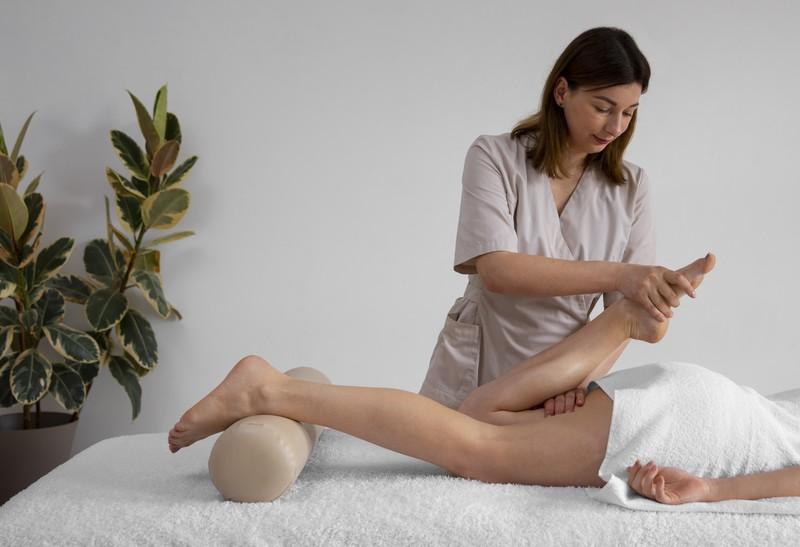 Pain, stiffness, restricted movement, and recurring injuries often develop from issues deeper than the surface—within the body’s soft tissues. Muscles, fascia, tendons, and ligaments are essential for supporting movement, flexibility, and stability. When these tissues are affected by repetitive strain, sports injuries, poor posture, surgical recovery, or chronic inflammation, scar tissue and adhesions can form. These restrictions may reduce tissue elasticity, impair circulation, and interfere with normal movement patterns. Over time, this dysfunction can contribute to chronic discomfort, limited mobility, muscular imbalance, and decreased physical performance.
Instrument-Assisted Soft Tissue Mobilization (IASTM), commonly associated with therapies like Graston®, is an advanced treatment approach designed to identify and address these soft tissue restrictions. Using specialized instruments, providers can target scar tissue, fascial adhesions, and dysfunctional tissue more precisely than manual therapy alone. This process may help stimulate circulation, encourage collagen remodeling, reduce pain, and improve range of motion.
At Elite Spine & Health Center, instrument-assisted healing is integrated into a comprehensive care model focused on restoring mobility and enhancing whole-body performance. Their services include Graston, chiropractic care, myofascial release, spinal decompression, sports rehabilitation, dry needling, cupping, shockwave therapy, and Class IV laser therapy. By combining soft tissue remodeling with structural alignment and rehabilitative strategies, patients may experience more complete recovery and improved function.
For individuals struggling with chronic pain, athletic injuries, or mobility limitations, instrument-assisted healing offers more than temporary symptom relief. By addressing the quality and function of soft tissue directly, this therapy may help support lasting recovery, better movement efficiency, and long-term musculoskeletal wellness.
Understanding Soft Tissue Dysfunction: Why Mobility Declines
Soft tissue plays a vital role in how the body moves, stabilizes, and recovers. These tissues work together to support joints, absorb physical stress, and allow smooth, coordinated movement throughout daily life and physical activity. When soft tissue health declines, mobility often becomes restricted, pain may increase, and normal biomechanics can be disrupted.
Soft tissue includes:
Muscles – Responsible for generating movement, supporting posture, and stabilizing the body during activity.
Fascia (connective tissue surrounding muscles) – A web-like connective tissue that surrounds and supports muscles, nerves, and organs while helping tissues glide smoothly.
Tendons – Connect muscles to bones, allowing force to transfer efficiently for movement.
Ligaments – Connect bones to other bones, helping stabilize joints and control motion.
When these structures become damaged, inflamed, or restricted, overall movement quality may decline.
These structures can become dysfunctional through:
1. Microtrauma
Repeated physical stress from sports, work tasks, exercise, or repetitive daily movement can create tiny injuries in soft tissue over time. Without proper recovery, these small stresses may accumulate and contribute to chronic tightness or irritation.
2. Scar Tissue Formation
After injury, surgery, or repetitive strain, collagen fibers may heal in an irregular pattern. This can lead to scar tissue or adhesions that restrict flexibility, reduce mobility, and alter normal movement.
3. Inflammation
Persistent inflammation from overuse or injury can thicken fascia, reduce circulation, and limit how well tissues glide against one another.
4. Sedentary Lifestyle
Prolonged sitting and inactivity may decrease circulation, reduce tissue elasticity, and contribute to stiffness.
5. Compensation Patterns
When one area becomes painful or weak, the body often compensates by overusing other muscles or joints, potentially creating secondary dysfunction elsewhere.
Common Symptoms of Soft Tissue Restriction
Patients may experience:
– Tightness or stiffness
– Pain with movement
– Limited range of motion
– Chronic tension
– Reduced athletic performance
– Trigger points
– Tendon irritation
– Neck pain
– Back pain
– Shoulder dysfunction
– Plantar fasciitis
– Tennis elbow
– IT band syndrome
Without addressing underlying tissue restrictions, symptoms may repeatedly return.
What Is Instrument-Assisted Soft Tissue Mobilization (IASTM)?
Instrument-Assisted Soft Tissue Mobilization (IASTM) is an advanced manual therapy technique designed to evaluate and treat soft tissue dysfunction using specially crafted ergonomic instruments. These tools are commonly made from stainless steel or other durable medical-grade materials and are designed to glide over the skin to detect and address restrictions within muscles, fascia, tendons, and ligaments. By using these instruments, providers can often identify areas of scar tissue, adhesions, or fascial tightness that may not be as easily detected through hands alone.
IASTM is commonly used in chiropractic care, sports rehabilitation, physical therapy, and performance recovery settings to help improve tissue mobility and restore proper movement patterns. The technique is often associated with methods like Graston®, but many forms of instrument-assisted therapy follow similar principles.
Core Goals of IASTM:
– Break down scar tissue – Helps address adhesions that may form after injury, surgery, or repetitive stress.
– Reduce fascial restrictions – Encourages smoother movement between tissue layers.
– Stimulate healing response – Controlled mechanical stimulation may promote localized tissue repair.
– Improve blood flow – Enhanced circulation may support nutrient delivery and recovery.
– Increase range of motion – Reduced restrictions may improve flexibility and joint mobility.
– Reduce pain – By addressing mechanical dysfunction, discomfort may decrease over time.
– Enhance tissue remodeling – Supports healthier collagen alignment for improved function.
Unlike general massage, instrument-assisted techniques provide greater precision, consistency, and mechanical leverage. This allows practitioners to target specific dysfunctional areas more effectively, making IASTM a valuable option for individuals seeking improved mobility, pain relief, and enhanced musculoskeletal performance.
How Instrument-Assisted Healing Works
During an Instrument-Assisted Soft Tissue Mobilization (IASTM) session, a trained provider uses specialized tools to glide across targeted areas of the body where soft tissue dysfunction is suspected. These instruments are designed to detect subtle irregularities beneath the skin, often identified as areas of “grittiness,” tension, or resistance. Such textural changes may indicate scar tissue, fascial restrictions, or tissue adhesions that could be limiting mobility or contributing to pain.
Once these dysfunctional areas are identified, the provider applies controlled pressure and movement with the instruments to stimulate tissue response. This process is not simply about applying force—it is a strategic therapeutic technique intended to encourage the body’s natural healing and remodeling processes.
Physiological Effects May Include:
Controlled Microtrauma
Gentle, targeted mechanical stimulation may create a mild therapeutic response in dysfunctional tissue, encouraging the body to initiate localized repair processes. This response may support the breakdown of unhealthy adhesions and stimulate regeneration.
Fibroblast Activation
Fibroblasts are specialized cells involved in tissue repair and collagen production. Their activation may encourage healthier collagen alignment, which is important for flexibility, strength, and proper tissue function.
Increased Blood Circulation
Improved circulation may enhance oxygen and nutrient delivery to affected tissues while supporting the removal of metabolic waste, potentially accelerating recovery.
Neurological Response
Stimulation of soft tissue may help reduce pain sensitivity, improve proprioception, and enhance movement awareness.
Fascial Release
As fascial restrictions are addressed, tissues may begin to glide more efficiently, which can gradually improve mobility, flexibility, and overall movement quality.
Conditions Commonly Addressed with Instrument-Assisted Therapy
Sports Injuries
Athletes often use IASTM for:
– Hamstring strains
– Shin splints
– Rotator cuff issues
– Achilles tendinopathy
– Tennis elbow
– Golfer’s elbow
Chronic Pain Conditions
– Neck pain
– Lower back pain
– Shoulder impingement
– Plantar fasciitis
– Carpal tunnel symptoms
Post-Surgical Scar Tissue
IASTM may help improve tissue pliability around healed surgical sites when clinically appropriate.
Postural Dysfunction
Restricted fascia from prolonged sitting or repetitive movement may contribute to imbalances.
Graston Technique® and Elite Spine & Health Center
Graston is one of the best-known forms of instrument-assisted soft tissue mobilization and is listed among the advanced therapies available through Elite Spine & Health Center’s service offerings. Their services emphasize comprehensive chiropractic, myofascial, and rehabilitative strategies.
At clinics emphasizing integrated rehabilitation like Elite Spine, Graston may be combined with:
– Chiropractic adjustments
– Sports rehabilitation
– Corrective exercise
– Myofascial release
– Dry needling
– Shockwave therapy
This multimodal approach can be especially beneficial because tissue restrictions often coexist with joint dysfunction, muscular weakness, or movement inefficiency.
What to Expect During Treatment
Initial Evaluation
A provider typically assesses:
– Posture
– Movement mechanics
– Pain triggers
– Range of motion
– Tissue texture
– Injury history
During the Session
Patients may feel:
– Mild scraping sensation
– Pressure
– Temporary tenderness
– Redness or petechiae (small red spots)
These responses are often part of tissue stimulation but vary by individual.
Aftercare
Recommendations may include:
– Hydration
– Stretching
– Mobility work
– Strengthening exercises
– Ice if needed
Benefits of Instrument-Assisted Healing
Instrument-Assisted Soft Tissue Mobilization (IASTM) offers a range of potential benefits for individuals dealing with pain, stiffness, or movement limitations. By targeting soft tissue restrictions such as scar tissue and fascial adhesions, this approach focuses on improving how the body moves and functions as a whole, rather than just addressing symptoms.
1. Improved Mobility
One of the primary benefits of instrument-assisted healing is improved mobility. When soft tissue restrictions are broken down or reduced, joints and muscles can move more freely. This may result in smoother, more efficient movement patterns during daily activities, exercise, and sports performance. Increased flexibility and range of motion often follow as tissues regain better elasticity.
2. Faster Recovery
Enhanced blood circulation is another key advantage. Improved circulation may help deliver oxygen and nutrients more effectively to affected tissues while also assisting in the removal of waste products. This environment can support the body’s natural healing processes and may contribute to a faster recovery from injury, overuse, or intense physical activity.
3. Reduced Pain
Pain is often linked to mechanical stress caused by tight fascia, scar tissue, or restricted movement patterns. By addressing these underlying tissue issues, IASTM may help reduce abnormal tension on muscles and joints, leading to decreased discomfort over time.
4. Better Athletic Performance
Athletes and active individuals may benefit from improved tissue quality and movement efficiency. When muscles and fascia function optimally, the body can generate force more effectively, move with better coordination, and reduce the risk of overuse injuries.
5. Enhanced Posture
Soft tissue imbalances can contribute to poor posture and alignment issues. By releasing tight or restricted areas and restoring muscular balance, instrument-assisted therapy may support better postural alignment and overall structural efficiency.
The Science of Tissue Remodeling
Soft tissue remodeling involves reorganizing collagen fibers to support healthier movement.
When tissues heal improperly:
– Fibers may become chaotic
– Elasticity decreases
– Movement becomes inefficient
When targeted therapy stimulates remodeling:
– Collagen may align more functionally
– Mobility improves
– Strength integration becomes easier
This is why IASTM is often paired with rehabilitation exercises—new tissue mobility must be reinforced with proper movement patterns.
Combining IASTM with Chiropractic and Rehabilitation
At practices like Elite Spine & Health Center, combining soft tissue therapy with broader musculoskeletal care may offer more comprehensive outcomes. Their listed services include chiropractic adjustments, sports rehab, spinal decompression, and myofascial therapies.
Why Combination Care Matters:
Soft Tissue Work:
Addresses muscles, fascia, adhesions
Chiropractic:
Targets joint mechanics and spinal function
Rehab:
Builds strength, mobility, and movement retraining
Recovery Modalities:
May enhance tissue healing
Who May Benefit Most?
Instrument-assisted soft tissue techniques may be particularly useful for:
– Athletes
– Desk workers
– Post-injury patients
– Chronic pain sufferers
– Active adults
– Individuals with repetitive strain injuries
When Caution Is Necessary
IASTM may not be appropriate for everyone.
Potential contraindications include:
– Acute fractures
– Open wounds
– Severe inflammation
– Blood clotting disorders
– Certain skin conditions
– Uncontrolled medical concerns
A qualified provider should determine suitability.
Mobility Is More Than Flexibility
True mobility involves:
– Joint freedom
– Muscle function
– Fascial glide
– Neuromuscular coordination
– Stability
Instrument-assisted healing focuses on one essential piece: tissue quality.
Long-Term Success: Maintenance Matters
For lasting results, treatment often works best when combined with:
– Strength training
– Ergonomic correction
– Stretching
– Hydration
– Recovery strategies
– Postural awareness
Soft tissue remodeling is not just about treatment—it’s about changing how the body moves long-term.
Frequently Asked Questions (FAQs)
1. Is instrument-assisted soft tissue mobilization painful?
Some discomfort may occur, especially over restricted tissues, but most patients tolerate it well.
2. How many sessions are usually needed?
This depends on injury severity, chronicity, and treatment goals.
3. Is Graston the same as massage?
No. Graston/IASTM uses specialized instruments for targeted tissue mobilization.
4. Can it help old injuries?
In many cases, chronic scar tissue restrictions may respond well.
5. Is bruising normal?
Mild redness or temporary discoloration can occur but varies.
6. Can athletes use it preventively?
Yes, some use it proactively for mobility and tissue maintenance.
7. Does it replace exercise?
No. Corrective exercise is often essential for lasting improvement.
Conclusion
Instrument-assisted healing represents a modern, movement-focused strategy for addressing one of the most overlooked causes of pain and dysfunction: unhealthy soft tissue. By targeting scar tissue, fascial restrictions, and mobility barriers, therapies like Graston and IASTM may help restore smoother movement, reduce discomfort, and support better physical performance.
When integrated with chiropractic care, sports rehabilitation, and personalized wellness planning, this approach may offer more than symptom relief—it may help rebuild how the body functions.
For individuals seeking to move better, recover smarter, and address chronic tissue limitations, instrument-assisted soft tissue mobilization is worth considering. A systematic review in the Journal of Athletic Training reported large effects on range of motion in uninjured participants and on pain and patient-reported function in injured participants.
If pain, stiffness, or restricted mobility is limiting your daily life, exploring advanced therapies like Graston or instrument-assisted soft tissue mobilization may be an important next step.
Elite Spine & Health Center
📍 Address: 18425 Champion Forest Dr, Suite 200, Spring, TX 77379 (Located on the 2nd floor, behind Bank of America, MapQuest)
📞 Phone Number: 346-808-8338
🌐 Website: https://elitespinehouston.com
Schedule an appointment to learn how personalized chiropractic care, soft tissue therapy, and rehabilitation may help restore mobility, reduce pain, and support long-term performance.