Breaking Chronic Pain Cycles with High-Energy Shockwave Therapy
Chronic pain affects millions of people every day. Whether it begins with an old sports injury, repetitive strain, poor posture, arthritis, or a lingering musculoskeletal condition, chronic pain has a way of disrupting nearly every aspect of life. For many individuals, pain becomes a cycle—injury leads to inflammation, inflammation leads to restricted movement, restricted movement weakens muscles and joints, and the body continues compensating until the discomfort worsens.
Traditional treatments like pain medications, injections, rest, or surgery may help some people, but many patients continue searching for long-term solutions that do not rely on medications or invasive procedures.
High-energy shockwave therapy is changing the conversation around chronic pain management. This advanced non-invasive treatment is helping patients stimulate healing naturally, reduce inflammation, restore mobility, and break long-standing pain cycles without surgery or lengthy downtime.
At Elite Spine & Health Center, patients struggling with chronic musculoskeletal pain can access innovative therapies designed to address the root cause of discomfort instead of simply masking symptoms.
Understanding Chronic Pain
Pain is the body’s warning system. Acute pain usually signals injury or tissue damage and improves as healing occurs. Chronic pain, however, persists beyond the normal healing timeline.
Most providers define chronic pain as pain lasting longer than three months.
Common chronic pain conditions include:
– Tendonitis
– Plantar fasciitis
– Shoulder pain
– Knee pain
– Hip pain
– Neck pain
– Lower back pain
– Sciatica
– Tennis elbow
– Achilles tendonitis
– Muscle trigger points
– Joint degeneration
– Scar tissue adhesions
Over time, chronic pain affects more than just the injured tissue.
Patients may experience:
– Reduced mobility
– Muscle weakness
– Poor sleep
– Fatigue
– Increased stress
– Anxiety about movement
– Reduced physical activity
– Loss of flexibility
– Compensation injuries in nearby muscles and joints
The longer pain continues, the harder it becomes for the body to break the cycle naturally.
What Is High-Energy Shockwave Therapy?
High-energy shockwave therapy, often called Extracorporeal Shockwave Therapy (ESWT), uses targeted acoustic energy waves to stimulate healing in injured tissues.
Despite the name “shockwave,” the treatment is not electrical shock. Instead, specialized equipment delivers controlled high-energy sound waves into damaged tissues.
These waves help trigger biological responses that may include:
– Increased blood circulation
– Cellular repair stimulation
– Reduced inflammation
– Breakdown of scar tissue
– Enhanced collagen production
– Improved tissue regeneration
– Faster healing response
Research and clinical experience show shockwave therapy may help chronic conditions that have not responded well to conservative treatments.
According to the Mayo Clinic overview on extracorporeal shock wave therapy, ESWT has become an increasingly recognized option for chronic tendon and musculoskeletal injuries.
How Chronic Pain Cycles Develop
To understand why shockwave therapy can be effective, it helps to understand how chronic pain evolves.
Step 1: Initial Injury
An injury or repetitive stress damages muscles, tendons, ligaments, or joints.
Step 2: Inflammation
The body responds with inflammation. Acute inflammation is normal and necessary for healing.
Step 3: Incomplete Healing
Sometimes tissue healing stalls because of:
– Poor blood supply
– Continued overuse
– Biomechanical dysfunction
– Scar tissue buildup
– Repeated strain
– Limited mobility
Step 4: Compensation Patterns
The body begins compensating for painful movement patterns.
Examples include:
– Limping
– Altered posture
– Shoulder elevation
– Hip shifting
– Uneven gait mechanics
Step 5: Secondary Dysfunction
Nearby tissues become overloaded, creating additional pain and tension.
Step 6: Chronic Pain Loop
Inflammation, muscle guarding, weakness, and reduced circulation continue feeding the pain cycle.
This is where advanced regenerative therapies like shockwave treatment may help interrupt the process.
How Shockwave Therapy Helps Break the Pain Cycle
1. Stimulates Blood Flow
Many chronic injuries involve tissues with poor circulation.
Shockwave therapy helps stimulate new blood vessel formation and improved circulation to injured tissues.
Better blood flow means:
– More oxygen delivery
– Improved nutrient transport
– Enhanced waste removal
– Faster tissue recovery
2. Reduces Chronic Inflammation
Persistent inflammation contributes heavily to chronic pain.
Shockwave therapy may help modulate inflammatory processes while encouraging healthy tissue repair.
This can help reduce:
– Swelling
– Tissue irritation
– Stiffness
– Chronic soreness
3. Breaks Down Scar Tissue
Scar tissue and adhesions can restrict movement and create ongoing pain.
High-energy acoustic waves may help disrupt abnormal tissue buildup, improving mobility and flexibility.
4. Encourages Collagen Production
Collagen is critical for tendon, ligament, and connective tissue healing.
Shockwave therapy helps stimulate collagen remodeling, which may strengthen damaged tissue over time. (Elite Spine & Joint)
5. Reduces Pain Signaling
Shockwave therapy may influence nerve signaling pathways involved in chronic pain perception.
Patients often report:
– Reduced tenderness
– Improved range of motion
– Less stiffness
– Better function
6. Supports Natural Healing
Rather than masking pain temporarily, shockwave therapy works by encouraging the body’s own repair mechanisms.
That is one reason many patients seek it as an alternative to medications or invasive procedures.
Conditions Commonly Treated with Shockwave Therapy
Shockwave therapy has become increasingly popular for musculoskeletal and chronic overuse conditions.
Common treatment areas include:
Plantar Fasciitis
One of the most common chronic heel pain conditions.
Shockwave therapy may help:
– Reduce heel inflammation
– Stimulate tissue repair
– Improve walking comfort
Achilles Tendonitis
Chronic Achilles pain can severely limit activity.
Shockwave therapy may assist with:
– Tendon healing
– Reduced stiffness
– Improved athletic recovery
Tennis Elbow
Lateral epicondylitis often becomes stubborn and persistent.
Shockwave therapy may reduce tendon irritation while improving function.
Shoulder Pain
Conditions such as:
– Rotator cuff tendinopathy
– Calcific tendonitis
– Frozen shoulder
may respond well to acoustic wave therapy.
Knee Pain
Patellar tendonitis and chronic knee overuse injuries are common applications.
Hip Pain
Shockwave therapy may help chronic hip bursitis and soft tissue dysfunction.
Lower Back Pain
Many chronic lower back pain cases involve muscle tightness, fascia restrictions, and tissue irritation.
Neck Pain
Patients with chronic neck stiffness and tension patterns may experience improved mobility and reduced pain.
Why Patients Seek Non-Surgical Pain Relief
Many individuals dealing with chronic pain want alternatives to:
– Surgery
– Opioid medications
– Long-term anti-inflammatory drugs
– Repeated injections
Shockwave therapy appeals to patients because it is:
– Non-invasive
– Drug-free
– Fast
– Typically performed in-office
– Associated with minimal downtime
Sessions often last about 10–20 minutes depending on the treatment area.
Many patients resume normal activities shortly after treatment.
What to Expect During Shockwave Therapy
At Elite Spine & Health Center, treatment begins with a thorough evaluation to determine whether shockwave therapy is appropriate for your condition.
Initial Assessment
Your provider may evaluate:
– Pain location
– Movement limitations
– Tissue tenderness
– Joint mechanics
– Posture
– Functional movement patterns
During Treatment
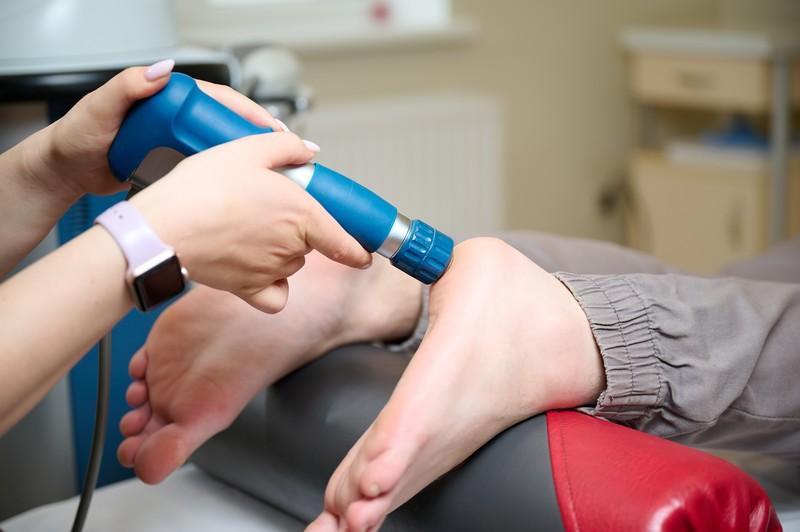
A handheld device delivers acoustic pulses to the affected tissue.
Patients often describe the sensation as:
– Tapping
– Pulsing
– Deep vibration
– Mild discomfort over sensitive areas
Intensity may be adjusted based on patient tolerance and tissue condition.
After Treatment
Some patients notice:
– Immediate mobility improvements
– Temporary soreness
– Gradual symptom reduction over several sessions
Healing responses often continue between treatments.
Combining Shockwave Therapy with Other Treatments
Shockwave therapy often works best as part of a comprehensive care plan.
At Elite Spine & Health Center, shockwave therapy may be integrated with:
– Chiropractic care
– Spinal decompression
– Soft tissue therapy
– Rehabilitation exercises
– Corrective movement training
– Sports rehabilitation
– Myofascial release
Integrated treatment approaches may improve overall outcomes by addressing both tissue healing and biomechanical dysfunction.
The Role of Movement in Recovery
Pain often causes people to stop moving. Unfortunately, inactivity can worsen many chronic conditions.
Movement supports:
– Joint lubrication
– Muscle activation
– Circulation
– Flexibility
– Nervous system regulation
Shockwave therapy may help patients tolerate movement better by reducing pain and improving tissue function.
As mobility improves, patients can gradually rebuild strength and resilience.
Shockwave Therapy for Athletes
Athletes frequently experience repetitive strain injuries.
Common athletic conditions treated with shockwave therapy include:
– Runner’s knee
– Shin splints
– Achilles injuries
– Rotator cuff pain
– Hamstring strains
– Tendon overuse injuries
Athletes often prefer non-surgical therapies that minimize downtime and support faster recovery.
Shockwave therapy has become increasingly common in sports medicine settings because of its ability to stimulate tissue repair naturally.
Shockwave Therapy for Active Adults
You do not have to be an athlete to benefit from shockwave therapy.
Many patients seeking treatment are:
– Office workers
– Construction workers
– Nurses
– Teachers
– Parents
– Fitness enthusiasts
– Retirees
Years of repetitive stress can gradually lead to chronic pain conditions.
Addressing those issues early may help prevent worsening dysfunction later.
Understanding Tissue Degeneration
Many chronic pain conditions involve degenerative changes.
Tendons and connective tissues can gradually lose elasticity, hydration, and structural integrity.
Shockwave therapy may help stimulate biological repair mechanisms that encourage tissue remodeling.
This regenerative effect is one reason ESWT continues gaining popularity in orthopedic and rehabilitation settings.
Common Signs You May Be Stuck in a Chronic Pain Cycle
You may benefit from evaluation if you experience:
– Pain lasting longer than 3 months
– Recurring injuries
– Pain that returns after temporary relief
– Stiffness in the morning
– Reduced range of motion
– Difficulty exercising
– Persistent tendon pain
– Scar tissue tightness
– Chronic inflammation
– Pain that limits daily activities
Is Shockwave Therapy Safe?
Shockwave therapy is generally considered safe when performed by trained providers.
Most side effects are mild and temporary.
Possible temporary effects include:
– Soreness
– Mild redness
– Temporary tenderness
– Minor swelling
However, not everyone is a candidate.
Treatment may not be appropriate for individuals with:
– Certain circulation disorders
– Blood clotting disorders
– Pregnancy
– Active infections
– Certain implanted medical devices
A professional evaluation is important before beginning care.
The Psychological Impact of Chronic Pain
Chronic pain affects emotional health as well as physical health.
Persistent pain can contribute to:
– Frustration
– Sleep problems
– Anxiety
– Stress
– Reduced confidence in movement
– Fear of physical activity
Breaking chronic pain cycles often requires restoring both physical function and confidence in the body’s ability to move safely again.
Why Early Intervention Matters
Many people wait months—or years—before seeking advanced treatment options.
The longer abnormal movement patterns persist, the more compensation and tissue dysfunction may develop.
Early intervention may help:
– Reduce inflammation sooner
– Prevent tissue degeneration
– Improve recovery timelines
– Restore mobility faster
– Minimize long-term dysfunction
Lifestyle Habits That Support Pain Recovery
Shockwave therapy may be most effective when combined with healthy lifestyle habits.
Helpful strategies include:
Regular Movement
Gentle activity helps maintain circulation and joint mobility.
Hydration
Hydrated tissues function more efficiently.
Sleep
Quality sleep supports tissue repair and nervous system recovery.
Anti-Inflammatory Nutrition
Balanced nutrition may help reduce chronic inflammation.
Stress Management
Stress can amplify pain perception and muscle tension.
Why Personalized Care Matters
Every chronic pain case is different.
Successful treatment often depends on identifying:
– Underlying biomechanical dysfunction
– Tissue quality
– Movement compensation
– Lifestyle contributors
– Inflammatory triggers
At Elite Spine & Health Center, individualized care plans are designed to help patients restore function, improve movement quality, and reduce chronic pain naturally.
Frequently Asked Questions (FAQs)
What does shockwave therapy feel like?
Most patients describe it as a tapping or pulsing sensation. Sensitive tissues may feel mildly uncomfortable during treatment, but sessions are generally well tolerated.
How many sessions are usually needed?
Treatment plans vary depending on the condition, severity, and chronicity of symptoms. Many patients receive multiple sessions over several weeks.
Is there downtime after treatment?
Most patients return to normal daily activities shortly after treatment.
Can shockwave therapy replace surgery?
In some cases, shockwave therapy may help patients avoid surgery by improving tissue healing and reducing pain naturally.
Does insurance cover shockwave therapy?
Coverage varies by provider and plan. Patients should contact the clinic for verification.
Is shockwave therapy evidence-based?
Research continues expanding in the field of ESWT, particularly for chronic tendon and musculoskeletal conditions.
How quickly do patients notice results?
Some patients experience improvements quickly, while others notice gradual changes over several treatments.
Can shockwave therapy help old injuries?
Yes. Chronic injuries involving scar tissue, poor circulation, or tendon degeneration may respond particularly well.
Conclusion
Chronic pain is rarely just about one injured area. It often becomes a self-perpetuating cycle involving inflammation, compensation, reduced movement, tissue degeneration, and nervous system sensitization.
High-energy shockwave therapy offers a modern, non-invasive approach that may help interrupt these cycles by stimulating healing, improving circulation, reducing inflammation, and restoring tissue function.
For patients seeking alternatives to surgery or long-term medication use, shockwave therapy may provide a valuable pathway toward improved mobility and lasting relief.
As regenerative and rehabilitation therapies continue evolving, more individuals are discovering that chronic pain does not always have to become a permanent part of life.
If chronic pain is limiting your mobility, activity level, or quality of life, professional evaluation may help identify treatment options designed for long-term recovery.
Contact Elite Spine & Health Center Today
📍 Address: Elite Spine and Health Center, Houston, TX
2901 Wilcrest Dr, Suite 140, Houston, TX 77042
📞 Phone Number: 832-925-6004
🌐 Website: https://elitespinehouston.com
For appointments and inquiries, contact Elite Spine & Health Center today to learn more about non-invasive solutions for chronic pain recovery.