Rebuilding Strength After Injury: A Performance-Focused Rehab Approach
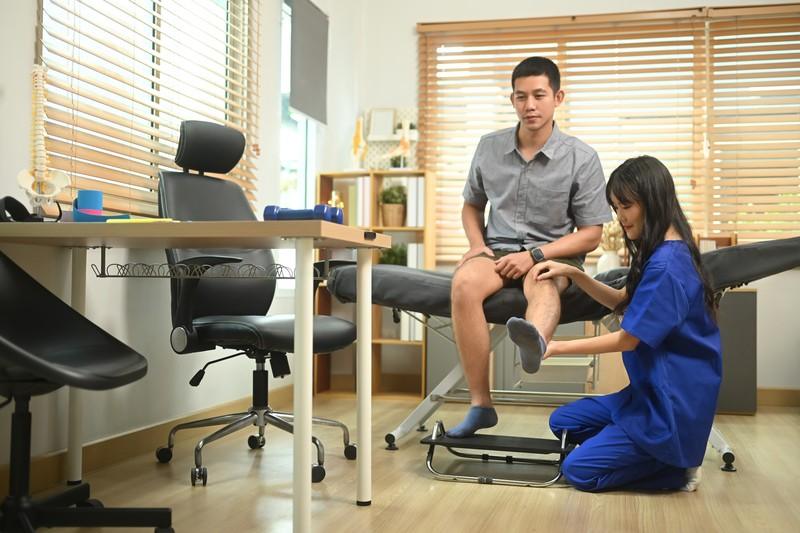
Recovering from a sports injury is about far more than simply eliminating pain. True recovery means restoring strength, rebuilding confidence, improving movement quality, and returning to activity stronger than before. Whether you are a competitive athlete, a weekend warrior, a fitness enthusiast, or someone who simply enjoys staying active, the right sports rehabilitation program can make the difference between recurring setbacks and long-term performance.
At Elite Spine & Health Center, sports rehabilitation is designed to help patients move beyond temporary relief and achieve lasting physical recovery. Their performance-focused approach combines chiropractic care, corrective exercise, movement restoration, soft tissue therapy, and injury prevention strategies to help individuals safely return to the activities they love. According to the clinic’s sports rehabilitation program, treatment plans are customized to restore function, reduce pain, rebuild strength, and improve athletic performance without surgery whenever possible.
Understanding Sports Rehabilitation
Sports rehabilitation is a specialized form of physical recovery focused on helping individuals recover from sports-related injuries, movement dysfunctions, overuse conditions, and post-surgical limitations. Unlike generalized rehabilitation programs, sports rehab emphasizes restoring peak performance while minimizing the risk of reinjury.
A proper rehabilitation program addresses:
– Pain reduction
– Joint mobility
– Muscle strength
– Stability and coordination
– Functional movement patterns
– Sport-specific performance
– Injury prevention
The goal is not simply to “feel better.” The goal is to return stronger, more balanced, and more resilient than before the injury occurred.
At Elite Spine & Health Center, providers utilize a multidisciplinary, non-surgical approach that incorporates chiropractic adjustments, therapeutic exercises, myofascial therapies, mobility training, and advanced recovery methods. For a broader medical perspective on how structured recovery benefits the body, you can read about the principles of physical medicine on the Mayo Clinic website.
Why Injuries Require More Than Rest
Many people assume injuries heal completely with time and rest alone. While rest is important during the acute phase of injury, inactivity without structured rehabilitation often creates additional problems such as:
– Muscle weakness
– Reduced mobility
– Scar tissue restrictions
– Poor movement mechanics
– Joint instability
– Compensatory movement patterns
– Chronic pain
Returning to activity too soon can also increase the likelihood of reinjury.
Sports rehabilitation helps bridge the gap between healing and performance. Structured recovery ensures that tissues not only recover but also regain the strength and flexibility needed to handle physical demands safely.
Common Sports Injuries That Benefit from Rehabilitation
Sports rehabilitation can help address a wide range of injuries affecting athletes and active individuals alike.
Ligament Injuries
Ligament injuries often occur in sports involving cutting, pivoting, jumping, or rapid direction changes. Examples include:
– ACL tears
– MCL injuries
– Ankle sprains
– Shoulder instability
Rehabilitation focuses on restoring stability, strengthening surrounding muscles, improving proprioception, and reducing reinjury risk.
Tendon Injuries
Tendon overuse injuries develop gradually through repetitive stress and poor biomechanics.
Common examples include:
– Achilles tendonitis
– Tennis elbow
– Golfer’s elbow
– Patellar tendonitis
– Rotator cuff tendonitis
Treatment typically includes mobility work, soft tissue therapy, eccentric strengthening, and movement correction.
Muscle Strains
Muscle strains can occur from explosive movement, overtraining, or inadequate warmups.
Commonly affected areas include:
– Hamstrings
– Quadriceps
– Calves
– Groin muscles
– Lower back
Performance-focused rehab restores flexibility, muscle control, and functional strength.
Back and Neck Injuries
Athletes frequently experience spinal stress from lifting, rotational movements, collisions, repetitive impact, or prolonged poor posture.
Conditions may include:
– Disc herniations
– Pinched nerves
– Muscle spasms
– Chronic low back pain
– Cervical strain
Elite Spine & Health Center incorporates chiropractic care and movement-based therapies to improve spinal function and reduce pain.
Overuse Injuries
Overuse injuries develop when repetitive stress exceeds the body’s recovery capacity.
Examples include:
– Shin splints
– Plantar fasciitis
– Stress reactions
– IT band syndrome
Rehabilitation aims to improve biomechanics, reduce inflammation, and rebuild tolerance to activity.
The Importance of Personalized Rehabilitation
No two injuries are exactly alike. Even patients with the same diagnosis may require different treatment approaches depending on:
– Age
– Fitness level
– Sport demands
– Injury severity
– Mobility restrictions
– Muscle imbalances
– Recovery goals
Elite Spine & Health Center emphasizes customized rehabilitation plans tailored to each patient’s condition and performance objectives.
A personalized program allows providers to progress rehabilitation safely while monitoring recovery milestones and adjusting treatment as needed. Learn more about our practice philosophy and patient care guidelines on our homepage.
Components of a Performance-Focused Sports Rehabilitation Program
Modern sports rehabilitation involves much more than stretching and simple exercise. Effective programs integrate multiple therapies to optimize healing and performance.
Comprehensive Evaluation and Movement Assessment
Recovery begins with identifying the root cause of pain and dysfunction.
Assessments may include:
– Range of motion testing
– Functional movement screening
– Joint stability evaluation
– Postural analysis
– Strength testing
– Gait assessment
– Sport-specific movement analysis
Understanding movement deficiencies helps providers develop targeted treatment plans.
Chiropractic Adjustments
Chiropractic care is frequently incorporated into sports rehabilitation to restore joint mobility, improve alignment, and reduce mechanical stress on the body.
Benefits may include:
– Improved spinal function
– Better mobility
– Reduced nerve irritation
– Enhanced athletic movement
– Faster recovery
Elite Spine & Health Center includes chiropractic adjustments as part of its integrated rehabilitation programs.
Therapeutic Exercise
Corrective exercise is one of the most important aspects of rehabilitation.
Programs may include:
– Stability training
– Core strengthening
– Resistance exercises
– Functional movement drills
– Mobility work
– Endurance conditioning
Exercises are progressed gradually to rebuild strength without aggravating the injury.
Soft Tissue Therapy
Muscle tightness and fascial restrictions can limit recovery and alter movement patterns.
Elite Spine & Health Center utilizes therapies such as:
– Graston® Technique
– Myofascial release
– Cupping therapy
– Dry needling
These methods may help improve tissue mobility, circulation, and muscle function.
Functional Training
As recovery progresses, rehabilitation becomes increasingly activity-specific.
Functional training may include:
– Agility drills
– Plyometrics
– Balance training
– Coordination exercises
– Sport-specific mechanics
– Reaction training
The objective is to prepare the body for real-world movement demands.
Neuromuscular Reeducation
Injuries often disrupt communication between muscles and the nervous system.
Neuromuscular retraining helps restore:
– Coordination
– Timing
– Joint control
– Balance
– Muscle activation patterns
Elite Spine & Health Center incorporates biofeedback and muscle reeducation therapies as part of rehabilitation programs.
Modalities for Recovery Support
Various supportive therapies may assist with pain management and tissue healing.
Examples include:
– Electrical stimulation (E-stim)
– Therapeutic ultrasound
– Heat therapy
– Intersegmental traction
– Shockwave therapy
– Laser therapy
These therapies are often combined with active rehabilitation rather than used alone. To read case studies and success stories involving these methods, check out our blogs.
The Phases of Sports Rehabilitation
A structured rehabilitation program typically progresses through several phases.
Phase 1: Pain and Inflammation Control
Initial treatment focuses on:
– Reducing inflammation
– Managing pain
– Protecting injured tissues
– Restoring gentle mobility
During this stage, patients may receive manual therapy, chiropractic care, and low-impact exercises.
Phase 2: Mobility Restoration
Once pain improves, rehabilitation shifts toward restoring movement quality.
Goals include:
– Increasing flexibility
– Restoring range of motion
– Reducing stiffness
– Improving joint mechanics
Mobility work is essential before progressing to strengthening exercises.
Phase 3: Strength Development
Strengthening exercises help rebuild tissue capacity and improve stability.
This stage often includes:
– Resistance training
– Core stabilization
– Balance work
– Controlled loading exercises
Progressive loading is critical for long-term recovery.
Phase 4: Functional Reintegration
Patients gradually return to more demanding movements.
Rehabilitation becomes increasingly activity-specific and may involve:
– Running mechanics
– Jump training
– Lifting techniques
– Sport drills
– Direction changes
– Reaction exercises
The focus shifts from basic recovery to peak function.
Phase 5: Performance Optimization
Elite Spine & Health Center emphasizes not only recovery but also long-term performance enhancement and injury prevention.
Performance optimization may include:
– Advanced strength training
– Biomechanical correction
– Mobility maintenance
– Movement efficiency
– Recovery strategies
– Conditioning programs
This phase helps athletes return stronger than before the injury. To discover how we guide patients through these stages, explore our dedicated service options.
Why Non-Surgical Rehabilitation Matters
Many sports injuries can improve significantly with conservative treatment.
Non-surgical rehabilitation offers several advantages:
– Reduced recovery time
– Lower complication risk
– Improved movement quality
– Reduced medication use
– Better long-term function
– Faster return to activity
Elite Spine & Health Center emphasizes non-invasive treatment strategies whenever appropriate.
Injury Prevention Through Rehabilitation
One of the greatest benefits of sports rehabilitation is reducing future injury risk.
Rehabilitation identifies and corrects factors such as:
– Muscle imbalances
– Poor posture
– Weak stabilizers
– Improper mechanics
– Limited mobility
– Overtraining patterns
Preventative strategies may include:
– Warmup protocols
– Recovery education
– Mobility maintenance
– Strength programming
– Movement retraining
According to Elite Spine & Health Center, injury prevention is a key component of long-term athletic success.
Rehabilitation for Different Types of Athletes
Sports rehabilitation is not limited to professional athletes.
Youth Athletes
Young athletes benefit from proper movement training and injury prevention strategies during growth and development.
Weekend Warriors
Adults who participate in recreational sports often face overuse injuries and mobility restrictions from balancing work, training, and daily responsibilities.
Competitive Athletes
High-level athletes require advanced rehabilitation focused on restoring explosive power, endurance, and performance readiness.
Active Adults
Even non-athletes benefit from rehabilitation after injuries that affect mobility, strength, and physical independence.
Mental Aspects of Recovery
Injuries can affect confidence, motivation, and mental focus.
Athletes may experience:
– Fear of reinjury
– Anxiety about performance
– Frustration from inactivity
– Loss of confidence
Performance-focused rehabilitation helps rebuild trust in the body through gradual progression and measurable improvements.
Confidence restoration is an essential part of successful recovery.
The Role of Consistency in Recovery
Rehabilitation outcomes depend heavily on consistency.
Successful patients typically:
– Attend appointments regularly
– Follow home exercise programs
– Prioritize recovery habits
– Communicate openly with providers
– Progress gradually
Recovery is rarely linear. Some setbacks are normal, but consistency often determines long-term success.
Nutrition and Recovery Support
Healing requires proper nutritional support.
Recovery-focused nutrition may emphasize:
– Adequate protein intake
– Hydration
– Anti-inflammatory foods
– Micronutrient support
– Sleep optimization
Elite Spine & Health Center also mentions supportive products and supplements designed to assist with recovery and pain management.
Technology and Modern Rehabilitation
Sports rehabilitation continues evolving with advances in movement science and recovery technologies.
Modern rehab programs increasingly incorporate:
– Functional testing
– Neuromuscular training
– Precision rehabilitation
– Technology-assisted recovery systems
Emerging research in rehabilitation science highlights how personalized recovery approaches and movement analytics may improve rehabilitation outcomes and performance restoration.
Signs You May Benefit From Sports Rehabilitation
You may benefit from a structured rehabilitation program if you experience:
– Persistent pain after activity
– Reduced athletic performance
– Frequent injuries
– Limited mobility
– Muscle weakness
– Joint instability
– Difficulty returning to exercise
– Post-surgical limitations
– Chronic tightness or stiffness
Early intervention often leads to better outcomes and faster recovery.
What Makes Elite Spine & Health Center Different
Elite Spine & Health Center focuses on comprehensive, patient-centered rehabilitation designed to improve both recovery and performance.
Their sports rehabilitation approach includes:
– Customized treatment plans
– Chiropractic care integration
– Functional movement correction
– Soft tissue therapies
– Advanced recovery technologies
– Strength and mobility training
– Injury prevention strategies
The clinic treats a broad range of sports injuries while emphasizing non-surgical, performance-focused care.
Frequently Asked Questions
What is sports rehabilitation?
Sports rehabilitation is a specialized recovery program designed to restore strength, mobility, and function after sports-related injuries while helping prevent future injuries.
Is sports rehabilitation only for athletes?
No. Sports rehabilitation can help anyone recovering from musculoskeletal injuries, movement limitations, or physical performance challenges.
How long does sports rehabilitation take?
Recovery timelines vary depending on the severity of the injury, the patient’s overall health, and consistency with treatment.
Can sports rehabilitation help avoid surgery?
In many cases, yes. Conservative treatment methods may improve function and reduce pain enough to avoid surgical intervention.
Does chiropractic care help with sports injuries?
Chiropractic care may help improve mobility, reduce joint restrictions, support alignment, and enhance overall movement mechanics during recovery.
What therapies are commonly included in sports rehabilitation?
Programs may include chiropractic adjustments, corrective exercise, soft tissue therapy, dry needling, mobility work, strength training, and functional movement retraining.
Can rehabilitation improve athletic performance?
Yes. Proper rehabilitation can enhance strength, flexibility, movement efficiency, coordination, and injury resistance.
What happens if injuries are not properly rehabilitated?
Incomplete rehabilitation may increase the risk of chronic pain, weakness, mobility loss, and recurrent injuries.
Conclusion
Recovering from an injury requires more than simply waiting for pain to disappear. True rehabilitation focuses on rebuilding strength, restoring movement, improving performance, and preventing future setbacks. A performance-focused rehab approach addresses the body as a whole, helping individuals return to activity stronger, safer, and more resilient.
At Elite Spine & Health Center, sports rehabilitation combines chiropractic care, movement correction, soft tissue therapy, strength training, and personalized recovery strategies to help patients achieve long-term results. Whether recovering from a recent injury or dealing with chronic movement limitations, a structured rehabilitation program can help restore confidence and improve quality of life.
By addressing both recovery and performance, sports rehabilitation empowers athletes and active individuals to move beyond pain and return to the activities they love with greater strength and stability.
If you are recovering from a sports injury, dealing with chronic pain, or struggling to return to peak performance, professional rehabilitation may help you recover safely and effectively.
Contact Elite Spine & Health Center today to learn more about their personalized sports rehabilitation programs.
📍 Address: Elite Spine and Health Center, Houston, TX
2901 Wilcrest Dr, Suite 140, Houston, TX 77042
📞 Phone Number: 832-925-6004
🌐 Website: elitespinehouston.com
Schedule an appointment today and take the next step toward rebuilding strength, restoring movement, and achieving long-term physical performance.