
Insert your content here
Quick Summary
Simple tools such as a foam roller and tennis ball can help relieve tight fascia and sore muscles at home. This article walks you through seven myofascial release exercises, covering areas from the upper back to the feet, along with practical tips for using them safely and recognizing when professional care may be appropriate.
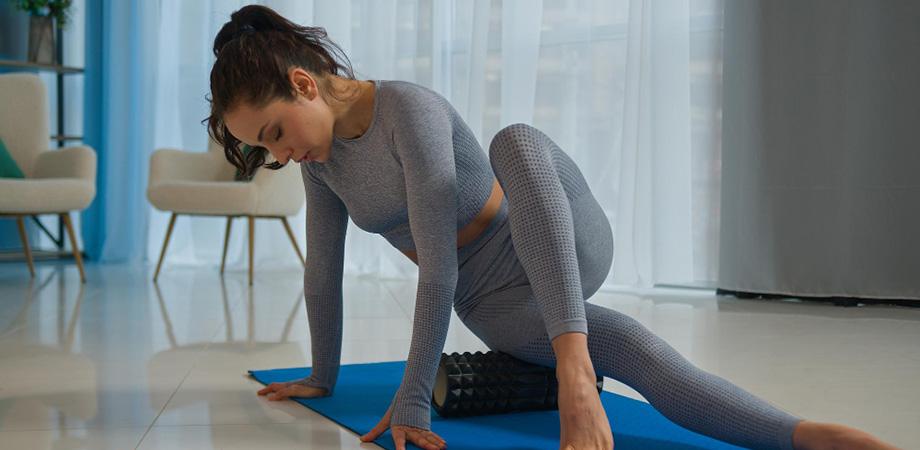
Muscle tightness rarely stays confined to one area. A stiff upper back can contribute to neck tension, while tight calves can place additional strain on the feet and knees. That is why many people turn to myofascial release exercises, which use gentle pressure to relax the connective tissue surrounding the muscles.
You do not need specialized equipment to get started. A foam roller, a tennis ball, and a few quiet minutes are often enough.
Upper Back Foam Roll
Sit on the floor with your knees bent and position a foam roller behind your upper back, just below your shoulder blades. Cross your arms over your chest, lift your hips slightly, and slowly roll upward toward your shoulders.
When you find a tender spot, pause and breathe for 30 to 60 seconds. Avoid rolling over the lower back because that area of the spine has less natural muscular support. Long hours at a desk can leave the upper back particularly tight, making it an area worth addressing.
If persistent aches continue, our back pain specialists can look for the cause.
Glute Ball Release
Place a tennis ball between a wall and one side of your buttocks, or sit on the floor with the ball positioned underneath you. Shift your weight gradually until you locate a tender spot, then maintain light pressure for 30 to 60 seconds.
Tight glutes can contribute to discomfort in the hips and lower back, so this technique may help relieve some of that tension. Keep your breathing slow and relaxed, and reduce the pressure if you experience sharp pain or tingling that travels down the leg. Repeat the technique on the opposite side when you finish.
Quad Foam Roll
Lie face down with the foam roller underneath your thighs and your forearms resting on the floor. Slowly roll from just above your knees toward the tops of your thighs. When you find a sore or tight area, pause and hold the position for about 30 seconds. Do not roll directly over the kneecap. Keep the roller on the surrounding muscle instead.
Tight quadriceps are common among people who spend long periods sitting or run frequently, and releasing some of that tension may reduce strain around the knees.
Calf Roll
Sit with the foam roller beneath your calves and place your hands behind you for support. Lift your hips, then slowly roll from your ankles toward your knees. For greater pressure, cross one leg over the other so more of your body weight rests on the calf being treated.
Pause on tender areas for about 30 seconds while maintaining an even breathing pattern. Your calves work throughout the day, particularly if you spend hours standing or walking. Tension in this area can also affect movement farther up the body, including the hips and back.
Plantar Fascia Ball Roll
Stand or sit and place a tennis ball or small massage ball under your foot. Roll slowly from the heel to the ball of the foot, using gentle to moderate pressure. Spend extra time on tight areas for about 30 seconds each. This exercise feels particularly good after a long day on your feet.
If you have heel pain that lasts or worsens, consider an evaluation for ankle and foot pain rather than pushing through it.
Chest Wall Release
Stand facing a corner or doorframe and position a tennis ball between your chest and the wall, just inside your shoulder. Lean into the ball gently and make small, controlled circles. Keep the pressure on muscle tissue and away from bone and the collarbone.
When you find a tight spot, hold the pressure for about 30 seconds. Rounded shoulders and tight chest muscles are common among people who spend much of the day at a desk. Releasing tension across the front of the body can make it easier to maintain a more upright posture.
Neck and Upper Shoulder Release
Use a soft ball, such as a massage ball, and stand with your back against a wall. Place the ball between the wall and the muscle at the top of your shoulder. Apply very light pressure and lean into the ball gradually.
Never roll directly over the front of the neck or along the spine. Hold a tight area for 20 to 30 seconds while breathing steadily. The neck and upper shoulder region is sensitive, so use a gentle touch and stop immediately if you experience sharp or unusual pain.
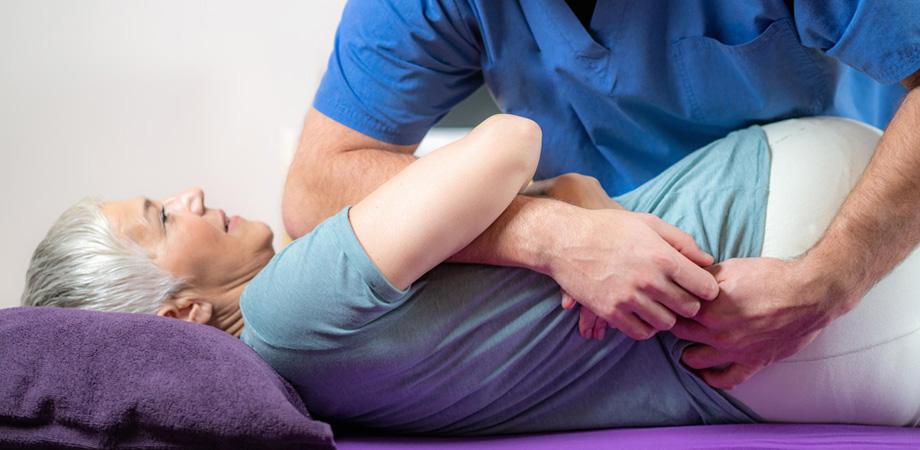
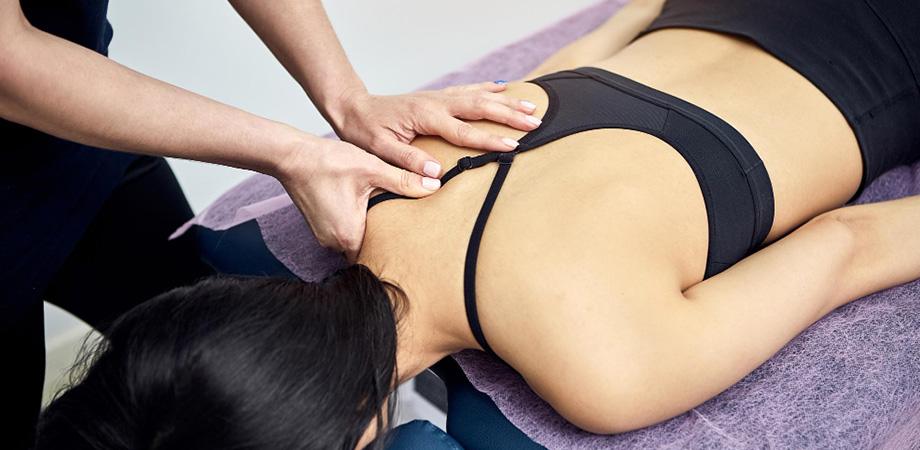
Home techniques help, but some pain needs a professional eye. Elite Spine & Health Center offers same-week appointments at our Westchase and Spring locations, and each visit starts with a detailed evaluation to find the source of your discomfort. From there, our doctors tailor a plan to your body and your goals.
A trained provider can apply myofascial release in Houston & Spring, TX with precision that a foam roller cannot match. Call us or request an appointment online when you are ready.
FAQs
Most people do well with short sessions once a day or a few times a week. Spend about 30 to 60 seconds on each tender area, and keep the total session to 10 or 15 minutes.
It can feel uncomfortable, like a deep stretch, but it should never be sharp, burning, or electric. If you feel numbness or tingling, stop and reposition.
They can help with everyday tightness, but they do not replace an evaluation for persistent or severe pain. If your symptoms last more than a couple of weeks, spread, or come with numbness or weakness, see a healthcare provider who can find the underlying cause.