
Insert your content here
Quick Summary
Rolfing and myofascial release both target fascia, the connective tissue that surrounds your muscles, but their techniques and goals are different. This article compares how each therapy works, what sessions may feel like, who may benefit from each approach, and how to choose the option that best suits your needs.
Tight shoulders, a stiff back, and a body that feels out of balance often point to the same hidden culprit: fascia. This thin web of connective tissue surrounds every muscle and organ, and when it becomes restricted, movement can feel limited and sore. Two well-known therapies work on it, and many people hear both names at once.
If you are comparing rolfing vs. myofascial release, you are likely wondering how they differ and which one fits your needs. Below, we explain how each therapy works, what to expect during sessions, and how to make a confident choice.
What Is Rolfing?
Rolfing, also known as structural integration, was developed by biochemist Ida Rolf in the mid-twentieth century. The therapy aims to reorganize the body’s connective tissue so that the body rests in better alignment with gravity. Practitioners use firm pressure from their hands, knuckles, and elbows, along with guided movement.
Traditionally, Rolfing is performed as a series of about ten sessions, with each session focusing on a different area of the body.
Since the approach considers the body’s overall structure, a session might address your feet while working toward improving a neck complaint. Some people find the pressure intense, although a skilled practitioner can adjust the technique to match your tolerance.
What Is Myofascial Release?
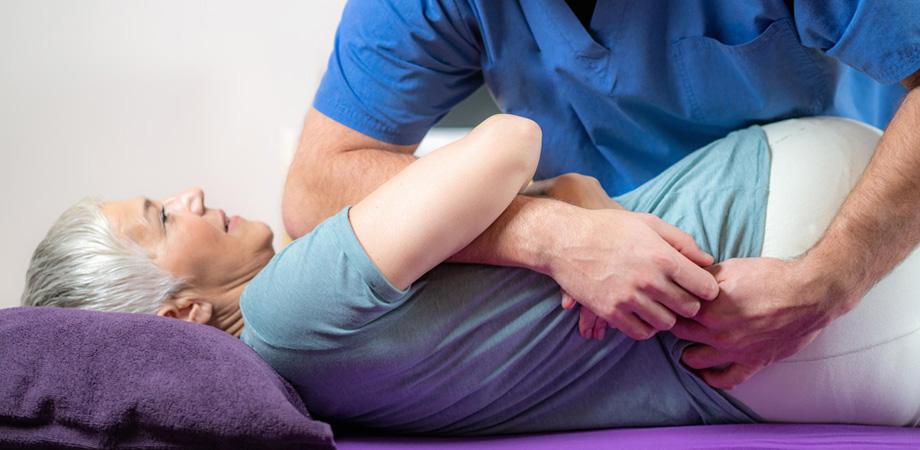
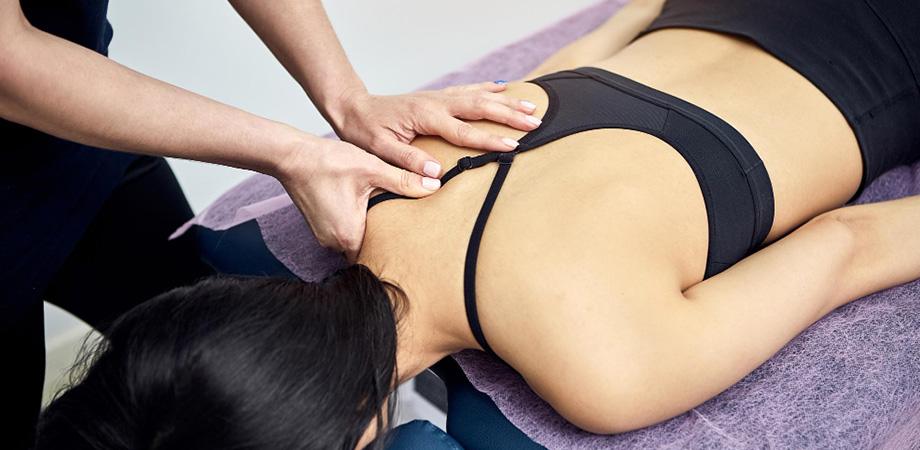
Myofascial release uses sustained, gentle pressure on areas of tight fascia to reduce tension and encourage smoother movement. A therapist holds pressure or a stretch on a specific area for several minutes, giving the tissue time to soften. The work is slower and often focuses more directly on a specific complaint, such as a tight shoulder, stiff hip, or recurring tension headache.
Chiropractors, physical therapists, and massage therapists commonly incorporate this technique into their care. At our clinics, myofascial release in Houston & Spring, TX is often combined with other treatments so that soft-tissue work and joint-focused care can complement each other.
Key Differences in Approach
The main differences come down to scope, pressure, and structure. Rolfing takes a whole-body approach and follows a structured sequence, while myofascial release is more flexible and typically focuses on the area causing discomfort. Rolfing pressure tends to be more intense, while myofascial release generally feels like a slow, steady stretch.
Rolfing also emphasizes posture and movement education, so you may be asked to walk, stand, or move in different ways during a session. Myofascial release can be easier to incorporate into an existing care plan because sessions can be shorter and more targeted.
What the Research Says
Both therapies have devoted followers, but research on each approach remains limited. Small studies suggest that fascia-focused techniques may reduce pain and improve flexibility for some people.
However, the available evidence is not strong enough to promise specific results for everyone. Your own response to treatment therefore matters. Track how you feel after a few sessions, including changes in your pain level and range of motion.
If you notice consistent improvement, the therapy may be a good fit. If you do not, another technique may suit you better, and an evaluation can help determine the next step.
Which One Fits You?
Choose Rolfing if you want a whole-body program and are comfortable with deeper pressure and a longer commitment. Choose myofascial release if you have one or two trouble spots, prefer a gentler touch, or want something that fits easily with chiropractic care.
People recovering from an injury or surgery should check with their doctor before trying either one. When tight muscles need more specific attention, tools such as the Graston technique can break up stubborn scar tissue and adhesions. Athletes may also benefit from sports rehabilitation, which combines hands-on work with guided exercises.
If you are still unsure where to begin, an evaluation can help point you toward the most appropriate option. Elite Spine & Health Center offers a wide range of advanced therapies in one location, including Class IV laser, shockwave, dry needling, and spinal decompression, so you do not have to visit multiple offices for different treatments. Our doctors can adjust your treatment plan as your recovery progresses. Contact our Westchase or Spring clinic to get started.
FAQs
Rolfing usually involves deeper pressure, so many people find it more intense. Myofascial release tends to feel like a slow, steady stretch. Either therapy should stay within your comfort level. Tell the practitioner if pressure becomes sharp, and ask them to lighten up or stop.
Rolfing is traditionally done in a series of about ten sessions. Myofascial release varies, and some people feel a change after a few visits while chronic problems may take longer. Your provider should explain a timeline and review your progress along the way.
Some people try them in sequence, but doing both at once can overload sore tissue. It is best to start with one, give it a fair trial, and talk to your providers before adding another. That way you can tell which approach is helping.