Ancient Therapy Meets Modern Pain Relief: Understanding Cupping Techniques
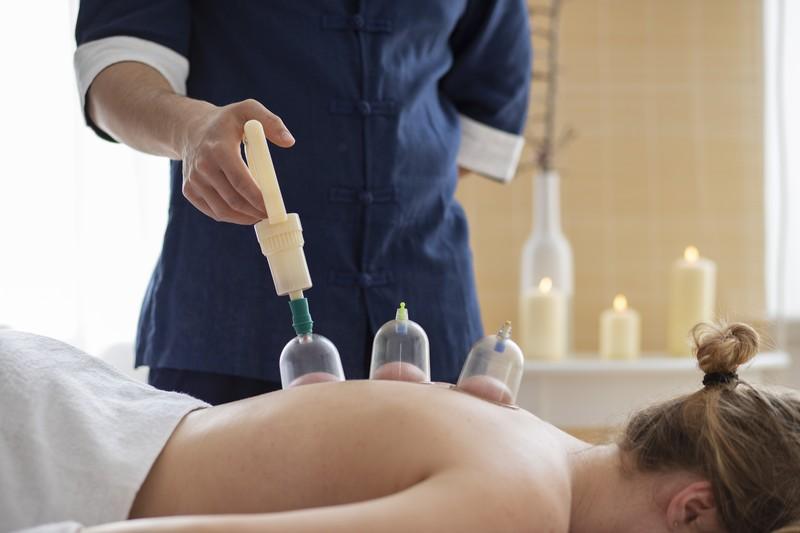
In an age dominated by fast-paced lifestyles, long working hours, and increasing physical and mental stress, many individuals are searching for effective, natural ways to manage pain and restore balance. While modern medicine continues to advance rapidly, there has been a noticeable resurgence in traditional healing practices that have stood the test of time. One such therapy gaining widespread attention is cupping therapy—an ancient technique that is now being integrated into modern wellness and rehabilitation programs.
From professional athletes to individuals dealing with chronic pain, cupping therapy is becoming a preferred complementary treatment. Its ability to relieve muscle tension, improve circulation, and promote relaxation makes it an appealing alternative to invasive procedures or long-term medication use.
This comprehensive guide explores everything you need to know about cupping therapy—from its origins and techniques to its modern applications, benefits, and safety considerations.
The History and Origins of Cupping Therapy
Cupping therapy is far from a new trend. In fact, its roots date back over 3,000 years. It was practiced in several ancient civilizations, including:
Traditional Chinese Medicine (TCM)
Ancient Egyptian medicine
Middle Eastern healing systems
Historical records suggest that the ancient Egyptians documented cupping practices in one of the oldest medical texts, the Ebers Papyrus, around 1550 BCE. Similarly, in China, cupping has been used as a vital component of holistic healing, often combined with acupuncture and herbal medicine.
In Middle Eastern cultures, a variation known as Hijama (wet cupping) has been widely practiced for centuries, particularly for detoxification and improving blood flow.
Despite its ancient origins, cupping has evolved significantly. Today, it is widely used in chiropractic clinics, physical therapy centers, and sports medicine facilities across the globe.
What Is Cupping Therapy?
Cupping therapy involves placing specialized cups on the skin to create suction. This suction gently lifts the skin and underlying tissues, promoting increased blood circulation and stimulating the body’s natural healing processes.
Unlike massage therapy, which applies pressure downward, cupping works by pulling upward. This decompression effect can help release tight muscles, improve lymphatic drainage, and enhance tissue repair.
The cups used in therapy can be made from various materials, including:
Glass
Silicone
Bamboo
Plastic
Depending on the technique, suction is created using heat (fire cupping) or mechanical pumps.
How Cupping Therapy Works
Cupping therapy works by combining physical and physiological effects to promote pain relief and overall wellness. The suction created by the cups increases blood circulation, bringing oxygen and nutrients to affected tissues while removing waste products. It also lifts and stretches the fascia, helping to release muscle tightness and improve flexibility. Additionally, cupping stimulates the lymphatic system, supporting detoxification and immune function. The gentle pulling sensation can calm the nervous system, reducing stress and promoting relaxation. Together, these effects help decrease inflammation, ease discomfort, and enhance the body’s natural healing processes, making cupping an effective complementary therapy.
1. Increased Blood Circulation
The suction effect draws blood to the surface of the skin, improving circulation in targeted areas. This enhanced blood flow delivers oxygen and nutrients to tissues, accelerating healing.
2. Myofascial Decompression
Cupping lifts the fascia (connective tissue), reducing stiffness and improving flexibility. This is particularly beneficial for individuals with chronic muscle tension or restricted mobility.
3. Activation of the Lymphatic System
The therapy stimulates lymphatic drainage, helping the body remove toxins and waste products more efficiently.
4. Nervous System Regulation
Cupping may activate the parasympathetic nervous system, promoting relaxation and reducing stress levels.
5. Pain Modulation
By stimulating sensory nerves, cupping can alter pain perception and increase the body’s pain threshold.
Types of Cupping Techniques
Modern cupping therapy offers a variety of techniques tailored to different therapeutic needs, allowing practitioners to customize treatments based on individual conditions and goals. From dry cupping for muscle relaxation to wet cupping for detoxification, each method serves a specific purpose. Techniques like moving cupping help improve mobility and release deep tissue tension, while silicone cupping provides a gentler option for sensitive areas. These diverse approaches make cupping a flexible and effective therapy for addressing pain, enhancing circulation, reducing stress, and supporting overall wellness in both clinical and holistic health settings.
1. Dry Cupping
This is the most commonly used cupping technique, known as dry cupping. Cups are placed directly on the skin, and suction is created using a pump or heat. No incisions are involved, making it a safe and non-invasive method for relieving muscle tension, improving circulation, and promoting relaxation.
Best for:
Muscle pain
Tension relief
Relaxation
2. Wet Cupping (Hijama)
This technique, known as wet cupping, involves making small, controlled incisions on the skin before applying suction. It is believed to help remove stagnant blood and toxins, promote circulation, and support the body’s natural detoxification process when performed safely by trained professionals.
Best for:
Detoxification
Circulatory issues
Note: This method must only be performed by trained professionals under sterile conditions.
3. Moving (Gliding) Cupping
In this technique, known as moving or gliding cupping, oil is applied to the skin before placing the cups. The cups are then gently moved across the surface, helping to release muscle tension, improve circulation, and enhance flexibility while providing a soothing, massage-like effect.
Best for:
Myofascial release
Improved mobility
Deep tissue therapy
4. Fire Cupping
A traditional method known as fire cupping uses heat to create suction inside glass cups. A flame is briefly introduced to remove oxygen, forming a vacuum when placed on the skin, which helps improve circulation, relieve muscle tension, and promote overall relaxation.
Best for:
Deep muscle tension
Traditional therapeutic approaches
5. Silicone Cupping
These flexible silicone cups allow for controlled suction and are commonly used in cupping therapy. Their soft, adaptable design makes them ideal for sensitive areas, especially facial treatments, where they help improve circulation, reduce puffiness, and promote a natural, healthy glow while providing gentle stimulation to the skin.
Best for:
Sensitive areas
Cosmetic applications
Benefits of Cupping Therapy
Cupping therapy offers a wide range of physical and mental health benefits, making it a popular choice for holistic wellness. Physically, it helps relieve muscle tension, reduce pain, improve blood circulation, and decrease inflammation. It can also support faster recovery from injuries and enhance flexibility. Mentally, cupping promotes relaxation by calming the nervous system, which may help reduce stress, anxiety, and fatigue. Additionally, it can improve sleep quality and overall well-being. By stimulating the body’s natural healing processes, cupping provides a balanced approach to maintaining both physical health and emotional wellness.
1. Pain Relief
One of the primary reasons people seek cupping therapy is to alleviate pain. It is especially effective for relieving chronic muscle tension, back and neck pain, joint discomfort, and stiffness. By improving blood circulation and reducing inflammation in targeted areas, cupping helps relax tight tissues, promote healing, and restore mobility. Many patients also report reduced discomfort from sports injuries and repetitive strain conditions.
Lower back pain
Neck and shoulder tension
Joint pain
Muscle stiffness
2. Improved Circulation
Enhanced blood flow helps deliver essential nutrients and oxygen to tissues, which supports faster healing and recovery. Improved circulation also helps remove metabolic waste products more efficiently, reducing inflammation and promoting healthier, more responsive muscle and connective tissue function throughout the body.
3. Reduced Inflammation
Cupping may help decrease inflammation by improving circulation and supporting the body’s natural healing processes, making it beneficial for conditions like arthritis. By increasing blood flow to affected areas, it can reduce stiffness, ease joint discomfort, and promote better mobility over time when used as a complementary therapy.
4. Muscle Recovery
Athletes frequently use cupping therapy to speed up recovery and reduce muscle soreness after intense workouts. By improving blood circulation, easing muscle tightness, and supporting tissue repair, cupping helps the body recover more efficiently. It can also reduce delayed onset muscle soreness (DOMS), improve flexibility, and enhance overall athletic performance when used regularly as part of a recovery routine.
5. Stress Reduction
The therapy has a calming effect on the nervous system, helping to reduce anxiety, lower stress levels, and promote deep relaxation. By encouraging the body to shift into a parasympathetic state, cupping can ease mental tension, improve mood, and support better emotional balance and overall well-being.
6. Enhanced Skin Health
Facial cupping can improve skin tone by boosting circulation and encouraging lymphatic drainage. It helps reduce puffiness, especially around the eyes and cheeks, while promoting a natural, healthy glow. The gentle suction also supports collagen production, leaving the skin looking firmer, smoother, more refreshed, and revitalized over time with regular use.
7. Detoxification Support
By stimulating lymphatic drainage, cupping aids in removing toxins and waste products from the body more efficiently. This process helps reduce fluid buildup, decrease inflammation, and support immune function. Improved lymph flow also promotes overall detoxification, leaving the body feeling lighter, healthier, and more balanced while enhancing natural healing processes.
Conditions Treated with Cupping Therapy
Cupping therapy is commonly used as a complementary treatment for various conditions, including:
Chronic back and neck pain
Migraines and headaches
Arthritis
Fibromyalgia
Sports injuries
Respiratory issues (e.g., asthma, bronchitis)
Digestive disorders
Anxiety and stress-related conditions
While cupping is not a cure, it can significantly improve symptoms and enhance overall quality of life.
What to Expect During a Session
If you’re new to cupping therapy, understanding the process can help ease any concerns.
Step 1: Consultation
Your practitioner will assess your health condition and determine the appropriate technique.
Step 2: Application
Cups are placed on specific areas of the body.
Step 3: Suction
Suction is created using a pump or heat.
Step 4: Treatment Duration
Cups are left in place for 5–20 minutes or moved across the skin.
Step 5: Removal and Aftercare
Cups are removed, and the practitioner may provide aftercare advice.
Common Sensations
Mild pulling or tightness
Warmth
Relaxation
After Effects
Circular marks (temporary)
Mild soreness
Improved flexibility
These marks are not bruises and typically fade within a few days.
Is Cupping Therapy Safe?
Cupping therapy is generally safe when performed by qualified professionals. However, like any treatment, it carries some risks.
Possible Side Effects
Skin discoloration
Mild discomfort
Burns (rare)
Infection (if improperly performed)
Who Should Avoid Cupping?
Pregnant individuals
People with bleeding disorders
Individuals on blood thinners
Those with skin infections or open wounds
Always consult a healthcare provider before starting any new therapy.
Modern Applications of Cupping Therapy
Cupping therapy is now widely used in modern healthcare settings, including:
Chiropractic care
Physical therapy
Sports medicine
Rehabilitation centers
Many professional athletes, including Olympians, have popularized cupping therapy, showcasing its effectiveness in enhancing performance and recovery.
Integrating Cupping with Other Treatments
Cupping therapy is often combined with other treatments for optimal results:
Massage therapy
Acupuncture
Chiropractic adjustments
Physical therapy exercises
This integrative approach allows for a more comprehensive treatment plan tailored to individual needs.
FAQs About Cupping Therapy
1. Does cupping therapy hurt?
No, it typically feels like a gentle pulling sensation and is often relaxing.
2. How long do the marks last?
Marks usually fade within 3–10 days.
3. How often should I get cupping?
It depends on your condition, but sessions every 2–4 weeks are common.
4. Can cupping help with chronic pain?
Yes, many people find relief from chronic pain through regular sessions.
5. Is cupping therapy safe for everyone?
No, certain individuals should avoid it. Always consult a professional.
6. Can I combine cupping with other treatments?
Yes, it works well alongside other therapies.
7. Are the results immediate?
Some people feel relief immediately, while others notice gradual improvement.
Conclusion
Cupping therapy represents a perfect blend of ancient wisdom and modern healthcare innovation. Its ability to relieve pain, improve circulation, and promote relaxation makes it a valuable addition to today’s wellness practices.
As more people seek natural and holistic approaches to health, cupping continues to gain recognition as an effective, non-invasive therapy. Whether you’re dealing with chronic pain, recovering from an injury, or simply looking to enhance your well-being, cupping therapy offers a safe and beneficial solution.
Ready to experience the healing power of cupping therapy?
Visit Elite Spine & Health Center and discover how this ancient technique can help you achieve modern pain relief and improved wellness.
📍 Address:
Elite Spine & Health Center – Spring
18425 Champion Forest Dr, Suite 200
Spring, TX 77379
Located on the 2nd floor, behind Bank of America (MapQuest)
📞 Phone Number: 346-808-8338
For appointments and inquiries
🌐 Website: https://elitespinehouston.com/
Take the first step toward a healthier, pain-free life today!