Dry Needling for Pain Relief: How It Enhances Chiropractic Care, Physical Therapy, and Regenerative Treatments
Chronic pain affects millions of people worldwide, limiting their ability to work, exercise, and enjoy everyday activities. While traditional treatments such as medication, injections, or surgery remain common, many patients and healthcare providers are turning toward holistic and minimally invasive solutions. One therapy gaining significant attention is dry needling.
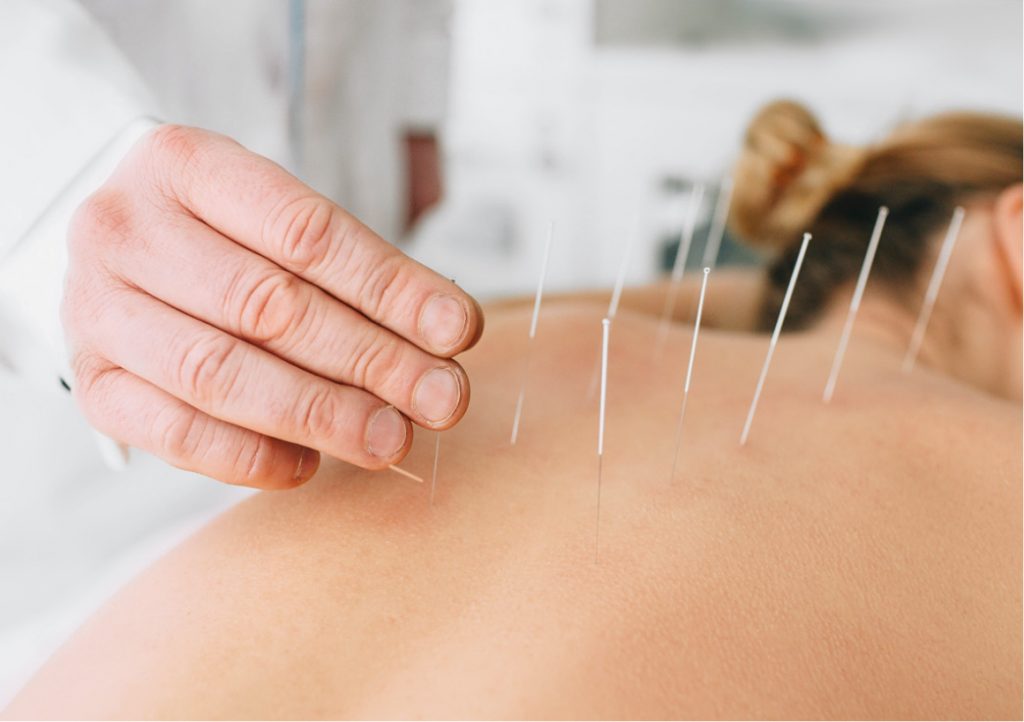
Dry needling is a specialized technique where thin, sterile needles are inserted into trigger points or tight bands of muscle tissue. Unlike acupuncture, which is rooted in traditional Chinese medicine, dry needling is based on modern anatomy and neurophysiology. By targeting dysfunctional muscle fibers, it helps release tension, improve blood flow, and reduce pain signals to the nervous system.
When integrated into chiropractic care or physical therapy, dry needling can accelerate recovery, improve mobility, and enhance overall treatment outcomes. It is especially effective for conditions such as back pain, neck pain, headaches, and sports injuries.
Additionally, dry needling pairs well with regenerative treatments, helping the body heal at a deeper level. By addressing both the root cause and symptoms of pain, it offers lasting relief and improved function.
For many, dry needling is becoming a cornerstone of modern pain management—an effective, safe, and drug-free path toward long-term healing.
What Is Dry Needling?
Dry needling is a therapeutic technique commonly used by physical therapists and other trained healthcare professionals to address muscle pain and movement impairments. The method involves inserting very thin, solid filiform needles directly into myofascial trigger points—commonly referred to as “knots.” These are sensitive, tight bands of muscle fibers that can contribute to localized pain or even radiating discomfort in other parts of the body.
The primary goal of dry needling is to release muscle tension, improve blood flow, and restore normal function to the affected tissues. Patients often experience immediate relief, reduced pain, and improved mobility following treatment. By targeting the neuromuscular system, dry needling helps reset dysfunctional muscle patterns, making it a valuable tool in rehabilitation programs for athletes, office workers, or anyone dealing with chronic pain or injuries.
It’s important to distinguish dry needling from acupuncture. While both techniques involve the use of fine needles, acupuncture is rooted in traditional Chinese medicine and focuses on balancing the body’s energy flow (Qi). Dry needling, on the other hand, is firmly based on modern Western medicine and musculoskeletal science, emphasizing anatomy, physiology, and evidence-based practice.
This safe and effective technique continues to gain popularity as a complementary approach to pain management and physical therapy.
Key Benefits of Dry Needling:
-
Relieves muscle tension and promotes relaxation.
-
Reduces pain by stimulating trigger points and nerve pathways.
-
Improves blood flow and healing in injured tissues.
-
Enhances range of motion for joints and muscles.
-
Supports recovery from sports injuries, accidents, and chronic conditions.
How Dry Needling Enhances Chiropractic Care
Chiropractic care is a natural and effective approach that focuses on restoring proper spinal alignment, improving nervous system function, and reducing pain throughout the body. By correcting misalignments, chiropractors help enhance mobility, support better posture, and promote overall wellness. When combined with dry needling, which targets tight or knotted muscles to release tension and improve blood flow, patients often experience faster and longer-lasting relief. This powerful combination not only addresses the root cause of discomfort but also accelerates recovery, reduces inflammation, and restores balance, making it an excellent option for those seeking lasting pain relief and improved quality of life.
Benefits of Combining Chiropractic Care with Dry Needling:
-
Faster Pain Relief: Dry needling targets trigger points and releases muscle tension surrounding misaligned joints. By relaxing tight muscles, it helps restore balance and mobility. This reduction in tension allows chiropractic or manual adjustments to be more effective, increasing their ability to hold longer and supporting improved alignment and lasting relief.
-
Improved Range of Motion: Patients experiencing stiffness often benefit from a combination of muscle relaxation and spinal realignment. Muscle relaxation helps reduce tension, ease discomfort, and improve flexibility, while spinal realignment restores balance, enhances posture, and supports natural movement. Together, these approaches relieve pain, improve mobility, and promote long-term musculoskeletal health and overall wellness.
-
Reduced Muscle Spasms: Adjustments can sometimes trigger muscle spasms, causing discomfort or tension. Dry needling is an effective technique that helps minimize these spasms by targeting tight muscle fibers and releasing tension. This complementary approach allows adjustments to work more effectively, reducing pain, improving mobility, and supporting long-term healing and recovery.
-
Holistic Healing: The combination addresses both structural and muscular imbalances by improving alignment, stability, and overall strength. It enhances posture, reduces the risk of injury, and supports balanced movement patterns. This approach promotes long-term health, functional performance, and resilience, ensuring the body moves efficiently and remains strong in daily activities.
How Dry Needling Supports Physical Therapy
Physical therapy plays a vital role in helping individuals restore movement, strength, and overall function after injuries, surgeries, or chronic conditions. Through carefully designed exercise programs, manual therapy, and guided rehabilitation, therapists work to reduce pain, improve mobility, and prevent future complications. However, many patients encounter persistent challenges that can slow their recovery. One of the most common issues is the presence of muscle knots or trigger points—tight bands of muscle fibers that remain contracted and create localized pain or stiffness.
These trigger points not only cause discomfort but also restrict blood flow, limit range of motion, and make it difficult for patients to fully engage in rehabilitation exercises. To address this, physical therapists apply specialized techniques such as targeted stretching, therapeutic massage, and myofascial release. These methods help reduce muscle tension, release adhesions in soft tissues, and restore normal muscle function.
By alleviating these restrictions, patients experience greater freedom of movement, improved posture, and enhanced muscle coordination. This ultimately accelerates healing, ensures more effective rehabilitation, and supports long-term wellness. With consistent care and professional guidance, physical therapy empowers individuals to return to daily activities, sports, or work with confidence and lasting results.
Integrating Dry Needling in Physical Therapy:
-
Accelerated Rehabilitation: By releasing tight muscles, patients experience greater freedom of movement and reduced discomfort, which enables them to perform rehabilitation exercises with better form and efficiency. This enhanced mobility not only improves exercise outcomes but also accelerates the recovery process, allowing patients to regain strength, flexibility, and functional ability more effectively.
-
Pain-Free Movement: Reducing trigger point sensitivity helps patients actively engage in therapy sessions by decreasing discomfort and muscle tightness. With less pain and restriction, individuals can participate more fully, perform therapeutic exercises effectively, and achieve better outcomes. This improved tolerance supports faster recovery, enhanced mobility, and overall rehabilitation progress during treatment.
-
Improved Circulation: Needling therapy works by stimulating blood circulation, which improves oxygen and nutrient delivery to muscles and tissues. This increased blood flow speeds up recovery, reduces pain, and promotes faster healing. By supporting natural repair processes, needling helps restore mobility, relieve tension, and enhance overall physical performance and well-being effectively.
-
Chronic Pain Management: For chronic pain conditions such as fibromyalgia, tendonitis, or lower back pain, dry needling offers effective relief by targeting trigger points and reducing muscle tension. Unlike exercise alone, which may not fully address underlying pain sources, dry needling complements therapy, promoting faster recovery, improved mobility, and long-lasting comfort.
Dry Needling in Regenerative Treatments
Regenerative medicine is an innovative field of healthcare that emphasizes the body’s ability to heal itself naturally. Instead of simply managing symptoms, regenerative therapies aim to repair and restore damaged tissues, reduce inflammation, and improve overall function. Advanced treatments such as platelet-rich plasma (PRP) and stem cell therapy are at the core of this approach. PRP involves using concentrated platelets from a patient’s own blood to accelerate the repair of injured tissues, while stem cell therapy utilizes specialized cells capable of transforming into various tissue types, offering remarkable potential for recovery from musculoskeletal injuries, joint pain, and chronic conditions.
Dry needling, a targeted technique that uses fine needles to stimulate specific trigger points within muscles, works as an excellent complement to regenerative medicine. By releasing tight muscle bands, improving blood flow, and stimulating nerve pathways, dry needling helps activate the body’s natural healing response. When combined with regenerative therapies, it can enhance tissue repair, reduce pain, and accelerate recovery.
Together, these approaches offer patients a more comprehensive pathway to healing. Instead of relying solely on medication or surgery, regenerative medicine paired with dry needling supports long-term recovery, empowering individuals to regain mobility, reduce pain, and restore overall quality of life.
How Dry Needling Works with Regenerative Medicine:
-
Microtrauma for Healing: The needle creates tiny micro-injuries in the skin, which stimulate the body’s natural healing response. This process activates collagen and elastin production, improving skin texture, firmness, and elasticity. Over time, it helps reduce scars, wrinkles, and fine lines, leaving the skin smoother, healthier, and more rejuvenated.
-
Enhanced Effectiveness: When combined with PRP or stem cell injections, dry needling enhances the treatment’s effectiveness by creating micro-channels that allow regenerative agents to penetrate deeper into targeted tissues. This precise delivery accelerates healing, supports tissue repair, reduces pain, and improves overall recovery outcomes, making it a powerful therapeutic approach.
-
Inflammation Control: When paired with PRP or stem cell injections, dry needling enhances effectiveness by creating micro-channels that deliver regenerative agents deeper into tissues. This targeted delivery accelerates healing, supports tissue repair, reduces pain, and improves recovery outcomes, offering a highly effective, minimally invasive therapeutic approach for restoring function and mobility.
-
Long-Term Relief: Patients frequently report better outcomes with treatment, including longer-lasting pain relief and improved quality of life. Consistent therapy helps reduce discomfort, restore mobility, and support overall well-being, enabling individuals to return to daily activities with greater confidence and comfort while minimizing the need for frequent interventions or medications.
Conditions Dry Needling Can Help Treat
-
Chronic neck and back pain
-
Sciatica
-
Headaches and migraines
-
Shoulder impingement and rotator cuff injuries
-
Tennis elbow and golfer’s elbow
-
Hip and knee pain
-
Plantar fasciitis
-
Fibromyalgia
-
Sports injuries
Is Dry Needling Safe?
Yes, when performed by trained professionals, dry needling is considered safe and effective. Side effects are typically mild and may include temporary soreness, bruising, or slight bleeding at the needle site. Serious complications are extremely rare.
Patients with bleeding disorders, certain skin conditions, or those who are pregnant should consult with their provider before undergoing dry needling.
Frequently Asked Questions (FAQs)
Q1: How is dry needling different from acupuncture?
A1: Acupuncture is based on traditional Chinese medicine and focuses on balancing energy pathways. Dry needling is grounded in Western anatomy and targets trigger points to relieve muscle pain and improve function.
Q2: Does dry needling hurt?
A2: Most patients describe the sensation as a slight pinch followed by muscle twitching or soreness. Discomfort is generally minimal and temporary.
Q3: How many sessions will I need?
A3: The number of sessions depends on your condition and treatment goals. Some patients feel relief after one session, while others may need multiple treatments.
Q4: Can dry needling be combined with other treatments?
A4: Yes, it’s often combined with chiropractic care, physical therapy, massage, and regenerative medicine for enhanced results.
Q5: Who should perform dry needling?
A5: Only licensed healthcare professionals with specialized training, such as chiropractors, physical therapists, or physicians, should perform dry needling.
Conclusion
Dry needling is a powerful tool for pain relief and healing, especially when integrated with chiropractic care, physical therapy, and regenerative treatments. By targeting muscle trigger points and stimulating natural healing processes, it provides long-lasting benefits for patients struggling with chronic pain or injuries.
Whether you’re recovering from a sports injury, managing back pain, or seeking alternatives to medication and surgery, dry needling could be the missing piece of your recovery plan.
If you’re looking for advanced, personalized pain relief solutions, Elite Spine & Health Center is here to help. Our expert team combines chiropractic care, physical therapy, regenerative treatments, and dry needling to deliver comprehensive healing.
📍 Address: Elite Spine & Health Center – Spring
18425 Champion Forest Dr, Suite 200
Spring, TX 77379
Located on the 2nd floor, behind Bank of America MapQuest
📞 Phone Number: 346-808-8338
For appointments and inquiries
🌐 Website: Elite Spine & Health Center
Take the first step toward a pain-free life. Call us today and schedule your appointment!