Fascia Unlocked: How Releasing Connective Tissue Improves Whole-Body Movement
When people think about movement, they often focus on muscles, joints, or bones. But there’s a critical system that ties everything together—literally—and it’s often overlooked: fascia.
Fascia is the connective tissue network that surrounds and interweaves every muscle, organ, nerve, and joint in your body. When this system becomes restricted, movement suffers. When it’s released and functioning properly, the entire body moves more efficiently, with less pain and greater coordination.
Understanding fascia—and how to optimize it—can change how you approach mobility, recovery, and long-term health.
Fascia functions as a continuous, body-wide web that not only supports structure but also plays a key role in how force, tension, and movement are distributed. Instead of muscles working in isolation, fascia allows different parts of the body to communicate and coordinate efficiently. This is why a restriction in one area—such as the hips or lower back—can create symptoms in a completely different region, like the shoulders or neck.
Over time, factors like prolonged sitting, repetitive movements, stress, or injury can cause fascia to become stiff, dehydrated, or adhesive. When this happens, tissues lose their ability to glide smoothly, leading to tightness, reduced mobility, and compensatory movement patterns. These compensations often increase strain on joints and muscles, raising the risk of discomfort or injury.
Releasing fascial restrictions helps restore elasticity, improve circulation, and reestablish proper movement patterns. As the tissue regains its flexibility, the body can move more freely and efficiently. This not only enhances performance and posture but also supports long-term resilience, making everyday movements feel easier and more natural.
What Is Fascia?
Fascia is a continuous web of connective tissue made primarily of collagen. It wraps around muscles, stabilizes joints, and connects different parts of the body into one integrated system. Rather than acting as a passive covering, fascia plays an active role in how the body moves, absorbs force, and maintains structural integrity.
Instead of thinking of the body as separate parts, fascia supports the idea that everything is connected. This interconnected system allows tension, movement, and even dysfunction to travel across different regions of the body, which is why a problem in one area can influence another seemingly unrelated area.
Key Characteristics of Fascia:
- – Three-dimensional network that spans the entire body
Fascia is not isolated to one region—it forms a continuous, head-to-toe matrix that links muscles, bones, organs, and nerves into a unified system. - – Elastic and adaptable, but can become stiff under stress
Healthy fascia stretches and recoils efficiently, but prolonged stress, injury, or inactivity can cause it to lose flexibility and become rigid. - – Highly innervated, meaning it can contribute to pain
Fascia contains a significant number of nerve endings, making it sensitive to tension, pressure, and inflammation, which can result in discomfort or chronic pain. - – Responsive to movement, hydration, and load
Fascia adapts based on how you move and care for your body—regular movement and proper hydration help maintain its elasticity and function.
Healthy fascia allows tissues to glide smoothly, supporting efficient and coordinated movement. Dysfunctional fascia, on the other hand, creates restriction, tension, and compensatory movement patterns that can lead to stiffness, reduced mobility, and increased strain on other parts of the body.
Why Fascia Matters for Movement
Most movement issues don’t come from a single muscle being “tight” or “weak.” They often stem from dysfunction in how the entire system works together. Fascia acts as the body’s internal communication network, coordinating how different regions share load, stabilize joints, and produce efficient movement. When this system is healthy, movement feels smooth and effortless. When it’s restricted, the body compensates—often leading to stiffness, imbalance, or pain.
Fascia plays a central role in:
1. Force Transmission
When you move, force doesn’t stay isolated in one muscle—it spreads through interconnected fascial lines. This allows the body to distribute load efficiently rather than overloading a single area. For example, tightness in the lower back can alter how force travels through the posterior chain, affecting the hamstrings, hips, and even the shoulders. When fascia is restricted, this force transfer becomes inefficient, increasing strain and risk of injury.
2. Mobility and Flexibility
Muscles rely on fascia to glide smoothly against surrounding tissues. Even if a muscle is strong and conditioned, restricted fascia can limit its ability to lengthen and contract fully. This is why some people feel “tight” despite regular stretching—because the issue lies in the connective tissue, not just the muscle itself.
3. Posture
Fascia helps maintain alignment by balancing tension throughout the body. When certain areas become tight or shortened, they can pull the body out of neutral alignment, leading to postural issues such as rounded shoulders, forward head posture, or anterior pelvic tilt. Over time, these imbalances can place uneven stress on joints and muscles.
4. Pain Perception
Fascia is rich in nerve endings, making it highly sensitive to mechanical stress and inflammation. When it becomes irritated or restricted, it can produce or amplify pain signals—even in the absence of obvious injury. This is one reason why chronic pain can persist without clear findings on imaging, as the dysfunction may be within the fascial system rather than the structures typically examined.
What Causes Fascial Restrictions?
Fascia is highly adaptable—but that’s a double-edged sword. It adapts not only to healthy movement but also to stress, injury, and inactivity.
Common causes of restriction include:
1. Sedentary Lifestyle
Prolonged sitting reduces circulation and compresses tissues. Over time, fascia loses elasticity, becomes rigid, and restricts movement, especially in hips, spine, and shoulders.
2. Repetitive Movements
Repeating the same motion creates uneven tension patterns. Fascia adapts by tightening in overused areas, leading to imbalance, strain, and reduced functional movement efficiency over time.
3. Injury and Trauma
After injury, fascia forms scar tissue to protect damaged areas. This tissue is less flexible, disrupting normal glide, altering mechanics, and limiting full range of motion.
4. Poor Posture
Sustained misalignment creates chronic uneven loading. Fascia adapts by shortening or tightening in specific areas, reinforcing dysfunctional posture patterns and increasing strain on joints and muscles.
5. Dehydration
Without adequate water, fascia becomes dry and sticky. This reduces its ability to glide smoothly, increases friction between layers, and contributes to stiffness and restricted movement patterns.
Signs Your Fascia May Be Restricted
Fascial dysfunction doesn’t always show up as obvious injury. It often presents subtly.
Look for:
- – Persistent tightness that doesn’t improve with stretching
- – Reduced range of motion
- – A feeling of stiffness, especially in the morning
- – Chronic pain without a clear structural cause
- – Poor movement efficiency or coordination
- – Muscle soreness that lingers longer than expected
If stretching alone isn’t solving the issue, fascia may be the missing piece.
How Releasing Fascia Improves Whole-Body Movement
Fascial release isn’t just about feeling looser—it fundamentally changes how your body functions.
1. Restores Tissue Glide
Healthy fascia allows layers of tissue to slide over each other smoothly. Release techniques help break up adhesions and restore this natural movement.
2. Improves Range of Motion
When fascial restrictions are reduced, joints can move more freely without resistance.
3. Enhances Neuromuscular Coordination
Fascia plays a role in proprioception—your body’s awareness of position and movement. Releasing it improves coordination and control.
4. Reduces Compensations
When one area is restricted, other parts of the body compensate. Releasing fascia helps restore balanced movement patterns.
5. Decreases Pain
By reducing tension and improving circulation, fascial release can alleviate pain caused by mechanical stress.
Common Techniques for Fascial Release
There are several effective methods used in clinical and self-care settings.
1. Myofascial Release Therapy
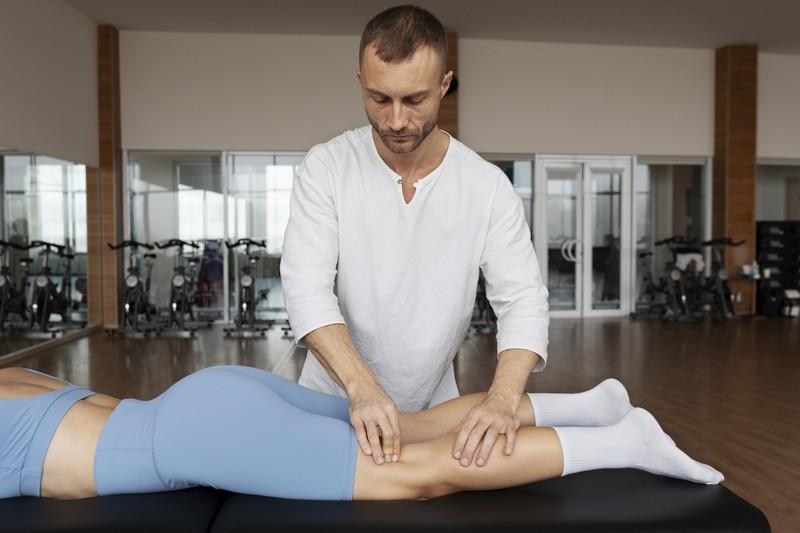
A hands-on technique where a practitioner applies sustained pressure to release restrictions in fascia.
2. Instrument-Assisted Soft Tissue Mobilization (IASTM)
Specialized tools are used to target deeper fascial adhesions and improve tissue quality.
3. Foam Rolling
A self-care method that applies pressure to large muscle groups to improve circulation and reduce stiffness.
4. Stretching with Intent
Not all stretching is equal. Slow, controlled stretching with proper breathing can help influence fascial tissue.
5. Movement-Based Therapies
Functional movement exercises help retrain the body to move efficiently after fascial restrictions are addressed.
The Role of Chiropractic Care in Fascial Health
Chiropractic care goes beyond spinal adjustments. It often includes soft tissue work that directly affects fascia.
At Elite Spine & Health Center, treatment plans may include:
- – Targeted chiropractic adjustments to improve joint alignment
- – Soft tissue therapy to release fascial restrictions
- – Postural correction strategies
- – Movement retraining exercises
- – Lifestyle and ergonomic recommendations
This integrated approach addresses both the structural and connective tissue components of movement dysfunction.
Fascial Chains: Why Everything Is Connected
Fascia doesn’t work in isolated pieces—it functions in interconnected lines or “chains.”
For example:
- – Tightness in the calves can affect the lower back
- – Shoulder pain can be linked to restrictions in the hips
- – Neck tension may originate from thoracic spine dysfunction
This is why treating only the painful area often fails. Effective care looks at the entire system.
Daily Habits That Support Healthy Fascia
Improving fascial health isn’t just about treatment—it’s about consistency in daily habits.
1. Stay Hydrated
Water keeps fascia supple and functional. Proper hydration supports nutrient exchange, reduces stiffness, and helps tissues glide smoothly, preventing adhesions and maintaining overall movement efficiency.
2. Move Frequently
Regular movement prevents fascia from stiffening. Changing positions, stretching, and light activity throughout the day stimulate circulation, keeping connective tissue flexible, responsive, and less prone to restriction.
3. Incorporate Mobility Work
Daily mobility exercises improve joint range and fascial elasticity. Controlled, intentional movements with proper breathing help restore tissue length, reduce stiffness, and support balanced, efficient movement patterns.
4. Use Self-Release Tools
Foam rollers and massage tools apply pressure to tight areas, improving circulation, breaking minor adhesions, and maintaining tissue quality between treatments, supporting flexibility and reducing everyday muscle tension.
5. Prioritize Recovery
Quality sleep and rest allow fascia to repair micro-damage. Recovery supports collagen remodeling, reduces inflammation, and ensures tissues remain resilient, adaptable, and capable of handling physical stress.
Who Can Benefit from Fascial Release?
Fascial work isn’t just for athletes—it benefits a wide range of individuals.
– Office workers with posture-related stiffness
– Athletes looking to improve performance
– Individuals with chronic pain
– Patients recovering from injury
– Anyone experiencing reduced mobility
If movement feels restricted or inefficient, fascia is worth addressing.
What to Expect During Treatment
A fascial-focused session may include:
– Assessment of movement patterns
– Identification of restricted areas
– Hands-on or instrument-assisted soft tissue work
– Chiropractic adjustments if needed
– Guided movement or corrective exercises
Treatment is personalized—there is no one-size-fits-all approach.
Frequently Asked Questions (FAQs)
1. Is fascial release painful?
It can be uncomfortable, especially in restricted areas, but it should not be unbearable. Most patients describe it as a “good pain” that leads to relief.
2. How many sessions are needed?
It depends on the severity of restriction and individual goals. Some people feel improvement after one session, while others need ongoing care.
3. Can I do fascial release at home?
Yes, tools like foam rollers and massage balls are effective for maintenance, but deeper restrictions often require professional treatment.
4. Is fascial release safe?
Yes, when performed by trained professionals. It is generally safe for most individuals.
5. How is it different from regular massage?
Massage often focuses on muscles, while fascial release specifically targets connective tissue restrictions and their impact on movement.
Conclusion
Fascia is one of the most important—and most overlooked—systems in the body. When it becomes restricted, it affects everything from mobility to pain to performance.
Releasing fascia doesn’t just make you feel better temporarily—it restores how your body moves as a whole. It improves coordination, reduces strain, and helps prevent future issues.
If you’ve been dealing with persistent tightness, limited mobility, or unexplained discomfort, addressing fascial health may be the missing piece in your recovery and performance.
If you’re ready to move better, feel better, and address the root cause of your discomfort, professional care can make a significant difference.
Elite Spine & Health Center offers personalized treatment plans designed to restore mobility, reduce pain, and improve whole-body function.
📍 Address:
Elite Spine & Health Center
2901 Wilcrest Dr #140
Houston, TX 77042
Located on the 2nd floor, behind Bank of America
📞 Phone Number: 346-808-8338
For appointments and inquiries
🌐 Website: https://elitespinehouston.com/
Take the first step toward better movement and long-term health—schedule your appointment today.