
TENS Unit Therapy: Benefits, Uses, and Side Effects
TENS unit therapy is one of the most common drug-free tools for managing pain, and it shows up everywhere from physical therapy clinics to home recovery kits. It can be a helpful part of a treatment plan, but like any therapy, it works best when you understand what it does, what it treats, and where its limits are. This guide walks through how TENS therapy works, the conditions it helps with, and the side effects to watch for so you can use it safely.
If you are dealing with ongoing pain in the Houston or Spring area, the team at Elite Spine & Health Center can help you figure out whether TENS therapy fits into a broader pain management plan.
What Is a TENS Unit and How Does It Work?
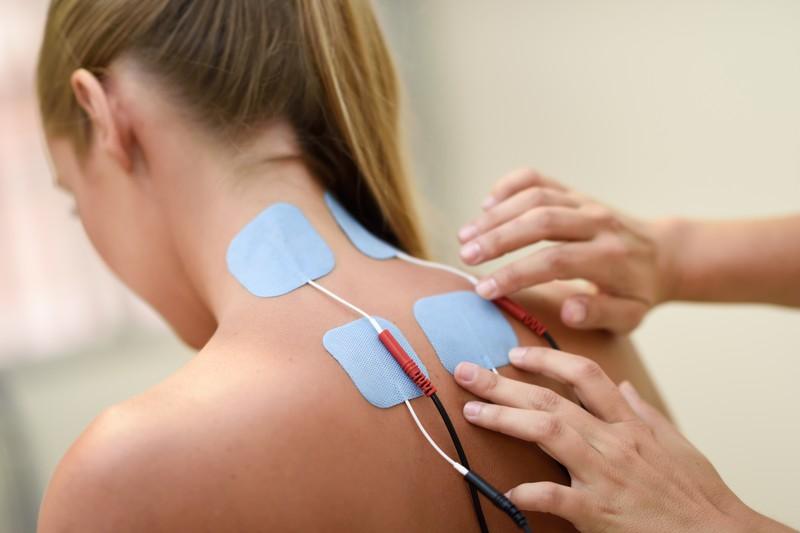
TENS stands for transcutaneous electrical nerve stimulation. A TENS unit is a small, battery-powered device that sends mild electrical pulses through sticky pads (electrodes) placed on the skin near the area of pain. Those pulses are thought to work in two main ways: they interrupt the pain signals traveling to your brain, and they may encourage the body to release endorphins, its natural painkillers.
It is a surface-level therapy, which means it stimulates the nerves rather than treating the underlying cause of pain. That is an important distinction, and it is part of why TENS is most effective alongside hands-on care like chiropractic adjustments or physical therapy.
Benefits of TENS Unit Therapy
People reach for TENS therapy because it offers a few clear advantages:
- Drug-free pain relief. TENS can reduce reliance on pain medication for some people, which is appealing for anyone managing long-term discomfort.
- Non-invasive. There are no needles, incisions, or recovery time involved.
- Adjustable intensity. You control the strength and frequency of the pulses, so the therapy can be tailored to your comfort.
- Improved circulation. The muscle stimulation may help promote blood flow to the treated area.
- Muscle relaxation. Gentle stimulation can help ease tension and muscle tightness.
- Supports rehabilitation. Used alongside exercise and manual therapy, it can help keep you moving during recovery.
- Convenient. Portable units let you continue therapy at home between clinic visits.
What Is TENS Therapy Used For? Conditions It Treats
TENS therapy is used for a wide range of acute and chronic pain conditions. It is not a cure, but it can take the edge off symptoms so you can stay active and engaged in your recovery. Common applications include:
- Back pain, including lower back tension and chronic discomfort
- Neck pain and stiffness
- Sciatica and nerve-related leg pain
- Sports injuries and muscle strains
- Arthritis and joint pain
- Post-surgical pain (under provider guidance)
- General muscle soreness and tension
Because so many of these conditions overlap with what we treat at Elite Spine, TENS often becomes one piece of a larger plan rather than a standalone fix. The right combination depends on what is actually driving your pain, which is why an exam matters.
TENS Machine Side Effects: What to Know
For most people, TENS therapy is well tolerated. Still, there are side effects and risks worth understanding before you start.
Common, usually mild side effects:
- Skin irritation or redness. The adhesive pads can cause redness, itching, or a rash where they sit on the skin. Moving the pad placement slightly and cleaning the skin can help.
- Allergic reaction to the electrodes. Some people react to the adhesive or gel on the pads. Hypoallergenic electrodes are an option if this happens.
- Muscle twitching or tingling. If the intensity is set too high, you may feel uncomfortable twitching. Lowering the setting usually solves it.
- A burning or stinging sensation. This can signal the intensity is too strong or a pad has lifted at the edge.
Less common but more serious risks:
- Skin burns. Rare, but possible if the device is misused, left on too long, or used with worn-out pads.
- Worsened pain. If TENS makes your pain worse rather than better, stop using it and check with a provider.
Side effects are usually a sign that something about the setup needs adjusting, not that TENS is unsafe for you. If irritation or discomfort keeps happening, it is worth having a professional review your pad placement and settings.
Who Should Avoid a TENS Unit? Safety Guidance
TENS is not right for everyone. You should talk to a healthcare provider before using a TENS unit if any of the following apply to you:
- You have a pacemaker, defibrillator, or other implanted electronic device
- You are pregnant (especially for placement over the abdomen or lower back)
- You have epilepsy or a seizure disorder
- You have a heart condition
Regardless of your health history, never place TENS pads:
- Over the front or sides of the neck (near the carotid arteries)
- On the head, eyes, or mouth
- Over broken, irritated, or numb skin
- Directly over the spine
- On both sides of the chest at the same time
Following placement and timing guidelines is the single biggest factor in keeping TENS therapy safe. When in doubt, ask a professional to show you the correct setup for your specific condition.
Getting the Most Out of TENS Therapy
A TENS unit is a tool, not a treatment plan. It manages symptoms, but it does not correct the spinal or muscular issues that often cause pain in the first place. That is why pairing it with care that addresses the root cause tends to produce better, longer-lasting results.
At Elite Spine & Health Center, we use TENS therapy as part of a personalized approach that may also include chiropractic adjustments, soft tissue work, and physical therapy. If you have been leaning on a TENS unit just to get through the day, that is usually a sign it is worth looking at what is driving the pain.
The most common side effects are mild skin irritation or redness where the pads sit, and occasional muscle twitching if the intensity is set too high. Serious side effects like skin burns are rare and usually tied to misuse. Most issues are solved by adjusting pad placement, intensity, or session length.
For most healthy adults, a TENS unit is safe when used correctly. It can be harmful if used over the wrong areas, such as the front of the neck or the chest, or by people with pacemakers, certain heart conditions, or epilepsy without medical clearance. Always follow placement and timing guidance.
A typical session runs about 15 to 30 minutes, though this varies by device and condition. Using it for too long or too often can lead to skin irritation. Your provider can recommend the right schedule for your situation.
Many people use TENS daily for chronic pain, but the skin needs breaks to avoid irritation. Rotating pad placement and following your provider’s guidance helps keep daily use safe.
TENS reduces the pain signals reaching your brain and may trigger natural endorphin release, so it provides real relief. It does not, however, treat the underlying cause, which is why it works best alongside care that addresses the source of the pain.
TENS should only be used during pregnancy with approval and guidance from your provider, and pads should not be placed over the abdomen or lower back. Always check first.