
Quick Summary
Good posture can influence comfort, mobility, and everyday movement. To improve posture, focus on healthy sleeping positions, appropriate pillows and mattresses, regular strengthening exercises, ergonomic adjustments, and frequent movement breaks. Planks, glute bridges, cat-cow stretches, wall sits, and balance exercises can help build strength and mobility. Paying attention to how you sit, stand, sleep, and lift can also encourage better movement patterns. If persistent pain or stiffness makes posture difficult to manage, professional evaluation can help identify contributing factors and guide personalized care.
Poor posture can lead to more than a slouched appearance. It can contribute to neck tension, back discomfort, stiffness, headaches, and reduced mobility. If you spend hours at a desk, use digital devices often, or wake up feeling stiff, your daily habits may be affecting your alignment.
The good news is that you can improve posture through a combination of better sleeping habits, targeted exercises, conscious movement, and ergonomic adjustments. Small changes can make a meaningful difference when practiced consistently.
Our approach focuses on helping you understand why posture problems develop and what you can do to address them. From choosing the right sleeping position to strengthening your core and back, these practical strategies can help you move with greater comfort and confidence.
Why Does Good Posture Matter?
Your spine is designed to support your body while allowing you to move freely. When your head, shoulders, hips, and spine stay properly aligned, your muscles can work more efficiently.
Poor posture can place extra stress on certain muscles and joints. Sitting for long periods with your head forward, rounding your shoulders, or frequently looking down at your phone can contribute to this strain.
Over time, poor alignment may contribute to:
- Neck and shoulder tension
- Lower back discomfort
- Headaches
- Muscle fatigue
- Reduced flexibility
- Limited range of motion
- Increased strain during everyday activities
Improving posture is not about holding yourself rigidly upright all day. It is about developing better movement habits and giving your body the strength and mobility it needs.
How Can Your Sleeping Position Affect Posture?
You spend several hours sleeping each night, so your sleeping position can influence how your spine feels when you wake up.
Sleeping on Your Back
For many people, sleeping on the back can help maintain a neutral spinal position. Your head should rest comfortably without being pushed too far forward by a thick pillow.
If you experience lower back discomfort, placing a pillow beneath your knees may help reduce strain and keep your spine in a more comfortable position.
Sleeping on Your Side
Side sleeping can also be comfortable, but your pillow should keep your head level with your spine. If your head drops toward the mattress or tilts upward, your neck can remain in an awkward position for hours.
A pillow between your knees can also help keep your hips and lower body aligned.
Sleeping on Your Stomach
Stomach sleeping can make proper alignment more difficult. Your head must turn to one side so you can breathe, which can place prolonged stress on your neck.
If you regularly wake up with neck or back stiffness, consider gradually transitioning to side or back sleeping.
Choose the Right Mattress and Pillow
Your mattress and pillow can influence how comfortably your body maintains alignment overnight.
A mattress that is excessively soft, sagging, or uncomfortable may cause your body to settle into an awkward position. Your pillow should also match your preferred sleeping position and keep your neck in a neutral position.
There is no single mattress or pillow that works for everyone. Pay attention to how your body feels when you wake up. Persistent morning stiffness may be a sign that your sleep setup needs attention.
Exercises That Can Help Improve Posture
Strength and mobility are important parts of good posture. Exercises that target your core, back, hips, and legs can help your body maintain better alignment during everyday activities.
1. Planks
Planks engage the abdominal and back muscles that help stabilize your spine.
Start in a push-up position or with your forearms on the floor. Keep your body in a straight line and avoid allowing your hips to drop or rise too high.
Beginners can start with short holds and gradually increase the duration as their strength improves.
2. Glute Bridges
Strong glutes can contribute to better pelvic stability and movement.
Lie on your back with your knees bent and your feet flat on the floor. Tighten your abdominal muscles and lift your hips toward the ceiling. Squeeze your glutes at the top, then slowly lower your hips.
Perform the movement slowly rather than using momentum.
3. Cat-Cow Stretch
The cat-cow movement can gently take your spine through different positions while encouraging mobility.
Start on your hands and knees. Slowly round your back toward the ceiling, then move into a gentle extension while keeping the movement controlled.
Avoid forcing your spine into either position. The goal is comfortable movement.
4. Wall Sits
Wall sits primarily strengthen the lower body, but they can also encourage awareness of spinal alignment.
Stand with your back against a wall and slowly lower your body until your knees are bent. Keep your back against the wall and your head facing forward.
Hold the position for a comfortable amount of time before returning to standing.
5. Single-Leg Romanian Deadlifts
This exercise challenges your balance while working your hips, legs, and core.
Stand with your feet about hip-width apart. Slowly extend one leg behind you as you hinge forward from your hips. Keep your back neutral and return to your starting position with control.
Use a stable surface for balance if needed. Proper technique matters more than the amount of weight used.
Improve Your Posture at Work
Your workstation can have a major effect on your posture. If you sit for several hours each day, small ergonomic changes can reduce unnecessary strain.
Try these adjustments:
- Keep your computer screen near eye level.
- Keep your feet flat on the floor when possible.
- Position your keyboard and mouse so your shoulders can remain relaxed.
- Avoid holding your phone between your ear and shoulder.
- Sit with your back comfortably supported.
- Change positions throughout the day.
- Take regular movement breaks.
You do not need to maintain one perfect sitting position for hours. In fact, regularly changing positions can be more helpful than trying to stay completely still.
Take Movement Breaks
Long periods of sitting can make your muscles feel tight and fatigued. Set reminders to stand, walk, stretch, or simply change positions throughout the day.
Even a few minutes of movement can break up extended periods of sitting.
If you work at a computer, try standing up during phone calls or taking a short walk between tasks. These habits can make movement a normal part of your workday instead of something you only do during exercise.
Pay Attention to How You Move
Posture is not limited to sitting and standing. The way you move in and out of bed, lift objects, carry bags, and perform household tasks can also affect your spine.
When getting out of bed, turn onto your side before using your arms to help yourself sit up. Avoid suddenly twisting your spine.
When lifting, keep the object close to your body and bend through your hips and knees rather than relying entirely on your lower back.
Being more conscious of these movements can help you develop healthier patterns over time.
What If Poor Posture Is Already Causing Pain?
Exercises and lifestyle changes can be useful, but persistent pain may require a closer evaluation.
Neck pain, back pain, stiffness, headaches, or restricted movement can have several possible causes. Poor posture may contribute to symptoms, but it may not be the only factor involved.
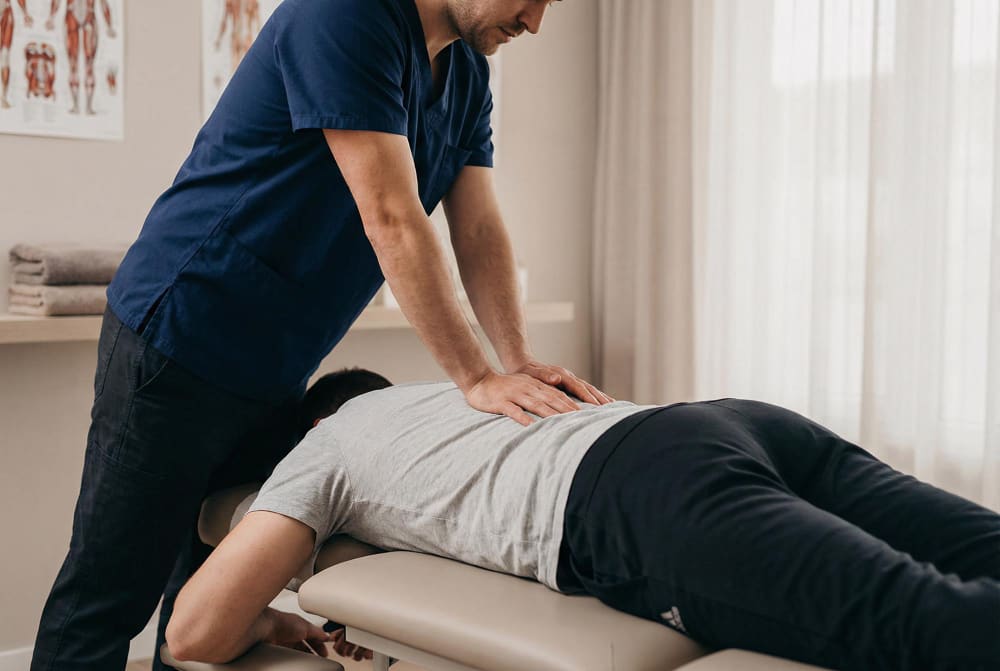
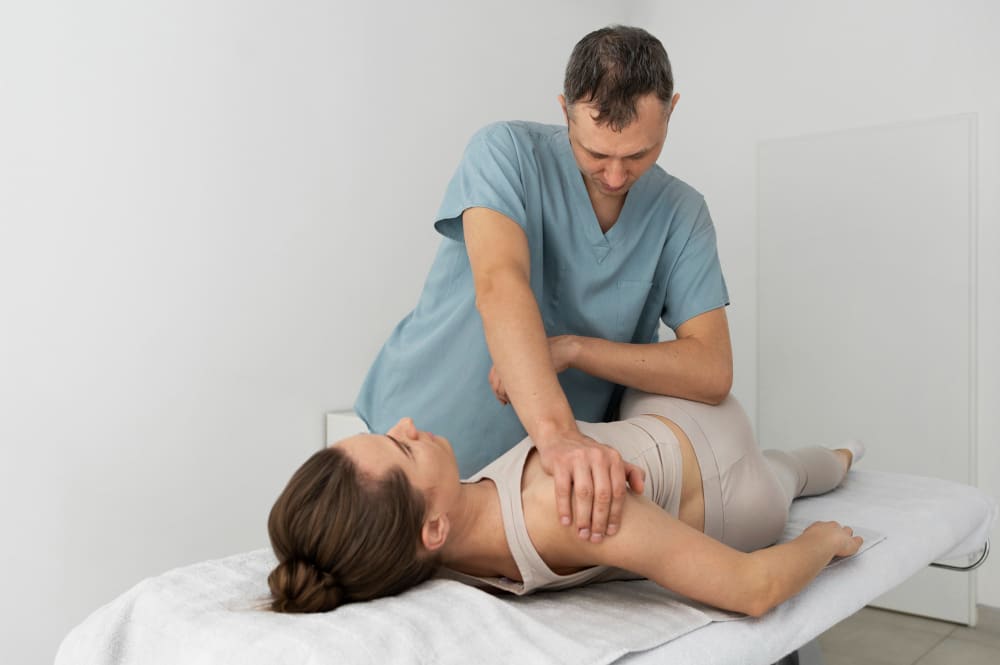
Our team can evaluate your movement and develop a personalized care plan based on your needs. Depending on your condition, care may include chiropractic treatment, physical rehabilitation, corrective exercises, or other appropriate therapies.
The goal is not simply to tell you to “sit up straight.” We want to help you understand the factors affecting your movement and work toward better function.
Improve Your Posture and Move With Greater Comfort
Better posture starts with everyday choices. Your sleeping position, exercise routine, workstation, and movement habits can all influence how your body feels and functions. You do not need to change everything overnight. Start with manageable adjustments and build healthier habits over time.
If pain, stiffness, or limited mobility is making it difficult to improve your posture on your own, our team can help identify potential contributing factors and create a plan suited to your needs.
Ready to Improve Your Posture?
At Elite Spine & Health Center, we combine personalized chiropractic care and physical rehabilitation to help you move better and work toward your health goals.
Contact us today to schedule an appointment and take the next step toward better posture and more comfortable movement.
Frequently Asked Questions About Improving Posture
There is no set timeline. It depends on your current posture, strength, mobility, daily habits, and consistency. Small improvements can develop as you practice healthier movement patterns regularly.
Your sleeping position can help your body maintain a more comfortable spinal alignment overnight. Choosing an appropriate pillow and sleeping position may also reduce morning stiffness.
Planks, glute bridges, cat-cow stretches, wall sits, and controlled single-leg exercises can help strengthen and mobilize areas involved in posture. Exercises should match your abilities and physical condition.
Poor posture can contribute to muscle and joint strain, which may play a role in neck or back discomfort. However, pain can have many causes, so persistent symptoms should be evaluated by a qualified professional.
Consider professional care if posture problems are accompanied by persistent pain, weakness, numbness, tingling, limited movement, or symptoms that interfere with daily activities.