
Quick Summary
Non surgical back neck pain care can include chiropractic treatment, spinal decompression, rehabilitation, soft tissue therapy, dry needling, laser therapy, corrective exercise, and lifestyle changes. The right approach depends on the cause and severity of your symptoms. Improving posture, staying active, taking movement breaks, and practicing healthy habits can also help manage strain. At Elite Spine & Health Center, we combine appropriate therapies into personalized care plans designed to address pain, improve mobility, and help patients return to their daily activities.
Back and neck pain can make simple activities feel difficult. Sitting at a desk, exercising, driving, sleeping, or even turning your head can become uncomfortable. Non-surgical back neck pain treatment offers conservative options for people who want to manage discomfort without immediately turning to an invasive procedure.
Pain may develop after an injury, from repetitive movements, poor posture, muscle tension, or changes in the spine. At Elite Spine & Health Center, we work with patients dealing with different types of back and neck discomfort. Our approach can include chiropractic care, rehabilitation, soft tissue therapies, spinal decompression, laser therapy, corrective exercises, and lifestyle guidance.
The right treatment depends on what is causing your pain. Understanding your options is a useful first step toward making informed decisions about your care.
What Causes Back and Neck Pain?
Back and neck pain can develop for many reasons. Some cases begin suddenly after an injury, while others develop gradually over time.
Common causes include:
- Poor posture: Long periods at a desk or looking down at a phone can place extra strain on the neck and back.
- Muscle strain: Lifting, repetitive movements, or sudden activity can strain muscles and surrounding tissues.
- Auto accidents: Whiplash and other injuries can affect the muscles, joints, and structures of the spine.
- Sports injuries: Repetitive movements and high-impact activities can contribute to pain and stiffness.
- Degenerative changes: Conditions such as arthritis or degenerative disc disease may affect spinal movement.
- Herniated or bulging discs: Disc changes can sometimes irritate nearby nerves and cause pain that travels into the arms or legs.
- Muscle tension: Stress can contribute to tight muscles, particularly around the neck and shoulders.
Symptoms can include soreness, stiffness, reduced range of motion, headaches, or pain that radiates into the arms or legs. Numbness, tingling, or weakness may also occur when nerves are involved.
Because symptoms can have different causes, persistent or significant pain deserves professional evaluation.
Why Consider Non-Surgical Care?
Surgery has a place in treating certain spinal conditions. However, it is not appropriate for every patient or every type of pain.
Non-surgical care focuses on conservative approaches that may help improve movement, reduce discomfort, and address contributing factors without an operation. Depending on the condition, care may include exercise, rehabilitation, chiropractic treatment, soft tissue therapy, or other non-invasive modalities.
Potential benefits of a non-surgical approach include:
- No surgical incision
- Little or no downtime from many treatments
- A gradual return to normal activities
- Treatment plans that can be adjusted as you progress
- Opportunities to address movement, strength, posture, and daily habits
Not every treatment works for every person. Our goal is to understand your condition and develop an approach that fits your needs rather than relying on a one-size-fits-all solution.
Non-Surgical Treatments for Back and Neck Pain
Different therapies can address different aspects of back and neck pain. We may combine several approaches based on your symptoms and goals.
Chiropractic Care
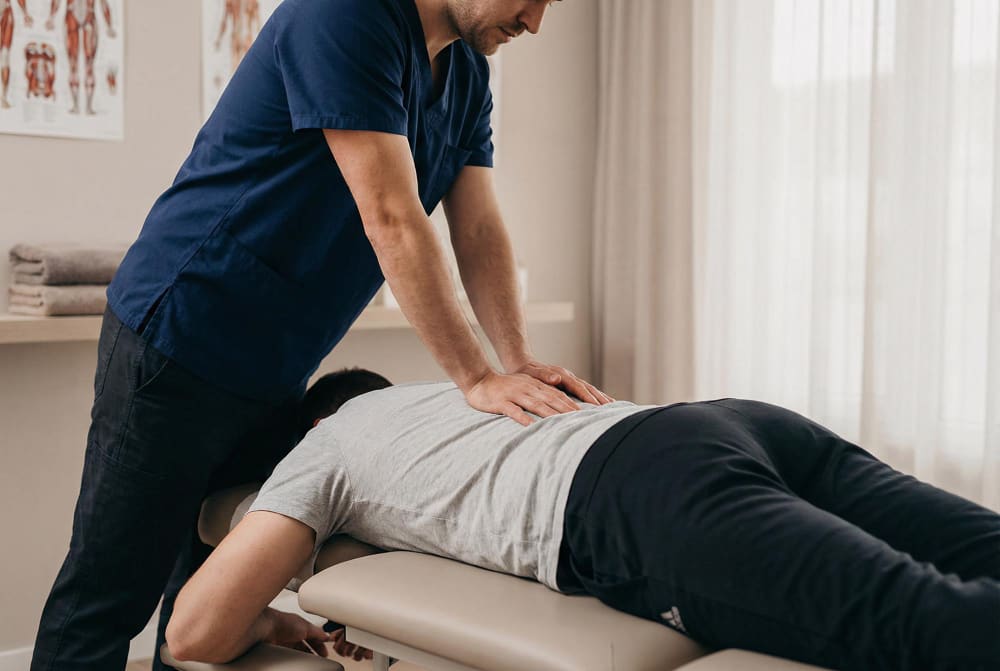
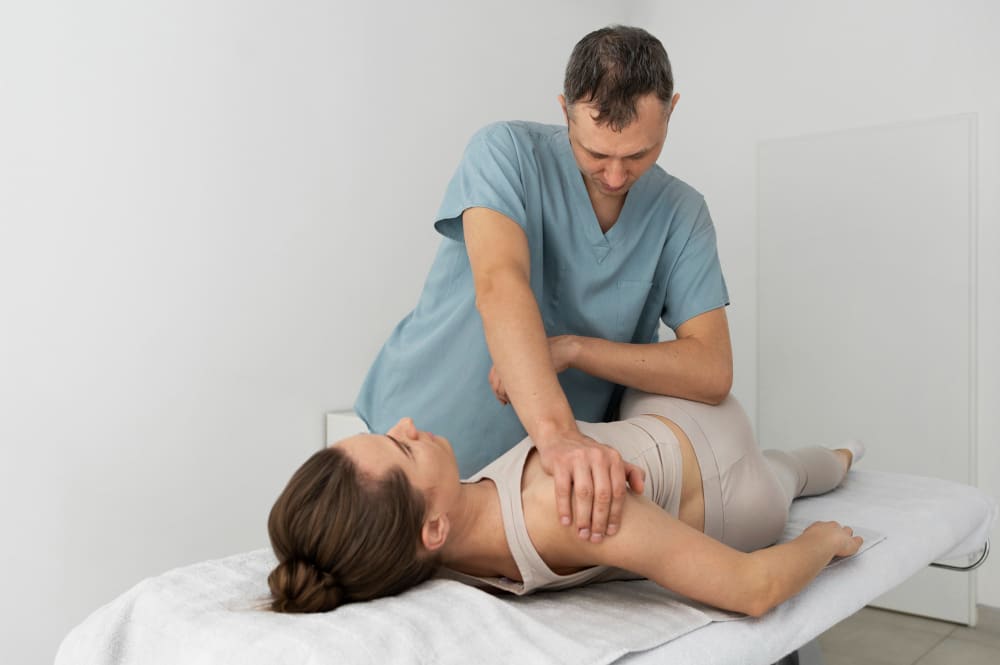
Chiropractic care uses hands-on techniques to address spinal and musculoskeletal concerns. Adjustments may help improve joint movement, reduce stiffness, and support normal function.
Our chiropractors may use manual or instrument-assisted techniques depending on the individual. Chiropractic care can also be combined with corrective exercises and other therapies as part of a broader treatment plan.
Spinal Decompression Therapy
Spinal decompression uses controlled stretching to gently reduce pressure around the spine. It may be considered for certain patients with disc-related conditions, including some cases of herniated or bulging discs.
The treatment is performed on a specialized table while the patient remains positioned comfortably. Your suitability for spinal decompression depends on your condition, symptoms, and clinical evaluation.
Physical Rehabilitation
Rehabilitation focuses on helping you improve strength, flexibility, balance, and movement.
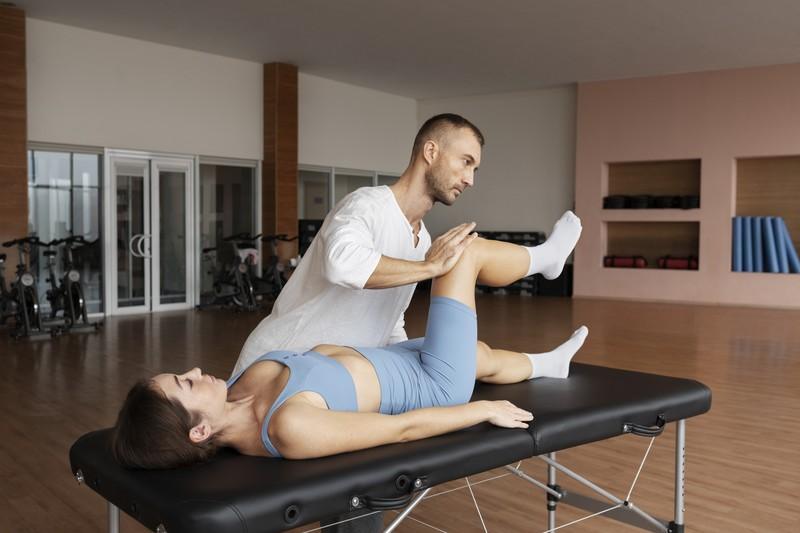
Our rehabilitation specialists can develop exercises around your specific needs. Depending on your condition, a program may include stretching, strengthening, stability work, and low-impact activity.
Rehabilitation can also teach you how to move more efficiently during everyday activities. This can be particularly useful when poor movement patterns or weakness contribute to recurring discomfort.
Soft Tissue Therapy
Muscle tension can contribute to pain and restricted movement. Soft tissue therapies can target areas of tightness and discomfort.
Massage therapy, trigger point therapy, and myofascial release may be used to relax tense muscles and improve mobility. These techniques can also complement chiropractic care and rehabilitation.
Dry Needling
Dry needling uses thin needles to target specific areas of muscular tension and trigger points. It may help reduce muscle tightness and improve movement for some patients.
Our providers consider your symptoms and overall condition when determining whether this therapy is appropriate.
Class IV Laser Therapy
Class IV laser therapy uses concentrated light energy as part of treatment for certain musculoskeletal conditions. It is a non-invasive modality that may be used to address inflammation, discomfort, and tissue recovery.
It can be incorporated into a broader care plan alongside rehabilitation or other therapies.
Corrective Exercise
Treating pain is only one part of recovery. Movement patterns, muscle imbalances, and poor posture can contribute to recurring problems.
Corrective exercise programs focus on improving these factors through targeted movements. Exercises may address core strength, posture, stability, flexibility, and functional movement.
We can adjust these programs as your strength and mobility improve.
Why Combining Therapies May Help
Back and neck pain rarely affects only one part of your body. A person with disc-related discomfort may also experience muscle tension and restricted movement. Someone with desk-related neck pain may have postural habits that contribute to recurring symptoms.
For this reason, combining therapies may offer a more comprehensive approach.
For example, a treatment plan may combine chiropractic care with spinal decompression and rehabilitation. Another patient may benefit from soft tissue therapy, corrective exercise, and ergonomic guidance.
We adjust treatment according to your condition and progress rather than automatically using the same combination for everyone.
Lifestyle Changes That Can Help
Your daily habits can influence how your back and neck feel. Small changes can make a difference when practiced consistently.
Improve Your Desk Setup
Keep your screen at a comfortable height and avoid constantly looking downward. Your chair and workstation should allow you to maintain a comfortable posture.
Take Regular Movement Breaks
Long periods in one position can increase stiffness. Stand up, walk around, or perform gentle stretches throughout the workday.
Exercise Regularly
Strength and mobility exercises can help your body handle everyday physical demands. Choose activities appropriate for your current fitness level and condition.
Pay Attention to Sleep
A comfortable sleeping position and supportive pillow can help reduce unnecessary strain on your neck.
Practice Safe Lifting
When lifting, use controlled movements and avoid suddenly twisting while carrying a heavy object.
Manage Stress
Stress can contribute to muscle tension, particularly around the neck and shoulders. Regular movement, relaxation techniques, adequate sleep, and healthy routines can help manage daily stress.
When Should You Seek Professional Care?
Occasional soreness may improve with rest and simple self-care. However, persistent, worsening, or recurring pain deserves attention.
You should also seek prompt medical evaluation if pain follows a significant injury or occurs with symptoms such as substantial weakness, numbness, or loss of normal function.
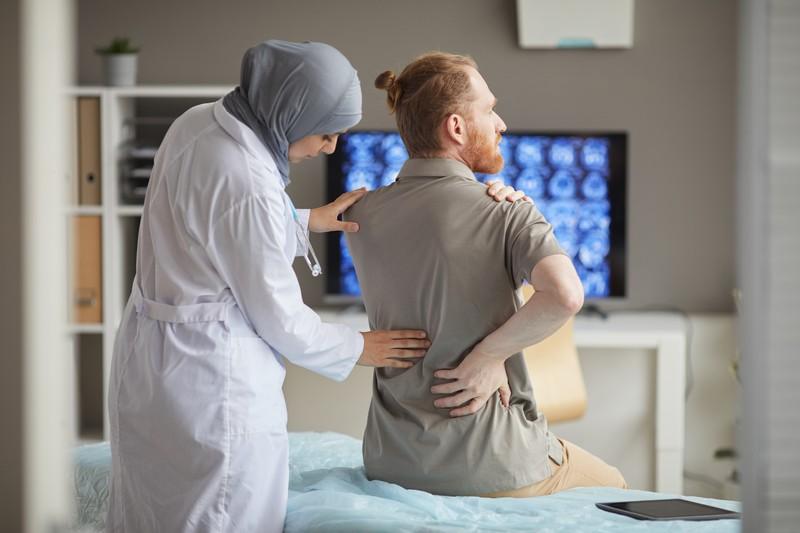
A professional evaluation can help identify potential causes and determine whether conservative care is appropriate. If your symptoms require a different type of medical attention, the appropriate provider can guide you toward the next step.
Find Non-Surgical Care for Back and Neck Pain
Persistent back or neck pain can interfere with work, exercise, sleep, and everyday activities. You do not always have to start with an invasive option. Conservative care may offer a practical path for managing many musculoskeletal concerns.
At Elite Spine & Health Center, we work with patients in Houston and Spring through personalized chiropractic care, rehabilitation, spinal decompression, soft tissue therapies, laser therapy, corrective exercises, and lifestyle guidance.
If back or neck pain is affecting your routine, contact us today to schedule an appointment. We can evaluate your concerns and discuss an appropriate approach to help you move more comfortably.
Frequently Asked Questions
Non-surgical treatment includes conservative approaches such as chiropractic care, rehabilitation, corrective exercise, soft tissue therapy, spinal decompression, and other appropriate modalities. The treatment depends on the cause of your symptoms.
It may help some people manage chronic pain and improve movement. Results vary based on the underlying condition, symptoms, health, and consistency with the recommended care plan.
No. Spinal decompression is not appropriate for every condition. An evaluation can help determine whether it is a suitable option for your symptoms.
Treatment timelines vary. Some people may notice changes relatively quickly, while others with longstanding or complex conditions may need a longer course of care.
Healthy movement habits, regular exercise, good ergonomics, proper lifting techniques, and appropriate sleep habits may reduce strain and help you maintain better mobility. They cannot prevent every cause of pain.