
Releasing Deep Muscle Tension for Better Posture and Mobility
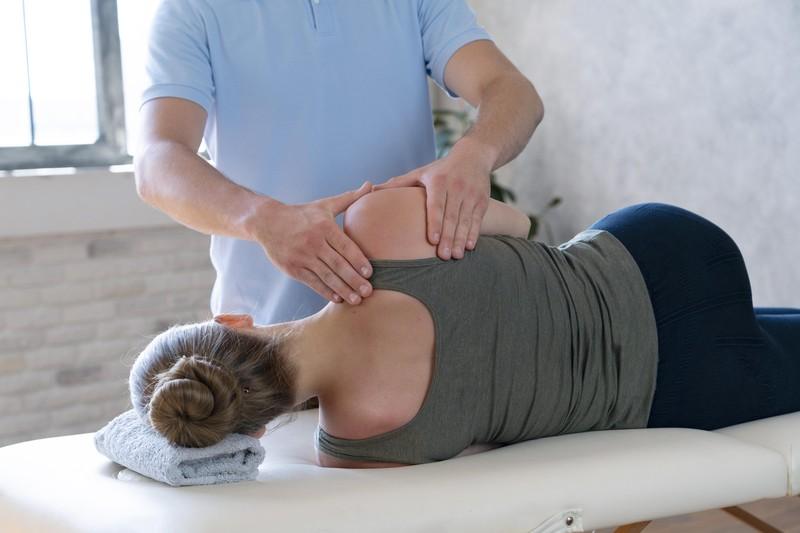
Deep muscle tension is a widespread health issue affecting millions of people worldwide, especially in modern societies where sedentary lifestyles dominate work and leisure activities. Many individuals experience chronic neck stiffness, shoulder pain, or lower back discomfort without fully understanding the root cause. Muscle tension is closely connected to lifestyle habits, emotional stress, poor ergonomics, and overall physical conditioning. Long hours of sitting, repetitive movements, and inadequate stretching contribute to muscle imbalance and reduced flexibility over time. If left untreated, chronic tension can lead to posture problems, nerve irritation, and decreased mobility.
At Elite Spine & Health Center – Spring TX, healthcare professionals specialize in diagnosing and treating musculoskeletal imbalances that contribute to chronic pain and poor posture. Their holistic treatment approach combines spinal adjustments, therapeutic exercises, and personalized care plans to help patients restore mobility, reduce pain, improve posture, and enhance overall physical well-being and quality of life.
This comprehensive guide explores:
What deep muscle tension is
Why posture and mobility decline
Medical and therapeutic treatment options
Lifestyle prevention strategies
Exercise rehabilitation methods
Frequently asked questions
Contact information and appointment details
What Is Deep Muscle Tension?
Deep muscle tension occurs when muscles remain partially contracted for long periods. Unlike normal exercise soreness, it often develops slowly and becomes a chronic condition without obvious injury. Muscles are designed to alternate between contraction and relaxation to maintain proper function and movement. However, stress, poor posture, repetitive physical activity, and inactivity can cause muscles to tighten excessively. Over time, this leads to the formation of trigger points or muscle knots. These knots restrict blood circulation, reduce oxygen supply to tissues, compress nearby nerves, and increase pain sensitivity. If untreated, deep muscle tension can lead to reduced mobility, chronic discomfort, and posture problems.
Biological Causes of Muscle Tightness
Muscle tension is influenced by several biological processes:
Reduced oxygen supply to muscle fibers
Inflammation caused by repetitive stress
Nervous system overactivation
Scar tissue development after injuries
When muscles cannot relax properly, mobility becomes limited and movement becomes uncomfortable.
Modern Lifestyle and Muscle Tension
Today’s lifestyle is one of the biggest contributors to muscle tension disorders due to prolonged sitting, poor ergonomics, excessive device use, lack of exercise, and high stress levels. These habits place continuous pressure on muscles and joints, causing them to remain in a contracted state for long periods. Over time, this leads to chronic muscle tightening, stiffness, and reduced flexibility. Poor posture while using computers or smartphones further increases strain on the neck, shoulders, and lower back. Without proper movement, stretching, and ergonomic support, these issues can develop into long-term musculoskeletal pain, mobility limitations, and recurring discomfort that affects daily activities.
Prolonged Sitting
Office workers and students often sit for 8–12 hours daily. Sitting for long periods places constant pressure on spinal discs and weakens core stabilizing muscles.
Technology Usage
Smartphones and laptops contribute to forward head posture. The head becomes positioned in front of the spine instead of directly above it, increasing neck muscle strain.
Emotional Stress
Emotional stress activates the body’s fight-or-flight response, causing muscles to tighten as a protective mechanism. Over time, this can result in chronic muscle guarding.
How Muscle Tension Affects Posture
Posture is directly influenced by muscle balance. When certain muscles become too tight while others weaken, the body compensates by shifting alignment, causing spinal stress, joint strain, reduced mobility, and discomfort. Poor muscle balance can lead to abnormal movement patterns, chronic pain risks, and decreased physical performance over time. Maintaining proper posture requires strong core muscles, flexible supporting muscles, and regular physical activity. Stretching, strengthening exercises, and professional therapy can help restore balance, improve spinal alignment, reduce pressure on joints and nerves, and support long-term musculoskeletal health, comfort, and overall body stability during daily activities and movement.
Forward Head Posture
Forward head posture is extremely common today. When the head moves forward even a few centimeters, neck and upper back muscles must work harder to support weight, leading to muscle fatigue, chronic stiffness, headaches, nerve irritation, reduced mobility, and long-term spinal misalignment if not corrected early.
This can lead to:
Chronic headaches
Jaw tension
Shoulder pain
Upper back stiffness
Rounded Shoulder Syndrome
Chest muscles tighten while back muscles weaken. This posture imbalance can restrict breathing capacity and upper body mobility.
Lower Back Strain
Tight hip flexors and weak abdominal muscles contribute to lumbar spine pressure. Lower back pain is one of the most common complaints among adults.
Signs You May Have Deep Muscle Tension
Recognizing early warning signs can help prevent chronic pain conditions by allowing timely treatment, reducing inflammation, preserving mobility, and protecting spinal health. Early intervention also improves posture, prevents muscle imbalances, and reduces the risk of long-term joint and nerve damage. Addressing symptoms early through therapy, exercise, and lifestyle changes supports better physical function, faster recovery, and long-term musculoskeletal health. Ignoring early signs may allow minor discomfort to develop into chronic pain conditions that are harder to treat and may significantly affect daily activities, movement quality, and overall quality of life over time.
Common symptoms include:
Persistent muscle stiffness
Reduced range of motion
Frequent tension headaches
Tingling sensations in arms or legs
Difficulty maintaining good posture
If symptoms persist for more than a few weeks, professional evaluation is recommended.
Professional Treatment Options
At Elite Spine & Health Center – Spring TX, patients receive personalized, holistic care designed to address both symptoms and root causes of pain and discomfort. Treatments focus on improving spinal alignment, relieving chronic pain, enhancing mobility, reducing inflammation, and supporting natural healing processes. Care plans are customized to each patient’s condition and lifestyle needs. Therapies also help restore proper nervous system function, improve posture, and prevent future injuries. By combining advanced chiropractic techniques, rehabilitation exercises, and wellness guidance, the clinic helps patients achieve long-term musculoskeletal health, improved physical performance, and better overall quality of life through preventive and therapeutic care solutions.
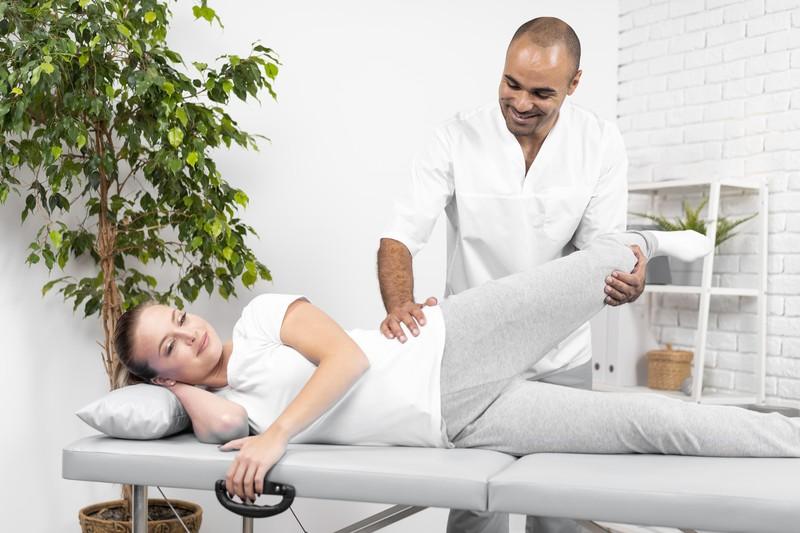
Chiropractic Adjustments
Chiropractic care focuses on spinal alignment restoration; misaligned vertebrae can irritate nerves, trigger muscle reflex tension, restrict mobility, cause chronic pain, and disrupt the body’s natural nervous system communication and balance.
Spinal adjustments help:
Improve joint mobility
Reduce nerve compression
Enhance nervous system communication
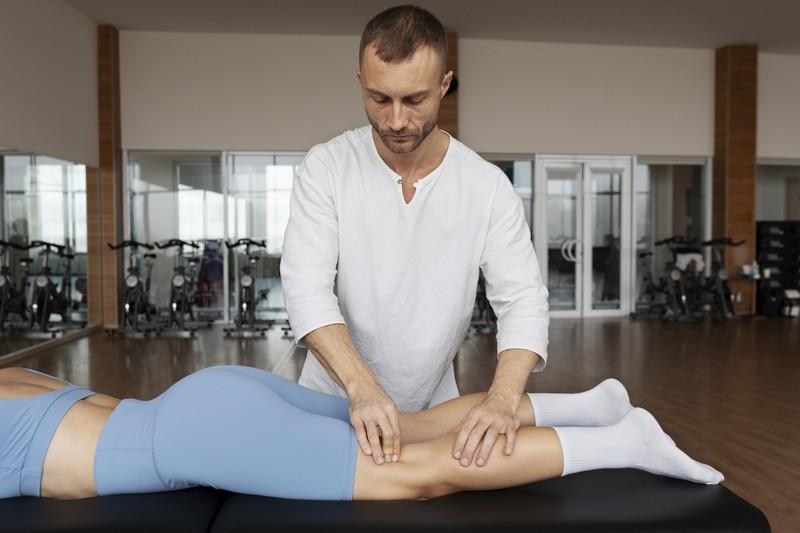
Deep Tissue Massage Therapy
Deep tissue massage is one of the most effective ways to release chronic muscle knots by applying firm pressure to deep muscle layers, improving circulation, reducing inflammation, and promoting faster muscle recovery and relaxation.
Benefits include:
Improved blood circulation
Reduced inflammation
Faster muscle recovery
Therapists apply slow pressure to break down adhesions and scar tissue.
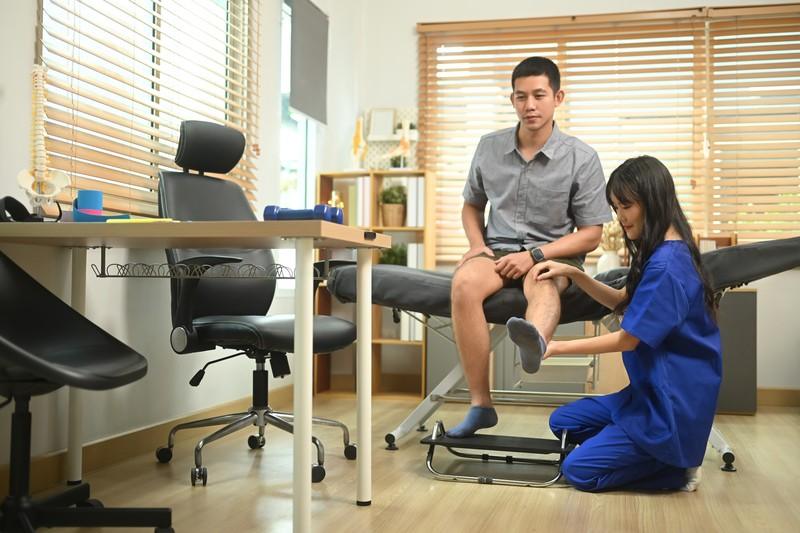
Physical Therapy Rehabilitation
Physical therapy focuses on:
Strengthening weak muscles
Improving joint stability
Restoring functional movement patterns
Rehabilitation programs are tailored to individual patient needs.
Spinal Decompression Therapy
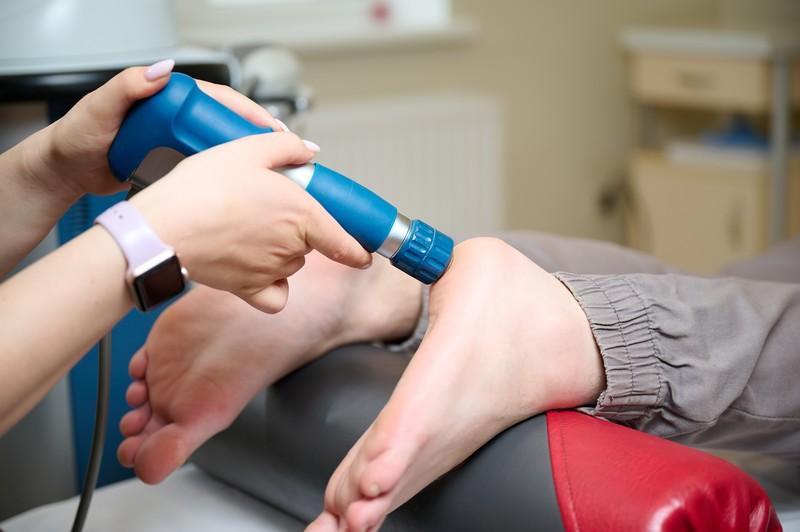
This treatment is often used for disc-related pain; it gently stretches the spine to reduce pressure on spinal discs, improve circulation, relieve nerve compression, and promote natural healing and spinal alignment.
Exercise and Stretching Therapy
Regular movement is essential for maintaining healthy muscles and supporting overall physical wellness. Staying active helps improve blood circulation, deliver oxygen and nutrients to muscle tissues, and remove metabolic waste products. Movement also helps prevent muscle stiffness, joint stiffness, and loss of flexibility that can occur with prolonged inactivity. Engaging in daily physical activity strengthens muscles, supports proper posture, and reduces the risk of chronic pain and injuries. Simple activities such as walking, stretching, or light exercise can significantly improve mobility and muscle function. Consistency is more important than intensity, and maintaining an active lifestyle promotes long-term strength, endurance, balance, and overall body health.
Recommended Daily Stretching Exercises
Neck Stretch
Gently tilt the head side to side while keeping shoulders relaxed.
Chest Opening Stretch
Place arms behind the back and gently lift to open chest muscles.
Hip Flexor Stretch
Step one foot forward into a lunge position.
Upper Back Stretch
Interlace fingers and push arms forward while rounding upper back.
Consistency matters more than intensity.
Nutrition for Muscle Recovery
Nutrition plays a major role in muscle repair and inflammation control by providing essential vitamins, minerals, protein, and healthy fats. These nutrients support tissue recovery, reduce muscle soreness, support joint function, and promote overall musculoskeletal health, strength, endurance, and long-term physical wellness and performance.
Essential Nutrients
Magnesium helps muscle relaxation and nerve transmission.
Protein supports tissue repair and muscle rebuilding.
Omega-3 fatty acids reduce inflammation.
Potassium maintains electrolyte balance.
Best Foods for Muscle Health
Spinach and leafy greens
Almonds and nuts
Salmon and fish
Eggs and lean meats
Bananas
Hydration is equally important since dehydration increases muscle stiffness.
Stress Management and Mental Health
Stress management is critical because emotional stress directly affects muscle tone, causing chronic muscle tightening, pain, reduced flexibility, poor posture, fatigue, and long-term mobility limitations. Effective stress control through relaxation, exercise, breathing techniques, and healthy habits helps reduce muscle tension, improve physical comfort, and support overall wellness.
Recommended stress reduction methods:
Meditation
Breathing exercises
Yoga therapy
Regular physical activity
Mind-body therapy has been shown to reduce chronic pain symptoms.
Ergonomic Workstation Setup
Proper workstation design can significantly reduce muscle strain by supporting natural posture, positioning monitors at eye level, using ergonomic chairs with lumbar support, keeping feet flat on the floor, and maintaining comfortable keyboard and mouse placement. These adjustments help reduce neck, shoulder, and back tension, improve circulation, enhance productivity, prevent repetitive strain injuries, and support long-term musculoskeletal health during extended work hours.
Ideal Setup Tips
Monitor at eye level
Feet flat on floor
Chair supporting lower back curve
Keyboard positioned close to body
Small ergonomic changes can produce significant long-term benefits.
Prevention Strategies
Preventing muscle tension is easier than treating chronic pain through regular exercise, proper posture, stretching routines, stress management, ergonomic workspaces, hydration, and early medical or therapeutic intervention for long-term health protection.
Maintain Active Lifestyle
Walking, swimming, and cycling are excellent low-impact exercises.
Avoid Long Sitting Periods
Stand or stretch every 30–60 minutes.
Sleep Properly
Use supportive pillows and mattresses to maintain spinal alignment during sleep.
Advanced Therapy Options
Some patients require advanced therapeutic interventions like spinal decompression, targeted rehabilitation, and specialized manual therapy to relieve chronic pain, restore spinal alignment, improve mobility, and support long-term musculoskeletal health, nerve function, posture correction, inflammation reduction, and overall physical wellness for better daily movement and comfort.
These may include:
Trigger point injections
Myofascial release therapy
Posture correction training
Neuromuscular therapy
These treatments are often combined for best results.
Who Should Seek Professional Care?
You should consider professional treatment if you experience:
Chronic pain lasting longer than 3 weeks
Mobility restrictions
Frequent headaches
Sports injuries
Work-related repetitive strain injuries
Early treatment improves long-term outcomes.
Why Choose Elite Spine & Health Center
Elite Spine & Health Center – Spring TX provides comprehensive musculoskeletal healthcare solutions.
📍 Address: Elite Spine & Health Center – Spring
18425 Champion Forest Dr, Suite 200
Spring, TX 77379
Located on the 2nd floor, behind Bank of America MapQuest
📞 Phone Number: 346-808-8338
🌐 Website: https://elitespinehouston.com/
Patients receive individualized care plans based on diagnostic evaluations and lifestyle factors.
Frequently Asked Questions (FAQs)
How long does it take to release deep muscle tension?
Results vary depending on severity. Some patients feel relief after one session, while chronic conditions require weeks of therapy.
Is chiropractic treatment safe?
Yes. Licensed professionals provide safe, controlled treatments.
Can stress really cause physical pain?
Yes. Chronic stress can trigger muscle contraction patterns.
How often should I receive therapy?
This depends on patient condition, but many people benefit from weekly sessions.
Do I need treatment if my pain is mild?
Early treatment helps prevent chronic conditions from developing.
Conclusion
Deep muscle tension is a major contributor to poor posture and limited mobility. With modern lifestyle habits becoming more sedentary, muscle health requires proactive care.
Combining professional treatment, exercise, nutrition, and stress management can dramatically improve quality of life. Maintaining spinal alignment and muscle flexibility is essential for long-term health.
At Elite Spine & Health Center – Spring TX, patients receive personalized musculoskeletal care designed to relieve pain and improve mobility.
Take control of your posture and muscle health today.
📞 Phone: 346-808-8338
🌐 Website: https://elitespinehouston.com/
📍 Visit: 18425 Champion Forest Dr, Suite 200, Spring, TX 77379
Schedule your appointment and start your journey toward pain-free movement and better posture now!