
Quick Summary
The Graston Technique is a form of instrument-assisted soft tissue mobilization that can be used for certain sports injuries, overuse conditions, and soft tissue restrictions. Specialized tools help practitioners work on affected tissues while promoting mobility as part of a broader recovery plan. The technique may be used for conditions involving the shoulders, elbows, knees, ankles, hips, and other areas. Treatment can be combined with stretching, strengthening exercises, and chiropractic care when appropriate. Learn how Graston Technique treatment works, what to expect during a session, and whether it may fit your recovery goals.
Just about everyone has had to deal with an injury at one point or another, but if you’re highly active or participate in sports, you are bound to deal with a variety of tissue, muscular, or musculoskeletal conditions. In 2020, the National Safety Council (NSC) estimated that over 1.2 million people, ranging from children to older adults, dealt with numerous injuries from activities like bicycling, exercising, basketball, swimming, football, soccer, and baseball.
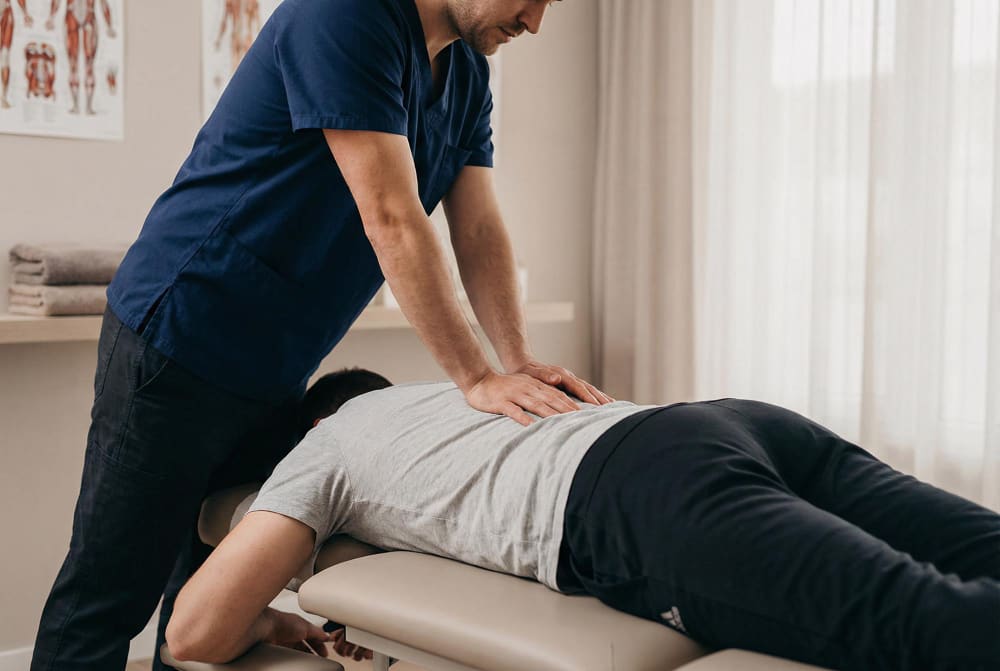
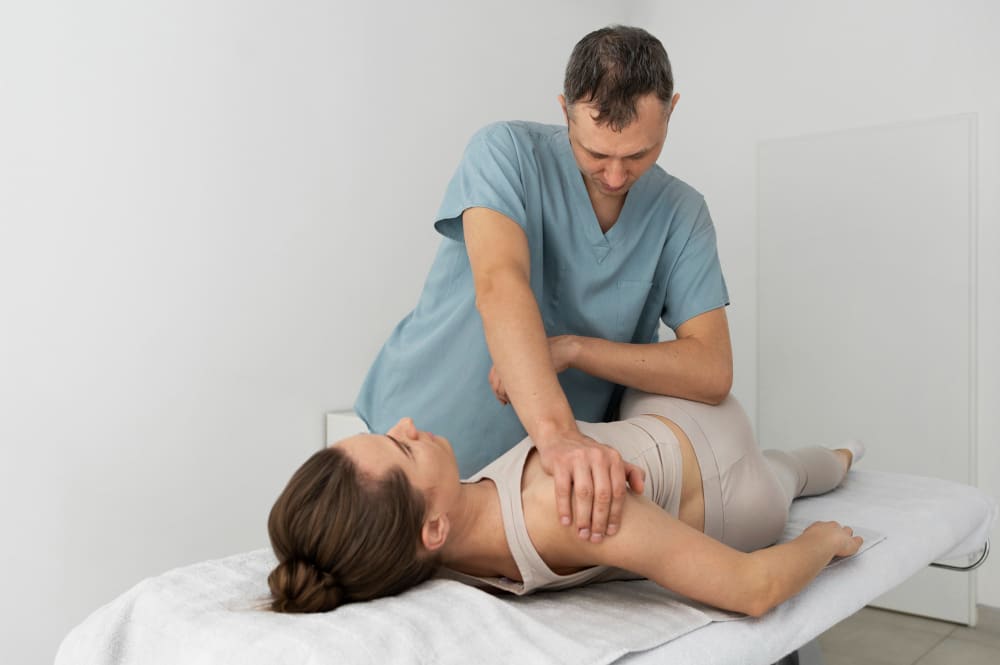
Manual therapy is the common name for many different types of hands-on, therapeutic treatments often used in treating sports injuries, which can be combined with other treatments to help you recover. If you’re dealing with injuries that leave scar tissue or other types of trauma to soft tissue, the Graston Technique® is a form of manual therapy that uses specialized instruments to work on affected soft tissues.
Let’s look at how the technique works, what injuries the method is designed to treat, and what the procedure itself is like.
How Does the Graston Technique Work?
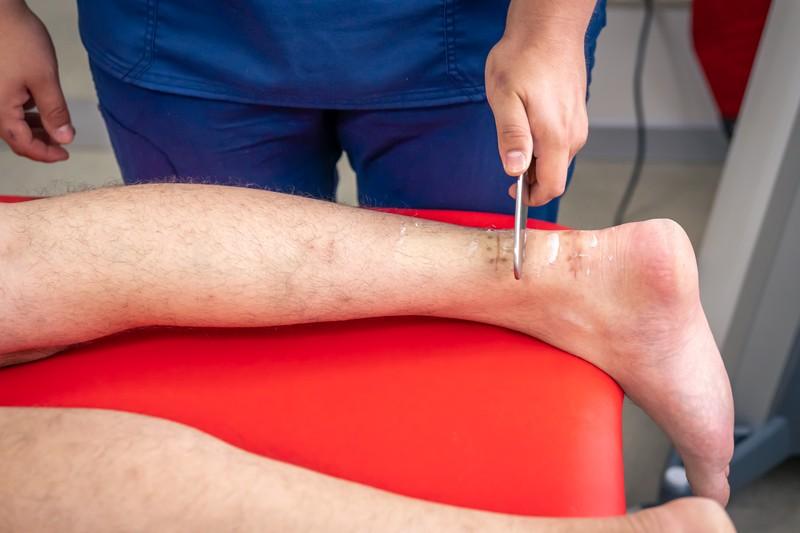
This method, also known as the instrument-assisted soft tissue mobilization (IASTM), can be performed with the bare hands, but is frequently done with a series of concave and convex stainless steel tools that are used to identify areas of soft tissue restriction and work on affected tissue. The treatment uses specific strokes and pressure over the affected area to address soft tissue restrictions and promote mobility.
The Graston Technique may be used alongside other rehabilitation approaches, including stretching, strengthening exercises, and chiropractic care, depending on the injury and individual treatment plan.
What Does it Treat?
This treatment can be used for a wide variety of soft tissue injuries:
Upper limbs
This treats frozen shoulder, carpal tunnel syndrome, shoulder impingement syndrome, medial epicondylitis (golfer’s elbow), de Quervain’s tenosynovitis (pain associated with thumb and wrist movement), and Dupuytren’s contracture (an illness where your fingers bend toward your palm).
Lower limbs
This method frequently treats calf pain, patellar tendinopathy, knee arthrofibrosis, Achilles tendinopathy, plantar fasciitis, hamstring tendinopathy, ankle instability, and limited hip or knee range of motion.
The Graston Technique may also be considered for certain overuse injuries and soft tissue restrictions that affect an athlete’s mobility or performance. A professional evaluation can help determine if this approach is appropriate for your condition.
What is the Procedure Like?
Before the treatment starts, you may spend a few minutes doing some cardiovascular work, such as treadmill walking or stationary cycling, and ultrasound or heat may be applied to warm up the tissue to be treated.
To begin, your practitioner will use one of the tools to scan and treat the affected area with specific massage techniques, which can last up to a minute per treated area.
Some discomfort can be expected during the treatment, which can be treated with ice. Stretching and strength exercises can be done in combination with the Graston Technique to help the healing along.
After treatment, some temporary soreness or tenderness may occur. Your practitioner can recommend appropriate aftercare based on the area treated and your condition.
Is the Graston Technique Right for a Sports Injury?
The Graston Technique may be an option for athletes dealing with certain soft tissue injuries, restricted mobility, or overuse problems. However, not every injury is appropriate for this type of treatment. A professional evaluation can help determine the cause of your pain and whether Graston Technique treatment fits your recovery plan.
If you’re dealing with soft tissue injuries, the Graston Technique is a safe, effective solution to relieve pain and heal injuries. If you’re ready to start the road to recovery, make an appointment with Elite Spine and Health Center today, our team will be happy to assist you.
Frequently Asked Questions About the Graston Technique
The Graston Technique is a form of instrument-assisted soft tissue mobilization used to address soft tissue restrictions and mobility problems. It may be included in treatment plans for certain sports and overuse injuries.
Some patients experience discomfort or tenderness during or after treatment. Your practitioner can adjust the technique based on your tolerance and treatment needs.
Treatment time varies depending on the affected area and your overall treatment plan. The instrument work on each treated area may take only a short amount of time before stretching or exercises are performed.
Yes. Graston Technique may be combined with chiropractic care, stretching, strengthening exercises, and other therapies when appropriate for your condition.