
Quick Summary
Myofascial release is a targeted form of manual therapy that works on areas of muscle and fascial tension. It differs from general massage because it focuses more specifically on restricted tissues and trigger points. The technique may help reduce muscle tightness, improve range of motion, ease soft tissue discomfort, and complement injury rehabilitation. At Elite Spine & Health Center, we may combine myofascial release with chiropractic care, rehabilitation, corrective exercises, and other therapies to create a personalized approach based on your needs.
Muscle tightness can make everyday movement uncomfortable. You may notice stiffness in your neck, shoulders, back, hips, or legs. Sometimes, the source of that discomfort is not obvious. Tight muscles, repetitive movements, poor posture, stress, and previous injuries can all contribute to ongoing tension.
Myofascial release is a form of manual therapy that focuses on the fascia and surrounding soft tissues. It is often used to address areas of tightness, tenderness, and restricted movement.
At Elite Spine & Health Center, we use myofascial release as part of personalized care for patients dealing with muscle and soft tissue discomfort. Depending on your needs, we may combine it with chiropractic care, rehabilitation, corrective exercises, or other therapies.
What Is Myofascial Release?
Fascia is a connective tissue that surrounds and connects muscles, nerves, organs, and other structures throughout the body. Healthy fascia is flexible and allows tissues to move smoothly.
Injuries, repetitive stress, prolonged positions, and muscle tension can affect how these tissues move. Areas may become tight or tender, and sensitive spots known as trigger points can develop within muscles.
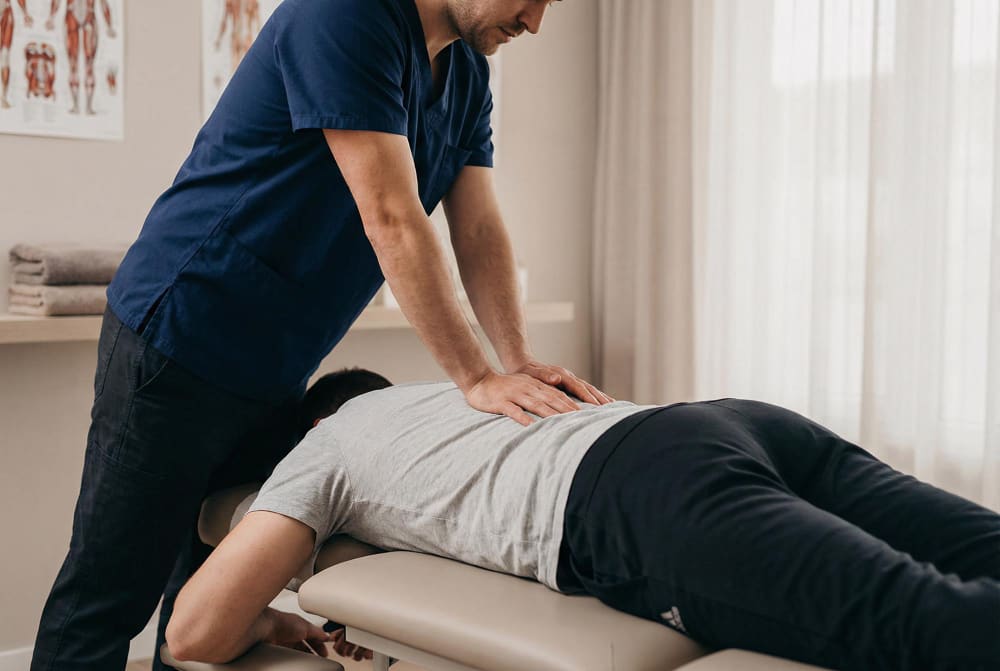
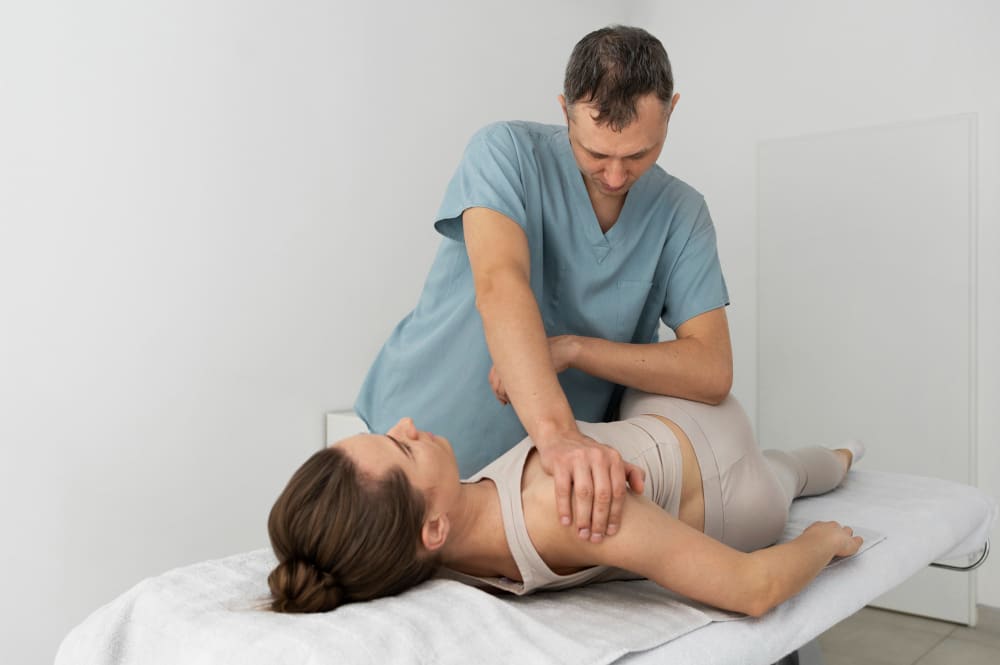
Myofascial release uses controlled manual pressure to work on areas of tension. The goal is to help relax tight tissues, improve movement, and reduce discomfort.
The technique may be performed with the hands, fingers, elbows, or certain tools. The approach depends on the area being treated and the individual receiving care.
Is Myofascial Release the Same as Massage?
Myofascial release and massage are both forms of manual therapy, but they are not exactly the same.
Massage therapy is a broad category that includes many techniques. Depending on the type, massage may focus on relaxation, general muscle tension, circulation, stress reduction, or specific areas of discomfort.
Myofascial release has a more targeted focus. It works on areas of restricted or tense fascia and muscles, including trigger points that may contribute to discomfort or limited movement.
There can be some overlap between the techniques. However, the specific goals and methods can differ.
For example, someone seeking general relaxation may choose a traditional massage. Someone experiencing persistent muscle tightness or restricted movement may benefit from a more targeted manual therapy approach.
Your needs and symptoms should guide the choice of treatment.
What Causes Myofascial Pain and Muscle Tension?
Myofascial discomfort can develop for several reasons. Repeated muscle contractions and ongoing stress on the body may contribute to sensitive areas within the muscles.
Common contributing factors include:
- Acute muscle injuries
- Repetitive movements
- Overuse
- Poor posture
- Prolonged sitting or standing
- Stress-related muscle tension
- Sports activities
- Previous injuries
- Maintaining the same position for extended periods
For some people, discomfort remains localized. For others, pain can be felt in an area away from the original source. This is sometimes referred to as referred pain.
Symptoms may include aching or tight muscles, tenderness, stiffness, reduced range of motion, or sensitive trigger points.
Because several conditions can cause similar symptoms, persistent or significant pain should be evaluated by an appropriate healthcare professional.
How Does Myofascial Release Work?
During a session, we first identify areas of tension or sensitivity. We then apply controlled pressure to the affected tissues.
The pressure may be slow and sustained rather than rapid. As the tissue begins to relax, we may gradually work through the area to help improve mobility.
Treatment can focus directly on a trigger point or on surrounding muscle and fascial tissues. This approach recognizes that discomfort in one area can sometimes involve connected muscle groups.
You may experience some tenderness during or after treatment. The amount of pressure can be adjusted based on your comfort and the area being treated.
The specific technique, duration, and number of sessions depend on your symptoms, goals, and response to treatment.
What Areas Can Myofascial Release Treat?
Myofascial release can be used on many areas of the body where muscle and soft tissue tension are present.
Common treatment areas include:
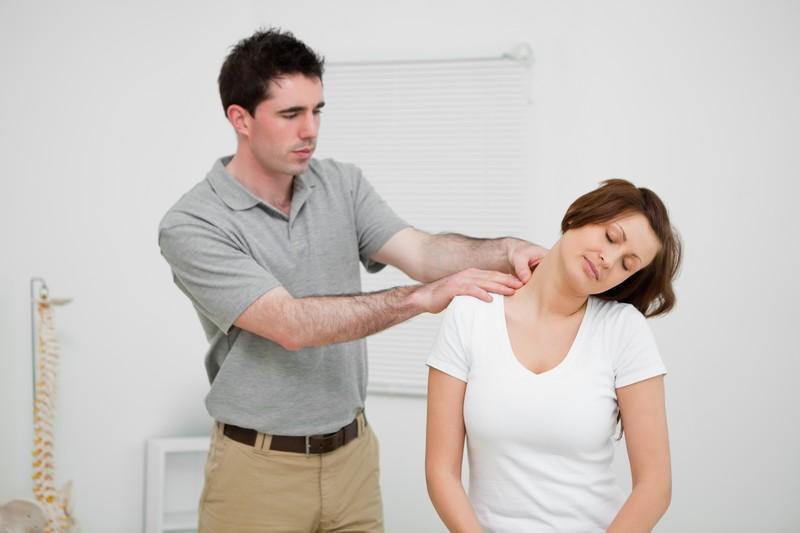
- Neck: Tightness can develop from desk work, screen use, stress, or poor posture.
- Shoulders: Repetitive activity and prolonged sitting can contribute to shoulder tension.
- Back: Muscle tension and restricted movement can affect the upper and lower back.
- Hips: Sitting for long periods or repetitive activity can contribute to tightness around the hips.
- Jaw: Muscle tension around the jaw may contribute to discomfort and restricted movement.
- Calves: Exercise and repetitive activity can leave the calf muscles tight or sore.
- Feet: Overuse and repetitive stress can affect the muscles and connective tissues around the feet.
The appropriate treatment area depends on your symptoms and physical assessment.
What Conditions May Benefit From Myofascial Release?
Myofascial release may be incorporated into care for various musculoskeletal and soft tissue concerns.
Depending on the individual, it may be used as part of treatment for:
- Myofascial pain
- Muscle tightness
- Restricted range of motion
- Overuse injuries
- Low back discomfort
- Neck and shoulder tension
- Sports-related muscle tightness
- Postural strain
- Some repetitive stress conditions
It may also be combined with other treatments when multiple factors contribute to a patient’s symptoms.
For example, someone with recurring neck tension may benefit from myofascial release alongside corrective exercises and ergonomic guidance. An athlete dealing with muscle tightness may use it as part of a broader rehabilitation program.
Potential Benefits of Myofascial Release
The benefits can vary from person to person. Depending on the underlying problem, myofascial release may help:
Reduce Muscle Tension
Targeted pressure can help relax areas of tight muscle and soft tissue.
Improve Range of Motion
Reducing restrictions in muscles and fascia may make certain movements easier.
Ease Soft Tissue Discomfort
Working on sensitive areas may help reduce discomfort associated with muscle tension and trigger points.
Support Injury Recovery
Myofascial release can be incorporated into rehabilitation for certain soft tissue and overuse concerns.
Promote Relaxation
Manual therapy may also help people relax, particularly when stress contributes to muscle tension.
The goal is not simply to treat one sore spot. We look at how your symptoms affect movement and how different areas of the body may be connected.
What Should You Expect During a Session?
Your session begins with an assessment of your symptoms and areas of concern. We identify tight or sensitive tissues and determine an appropriate treatment approach.
During treatment, we use our hands or other appropriate tools to apply gradual pressure to the affected areas. You may feel pressure or mild tenderness as we work through areas of tension.
After treatment, the area may feel temporarily sore. Many people describe the treated muscles as feeling more relaxed or mobile afterward, although individual responses vary.
The length and frequency of treatment depend on your condition and goals. Some people may need only a limited number of sessions, while others may benefit from a longer treatment plan.
We can adjust your care as your symptoms and mobility change.
Myofascial Release as Part of a Broader Care Plan
Manual therapy is not always the only component of effective musculoskeletal care.
At Elite Spine & Health Center, we may combine myofascial release with other services based on your needs. These may include chiropractic care, physical rehabilitation, corrective exercises, dry needling, or other appropriate therapies.
Exercises can help build strength and improve movement patterns. Ergonomic guidance can address habits that contribute to recurring tension. Chiropractic care may address certain joint and spinal concerns.
Combining appropriate approaches allows us to address more than the immediate sensation of tightness.
Can You Use Myofascial Release at Home?
Some self-care techniques can complement professional treatment. Gentle stretching, regular movement, and appropriate mobility exercises may help maintain comfortable movement between sessions.
Foam rollers and massage balls are also commonly used for self-myofascial techniques. However, more pressure is not necessarily better. Aggressive pressure can aggravate already irritated tissues.
If you are unsure which techniques are appropriate for your condition, ask a qualified professional for guidance. This is particularly important if you have an injury or persistent pain.
Find Out if Myofascial Release Is Right for You
Persistent muscle tightness can affect how you work, exercise, sleep, and move through your day. You do not have to simply work around discomfort.
At Elite Spine & Health Center, we use myofascial release as part of personalized care for patients dealing with muscle tension, soft tissue discomfort, restricted movement, and certain injury-related concerns. Our team can combine manual therapy with chiropractic care, rehabilitation, corrective exercise, and other appropriate treatments based on your needs.
If muscle tightness or discomfort is affecting your daily life, contact us today to schedule an appointment. We can evaluate your concerns and discuss whether myofascial release may be appropriate for your care plan.
Frequently Asked Questions
You may experience pressure or some tenderness while tight areas are being treated. We can adjust the technique and pressure based on your comfort and individual needs.
Session length varies depending on the treatment plan and areas being addressed. Your provider can recommend an appropriate duration based on your condition.
There is no universal number of sessions. Your treatment schedule depends on the cause of your symptoms, their severity, your goals, and how you respond to care.
It may help address muscle and soft tissue tension in the back and neck. We may also combine it with exercises or other therapies when appropriate.
Not necessarily. The two therapies have similarities, but their goals and techniques can differ. Myofascial release is more specifically focused on areas of fascial and muscular restriction.