
Quick Summary
Losing weight can offer important long-term health benefits, especially when weight loss comes from sustainable nutrition and physical activity changes. This article examines how maintaining a healthy weight may support joint health, mobility, blood pressure, cardiovascular health, sleep, mood, energy, confidence, and overall wellness. It also discusses how excess weight can contribute to health and musculoskeletal concerns. People who experience pain or difficulty exercising may benefit from professional guidance. Elite Spine and Health Center can discuss appropriate care options for patients in Houston and Spring, Texas, while helping address certain musculoskeletal concerns.
Weight gain is a problem for millions, and according to the World Health Organization (WHO), since 1975, obesity has tripled across the globe affecting 650 million adults and 39 million children. In America, over 40% of adults and nearly 20% of children struggle with being obese, and the health risks increase with the weight.
Obesity increases the risk of many serious conditions, but fortunately, it can be managed. Even modest weight loss may benefit your health, particularly when it is achieved through sustainable lifestyle changes. Losing weight can make a major difference both in your health and in your lifestyle, even if it’s 5-10 pounds.
Let’s examine this problem by looking at the complications of gaining weight, the importance of committing to weight loss, and the long-term health benefits of losing weight.
If you live in Houston or Spring, Texas, and you’re struggling to lose weight, our skilled team at Elite Spine and Health Center have the expertise to help.
Complications of Weight Gain
Bad dietary habits and inactivity are often causes of obesity, but hormonal, genetic, and metabolic problems can also lead to an excess of weight even if you’re active. People struggling with obesity can find themselves struggling with serious conditions like cardiovascular disease, diabetes, obstructive sleep apnea, osteoarthritis, several digestive problems, and severe complications from COVID-19.
Cancers of the digestive tract (colon, esophagus, rectum, intestines) as well as the gallbladder, kidneys, pancreas, prostate, cervix, ovaries, and breasts increase in people dealing with obesity.
Excess weight can also place additional stress on the musculoskeletal system. This may contribute to joint discomfort and make physical activity more difficult.
Committing to Weight Loss
Weight loss is a commitment to better health, and regardless of what regimen you’re using to achieve this goal, it will include a change in diet and an increase in exercise and general physical activity. This means making sure you’re ready for the changes you’re about to make and sticking with it, finding a motivation to keep going, and making realistic goals to reach.
A healthier diet and increase in exercise can’t make the change you want if you can’t dedicate yourself to wanting it to happen and staying with it.
A sustainable approach is often more useful than short-term dieting. Your goals should account for your current health, activity level, nutrition, and individual needs.
Benefits of Keeping the Weight Off
Losing weight and keeping it off can have a number of life-changing benefits, including:
- Reduced stress on your bones and joints: Less weight means less pressure on your body to do basic things, and less work for your bones and joints
- Improved blood pressure: Obesity raises blood pressure leading to hypertension and other problems, lower weight helps to keep that in check
- Reduced chances of cardiovascular disease: Heart problems often result from problems related to weight, and reducing the pounds means lowering your risk
- Better mobility: Simply put, stress on your body from weight means being able to move better, and work to stay fit easier
- Better rest: Illnesses like sleep apnea can result from obesity and losing weight helps to reduce symptoms and increase quality of sleep
- Improved mood: Obesity can lead to depression and anxiety, and shedding pounds can help reduce these mood problems
- Better sex life: Too much weight can affect your interest and ability to have sex, and losing it can help you regain both
- More energy: Carrying the extra pounds makes it harder for you to want to do things to stay active, and weight loss can give you your energy back
- Less stress and anxiety: Being more active not only improves your physical health, it helps relieve stress and lower problems with anxiety
- Improved confidence: Being thinner, healthier and more able to do the things you want can do wonders for your self-esteem
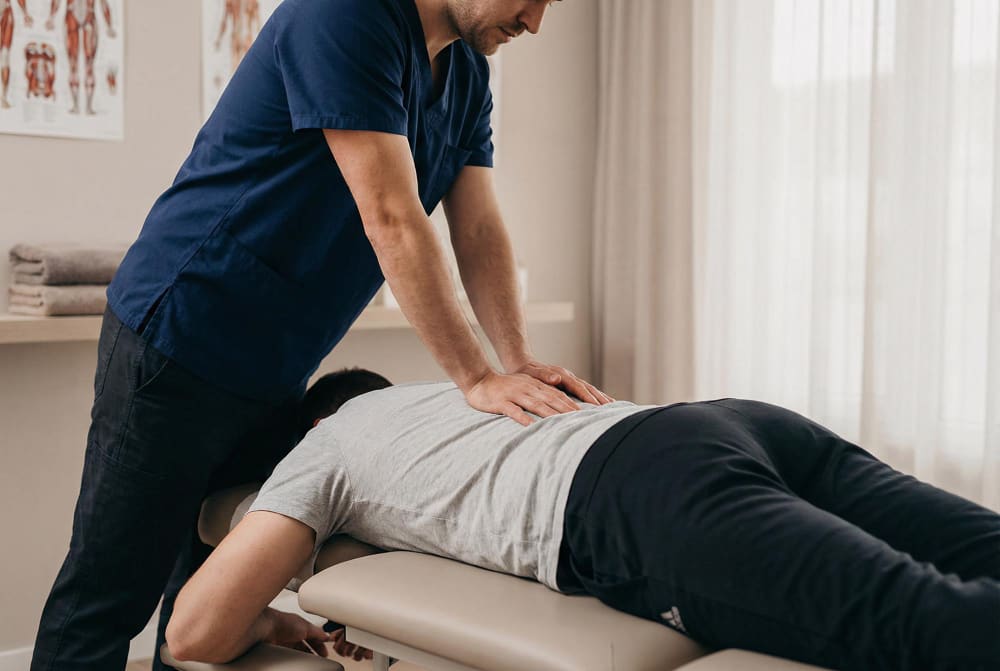
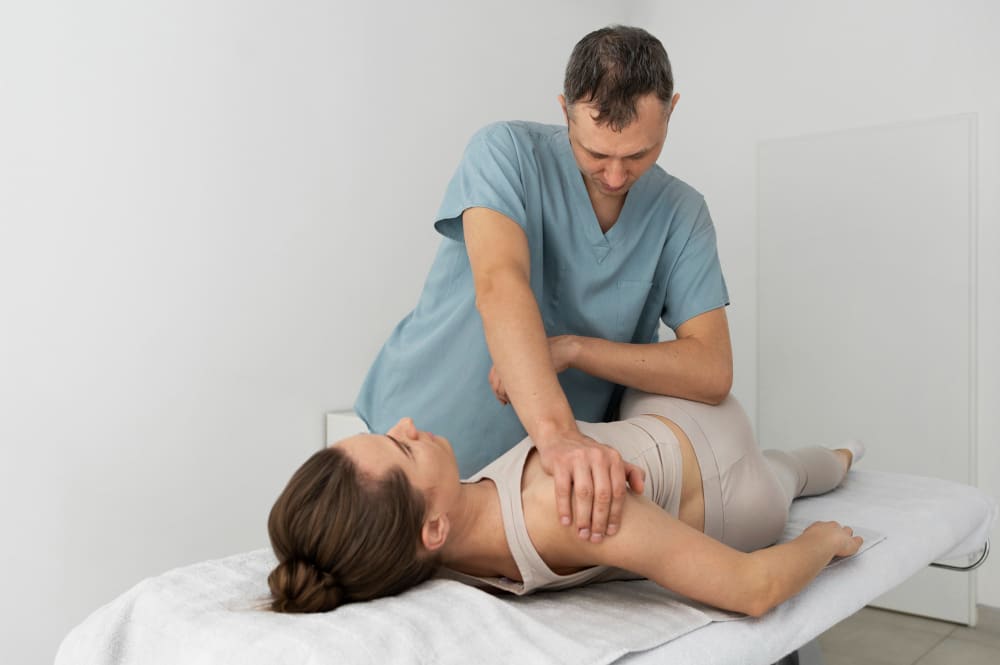
For people experiencing joint or musculoskeletal discomfort, gradual weight loss may also make movement and physical activity more comfortable. Regular activity can then help support strength, flexibility, and mobility.
How Weight Loss Can Support Joint Health
One of the important long-term health benefits of losing weight is reduced stress on weight-bearing joints. The knees, hips, ankles, and lower back absorb forces during everyday activities such as walking, climbing stairs, and exercising. Maintaining a healthy weight can make movement easier and may help reduce strain on these areas.
If joint or back pain makes exercise difficult, a healthcare professional can help you identify appropriate activities based on your symptoms and physical condition.
Start Working Toward Better Health
Less weight leads to better health, and in many cases a longer life. If you’re struggling to reach this goal for yourself, we can help. At Elite Spine and Health Center, our team can discuss your musculoskeletal health, activity goals, and appropriate care options.
If you’re ready to take the first step to a healthier you, make an appointment with our team at Elite Spine and Health Center today.
Frequently Asked Questions About Losing Weight
Long-term health benefits of losing weight can include improved mobility, reduced stress on joints, better blood pressure, improved sleep, increased energy, and a lower risk of certain weight-related health conditions.
Weight loss can reduce the amount of stress placed on weight-bearing joints. This may make movement more comfortable, particularly when combined with appropriate physical activity and other healthy habits.
There is no single amount that applies to everyone. Even modest weight loss may offer health benefits. A healthcare professional can help you establish a realistic goal based on your individual health needs.
Chiropractic care does not directly cause weight loss. However, chiropractic treatment may help address certain musculoskeletal concerns that make movement or exercise uncomfortable. Talk with a qualified chiropractor about whether care is appropriate for your needs.