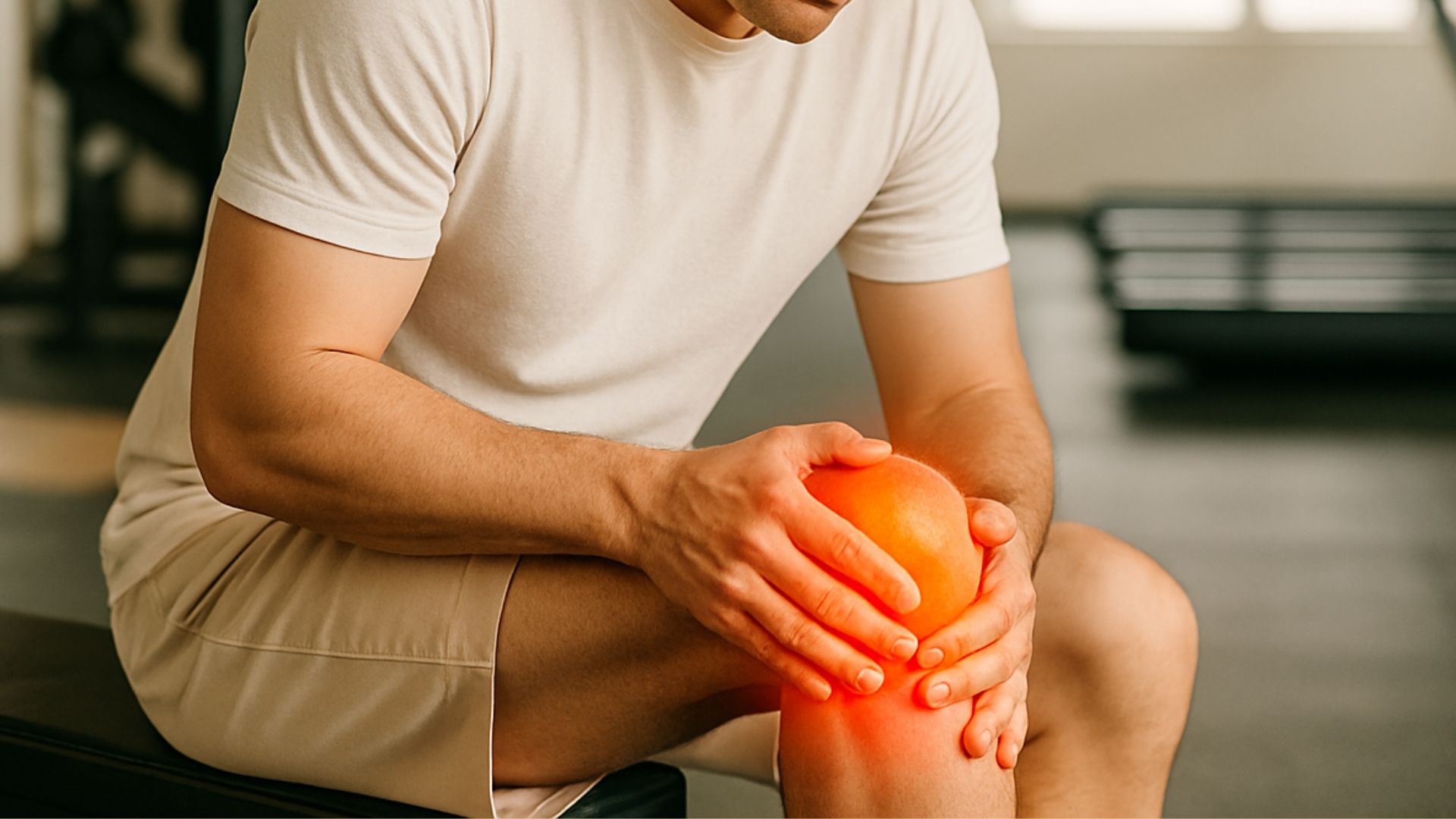
At Elite Spine & Health Center in Houston (Westchase) and Spring (Champion Forest), we help patients get relief by identifying which knee tissues are irritated and how walking, stairs, or training impact the joint.
Schedule your knee pain evaluation.
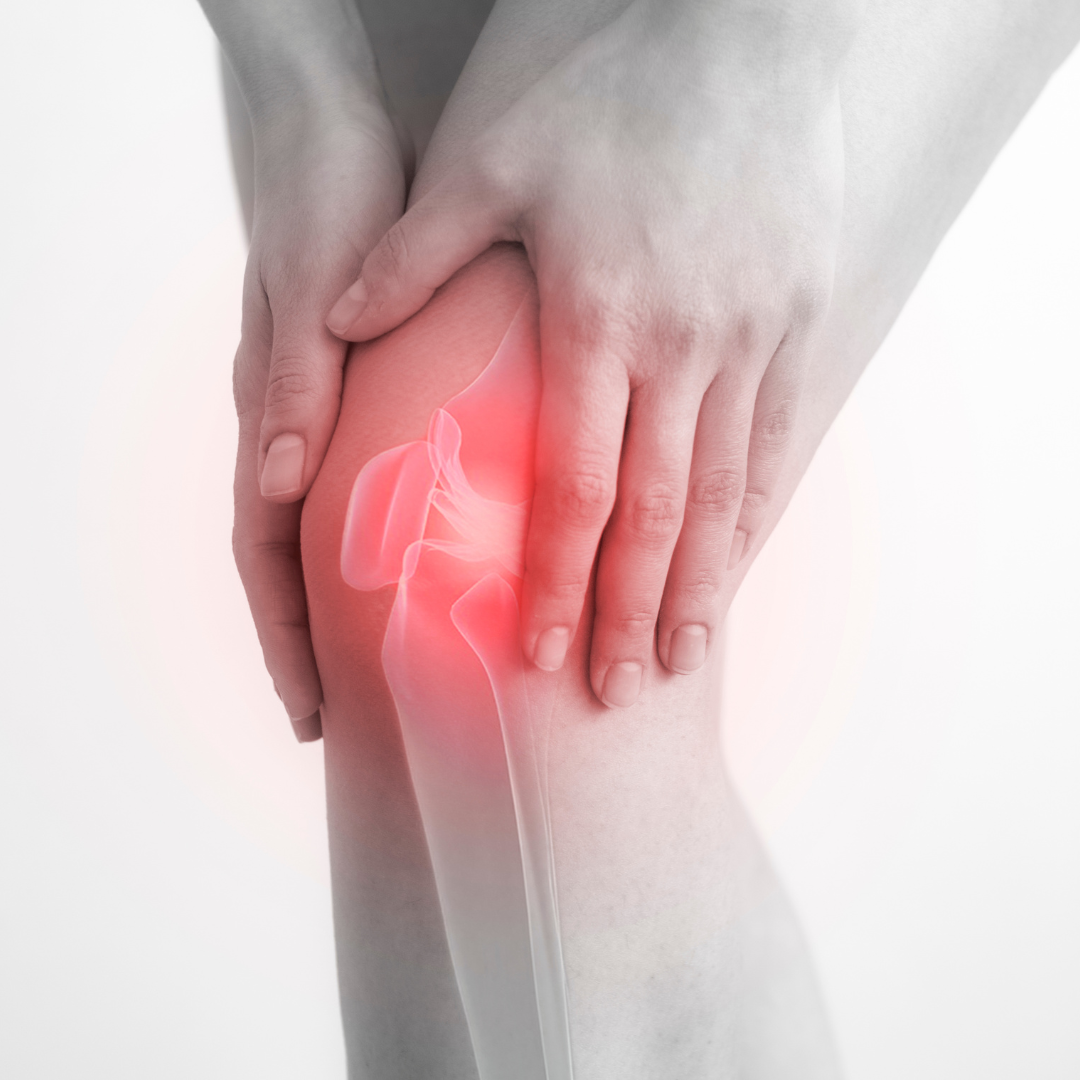
Suffering from Knee Pain?
Knee pain is a common condition that affects about 25% of adults. It often responds to at-home treatments, but if your pain persists, it is important to seek professional care. At Elite Spine and Health Center, experienced chiropractor Billy Cheong and his team specialize in the diagnosis and treatment of knee pain. They use minimally invasive techniques to help you feel better. To request an appointment, call the Houston or Spring, Texas office or use the online booking feature today.

Why Your Knee Hurts?
Knee pain usually follows a clear pattern. Some people feel sharp pain going down stairs. Others feel stiffness when standing up from a chair. Some notice swelling after activity, while others feel pain around the kneecap during squats.
Common symptoms include:
- Sharp pain when bending, squatting, or going down stairs
- Pain when standing from a seated position
- Swelling after activity
- Clicking, catching, or a sense of instability
- Pain on the inside or outside of the knee
- Pain behind or around the kneecap
- Stiffness after sitting
- Trouble kneeling, lifting, or climbing
- Pain after running or long walks
If these sound familiar, your knee needs a proper evaluation to pinpoint the exact cause.
Book your evaluation and get answers.
Conditions We See
We evaluate and treat a wide range of knee-related conditions, including:
- Patellofemoral pain syndrome
- Meniscus-related irritation
- MCL or LCL strain
- Patellar tendinopathy
- Quadriceps or hamstring strain
- IT band-related knee pain
- Bursitis
- Degenerative knee changes
- Runner’s knee
- Knee pain linked to hip or foot mechanics
- Movement-related knee pain from poor tracking or weakness
- Overuse injuries from sports or work
You do not need a diagnosis before coming in. Your evaluation helps identify the pattern behind your pain.

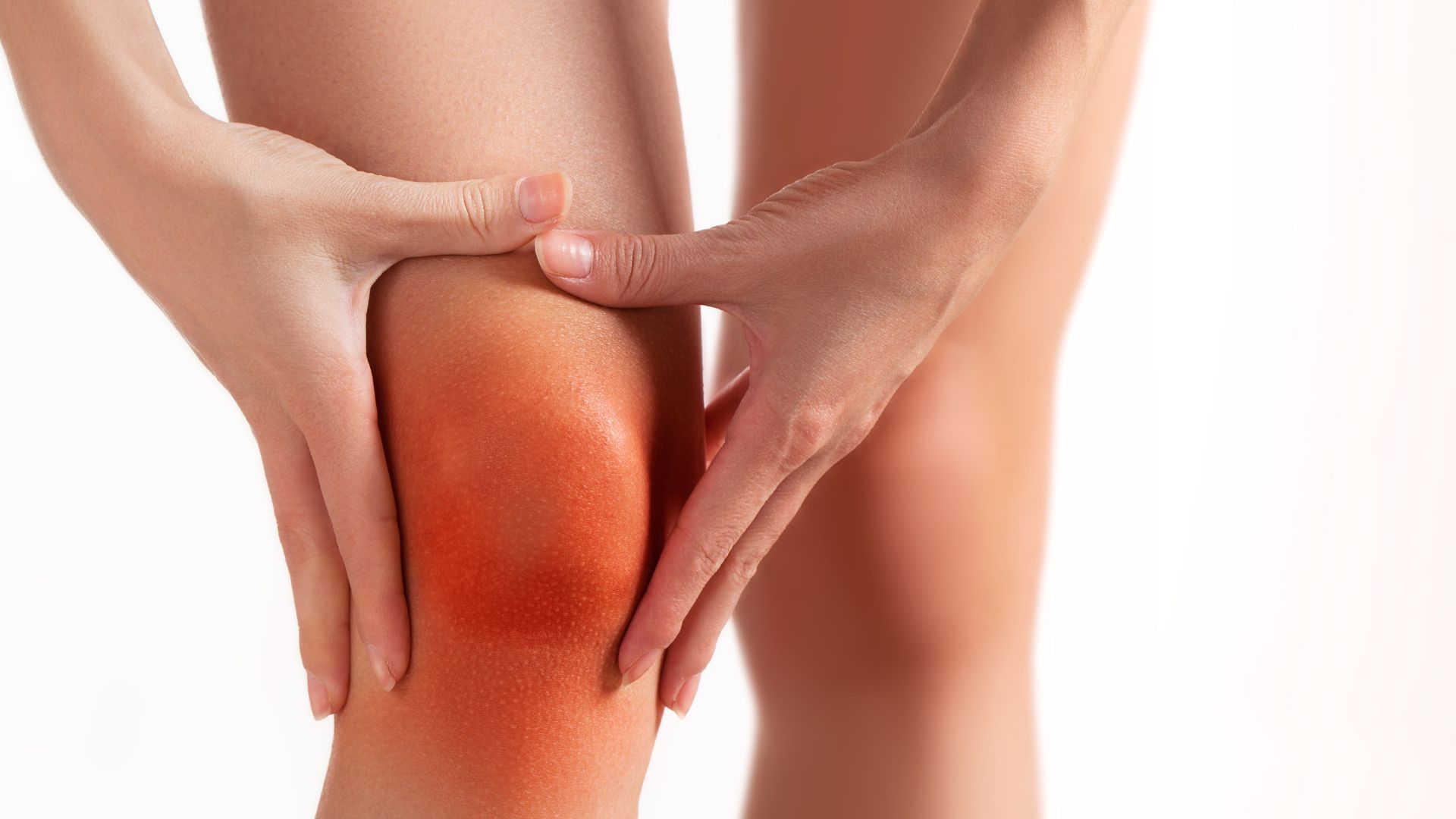
What causes knee pain?
Knee pain may develop from:
- Acute injuries such as ligament sprain or tear or meniscus tear, including impacts
- Repetitive loading, poor alignment or muscle imbalance causing tendonitis, bursitis or cartilage breakdown
- Joint wear or arthritis especially with age, excess weight or prior injury
- Poor hip, core or ankle mechanics that alter knee load patterns
Knee pain may involve ligament strain, tendon irritation, muscular imbalance, or repetitive stress. Treatment plans may include Sports Rehabilitation, Chiropractic Adjustment, and Graston Technique, and Shockwave Therapy to help improve stability, mobility, and lower extremity movement mechanics.
How we evaluate knee pain at Elite Spine
Your first visit includes a full history: how the pain started, your work/sport demands, prior injuries. Then we perform:
- Gait and posture analysis
- Joint and muscle testing including knee motion, strength, flexibility and alignment
- Special tests to assess ligament, meniscus or cartilage involvement
- When needed, imaging review or coordination with physicians for advanced cases
- Our goal is to identify why the knee hurts and build a plan aligned with your activity, work and life goals
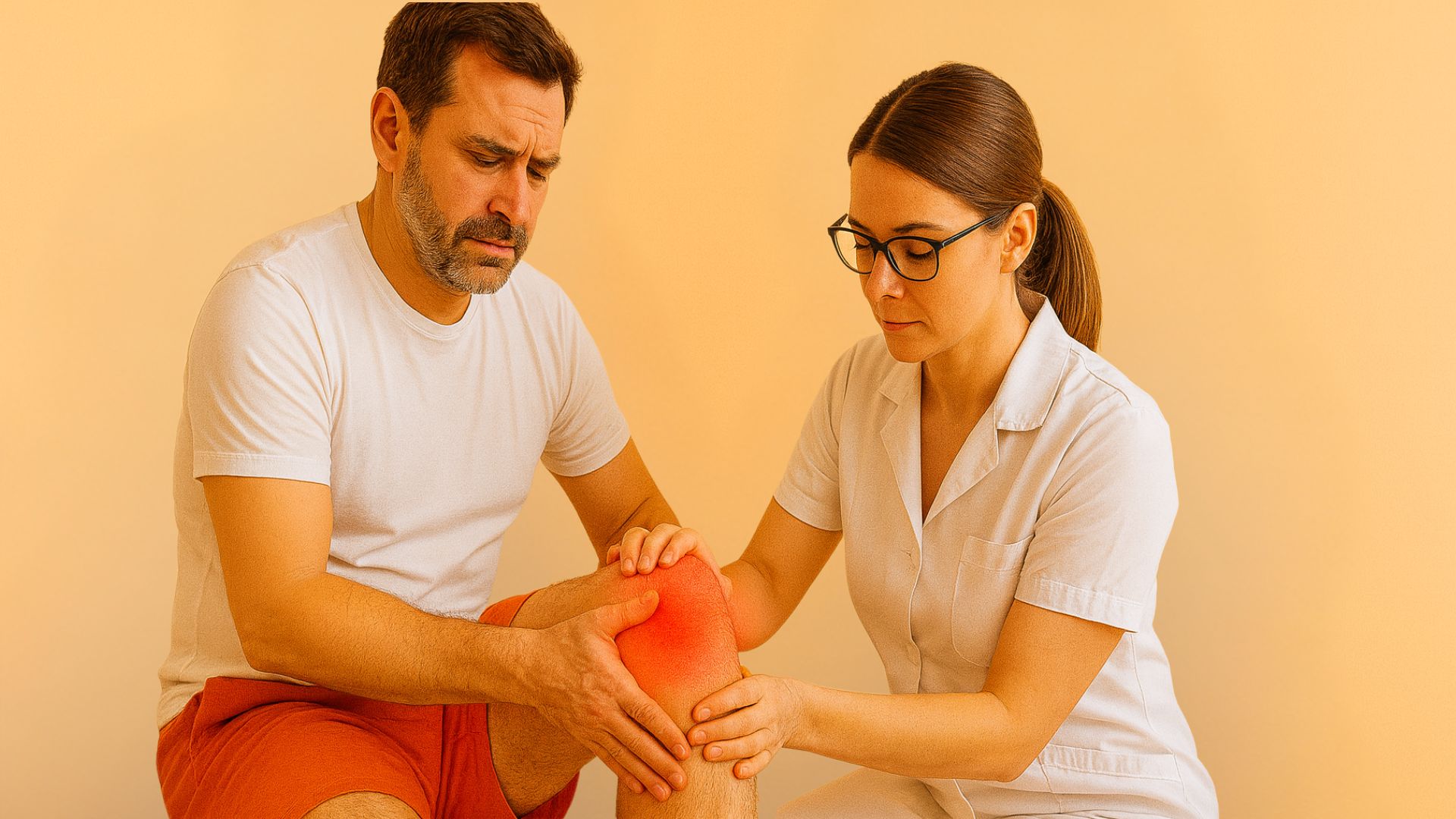
Non-surgical treatment options in Houston & Spring
Based on your exam and goals your treatment plan may include:
- Chiropractic adjustments for joint mechanics around the knee and adjacent segments
- Soft tissue work such as myofascial release or Graston for tight or scarred tissues around the knee, hip or ankle
- Dry needling for trigger points in the quadriceps, hamstrings, IT band or calf that affect the knee
- Class IV Laser therapy to reduce pain, inflammation and accelerate healing
- Radial Pulse Wave (Shockwave) therapy for chronic tendon issues such as patellar or hamstring tendon problems
- Therapeutic exercise and rehab to build hip, core and ankle strength, correct movement patterns and restore knee control
- Activity-modification advice to reduce load patterns, fix footwear or orthotics if needed and improve posture or biomechanics
What you can do at home
Your habits outside the clinic matter. Try:
- Break up prolonged sitting or static postures and stand or move every 30 to 60 minutes
- Use correct mechanics such as bending hips and knees and keeping weight centered when squatting or lifting
- Follow your home exercise plan with focus on hip, glute, quad and hamstring strength
- Use ice for recent flare-ups or heat for stiffness based on your provider’s advice
- Gradually progress your activities and avoid returning to high load without preparation

When knee pain needs urgent attention
While many cases are non-surgical, you should seek immediate medical attention if you notice:
- Inability to bear weight or a knee that feels unstable or gives way
- Severe swelling, deformity, redness or warmth which could indicate infection
- Sudden hearing a “pop” with pain and instability after trauma
- Persistent pain that interferes with sleep or daily activities despite home care
Knee pain is any discomfort that affects one (or both) of your knee joints. Usually, it occurs due to general wear-and-tear, but it can also point to a more serious underlying health problem, like rheumatoid arthritis or a bone tumor.
If you’ve tried various treatments, including ice and rest, but you still can’t find relief, make an appointment with the team at Elite Spine and Health Center right away.
At Elite Spine and Health Center, the team treats knee pain caused by various conditions, including:
- Osteoarthritis
- Rheumatoid arthritis
- Tendonitis
- Bursitis
- Gout
- Baker’s cyst
- Torn meniscus
- Bone tumors
- Torn ligaments
- Dislocated joint
You might also experience knee pain if you pull a muscle or overextend a tendon.
Knee pain affects people of all backgrounds, but several factors may increase your risk, including:
- Being overweight
- Having a history of injury or trauma
- Working a physically demanding job
- Playing sports or exercising regularly
No matter the type of knee pain you experience, if it doesn’t get better, contact the team at Elite Spine and Health Center.
To diagnose knee pain, your Elite Spine and Health Center provider reviews your medical history and asks about your symptoms, including when they first started and if any activities like working out or sitting in a certain position make them worse.
Next, your provider conducts an exam. They gently press on your knee to find areas of swelling or tenderness and have you walk around the exam room to assess your gait and posture.
If these measures don’t provide enough information, your provider might also order X-rays, a CT scan, or an MRI. These diagnostic imaging procedures can rule out underlying issues like fractures, sprains, or inflamed tendons.
At Elite Spine and Health Center, the team treats knee pain using holistic, minimally invasive treatments. After determining the source of your pain, they might recommend:
- Manual joint adjustments
- Sports rehabilitation
- Graston® Technique manual therapy
- Myofascial release
- E-stim
- Therapeutic ultrasound
- Intersegmental traction
- Custom orthotics
- Biofreeze® products
- Dry needling
Ultimately, the goal of treatment is to relieve the pain and restore your mobility.
To learn more about the treatment options for knee pain, make an appointment at Elite Spine and Health Center by calling the nearest office or clicking the online booking feature today.
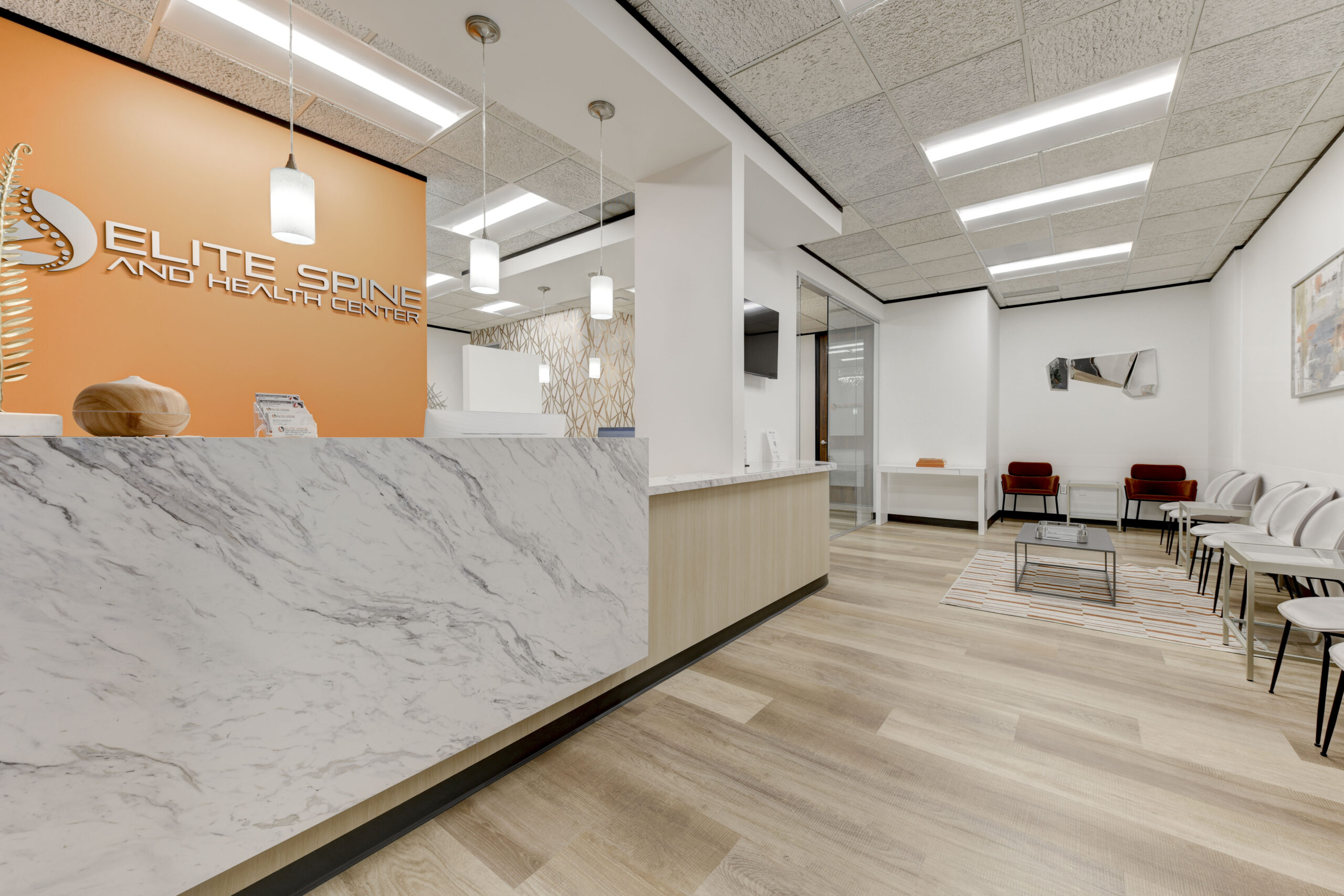
We Believe in a Personalized Chiropractic Solution.
Houston – Westchase: 2901 Wilcrest Dr, Suite 140, Houston, TX 77042 • Call: (832) 925‑6004
Spring – Champion Forest: 18425 Champion Forest Dr, Suite 200, Spring, TX 77379 • Call: (346) 808‑8338
Prefer online? Use the Contact/Book page to request an appointment.