
Insert your content here
Quick Summary
Suction and needles reach the body through different routes. Cupping lifts skin and fascia to raise local blood flow and calm pain signaling, and placement follows wherever tightness turns up during examination. Acupuncture works from fixed points within a diagnostic system that reaches past musculoskeletal complaints into sleep, digestion, and stress. Sessions run shorter with cups and longer with needles, and only cupping leaves visible circular marks that fade within days. Research comparing the two for pain has generally found broadly similar results, so condition and preference carry more weight than any claim of superiority.
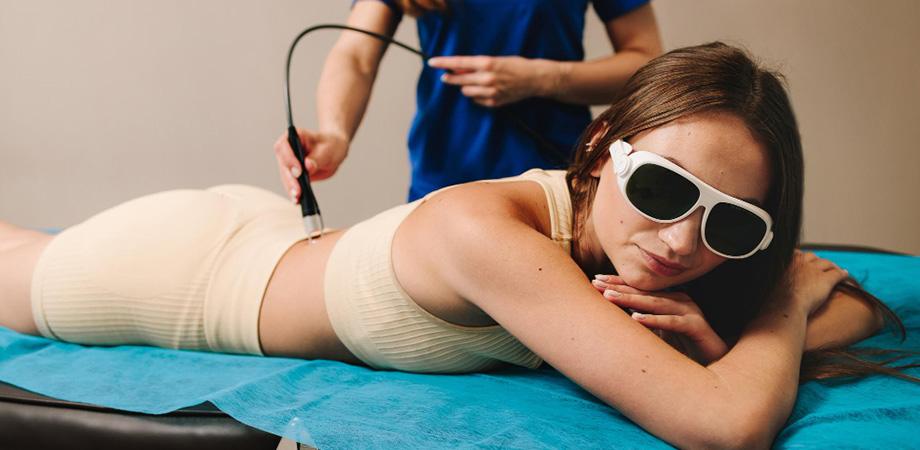
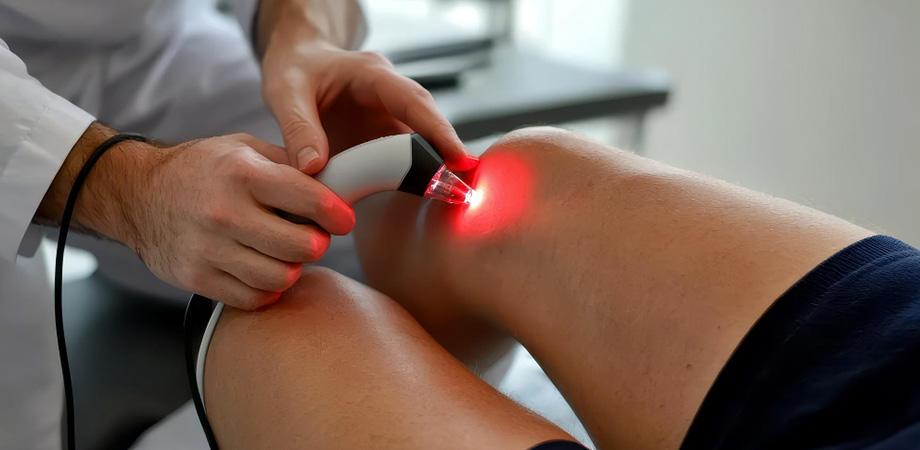
Two therapies with roots stretching back thousands of years now sit in modern clinics beside imaging and rehabilitation equipment. Patients hear about both from friends, athletes, and social media, usually without a clear sense of how they differ. The conversation around cupping vs. acupuncture tends to collapse the two into a single category of alternative care, which does neither one justice. One works through suction applied to the surface, and the other through fine needles placed at mapped points. Their goals overlap in places and diverge in others. So where does that leave you when choosing between them?
Two Traditions With Different Starting Points
Acupuncture developed within traditional Chinese medicine as part of a complete diagnostic system. Practitioners work from a map of points connected by pathways, and point selection follows an assessment that can include pulse quality and tongue appearance. The framework treats symptoms as expressions of imbalance, which explains why the same modality gets applied to sleep trouble, digestion, and stress alongside physical pain. Point locations are fixed and consistent from patient to patient. A given point sits in the same anatomical spot on everyone.
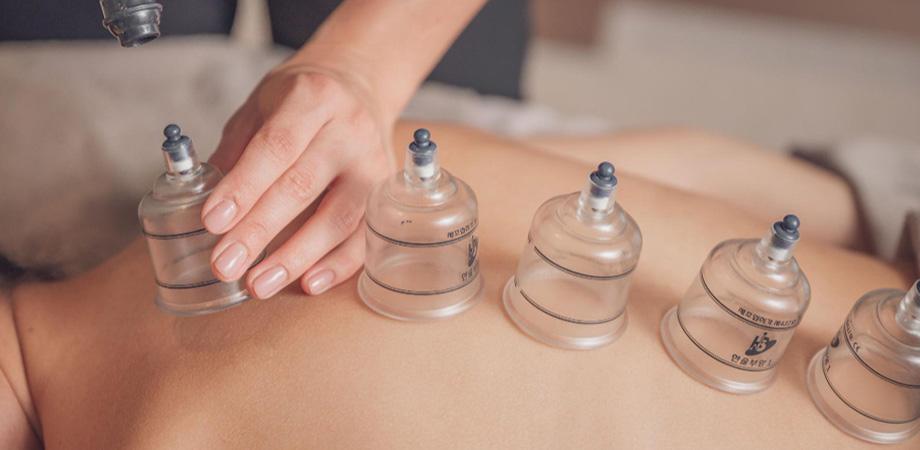
Cupping grew from a different impulse, one focused on drawing stagnation out of tissue rather than regulating flow along a pathway. Glass, silicone, or plastic cups create suction against the skin, and the practitioner positions them over muscle groups rather than precise coordinates. Placement depends on where tightness or soreness shows up during examination. Western clinics have adopted it under the name myofascial decompression, treating it as a soft tissue tool rather than a system of medicine.
What Each Treatment Feels Like In the Moment
Sensation separates these two more sharply than most descriptions suggest. Suction produces a pulling upward on the skin, firm but rarely sharp, and the cup stays in place for a set period while the tissue lifts into it. Some practitioners slide the cups along oiled skin or ask you to move a limb while they remain attached, which adds a stretching quality to the pressure. Needles create a different experience entirely, often described as a dull ache, heaviness, or brief electrical flicker at the point. The insertion itself usually goes unnoticed given how fine the filaments are. Neither should register as sharp pain, and telling your provider when something crosses that line is part of a safe session.
What Happens In the Tissue Underneath
Negative pressure does most of the work in cupping, and the effect on circulation is measurable. Skin and the layer beneath it lift into the cup, small vessels relax, and blood flow at the site rises well above baseline. Researchers connect that response to faster clearance of metabolic byproducts and improved conditions in soft tissue holding tension. Mechanical input from the skin also appears to dampen pain signaling at the spinal level.
A needle operates on a smaller scale and through different pathways. Insertion produces a local response in the tissue around it, including changes in blood flow and the release of substances involved in pain modulation. Signals travel from the point into the spinal cord and upward, which is how relief sometimes appears away from the needle itself. Both explanations describe real physiological changes, and both leave room for questions that current research has yet to settle.
Conditions Each Approach Gets Chosen For
Overlap is wide, though patterns exist in how practitioners reach for one over the other. Tight muscle groups, restricted fascia, and soreness across broad areas such as the upper back suit suction well, since a cup covers surface area a needle cannot. Athletes often choose it for recovery between training blocks and for stubborn tension along the shoulders. Needling gets selected for narrower targets, including headaches, joint-adjacent pain, and complaints where a specific point holds significance within the framework. It also reaches into territory that soft tissue work does not touch, such as sleep quality, nausea, and stress-related symptoms. Research comparing the two for painful conditions has generally found broadly similar results.
Session Length, Frequency, and Course Planning
Time commitment differs enough to influence the decision for some patients. Cups typically stay in place for five to fifteen minutes, and the whole appointment often folds into a broader treatment visit alongside adjustments or rehabilitation work. Needle sessions run longer, with retention periods of twenty to thirty minutes common once the points are placed. Frequency follows the condition in both cases, with acute complaints handled in a short series and chronic problems requiring a longer commitment. Response tends to show itself early with suction, since changes in range of motion can appear within a visit or two. Needling more often builds across a course, which asks for patience before you judge the outcome.
Marks, Soreness, and What Shows Up Afterward
Visible aftermath belongs almost entirely to one side of this comparison. Circular discoloration is the signature of suction work, ranging from pale pink to deep purple depending on the pressure used and the state of the tissue. Those circles are not bruises in the impact sense, and they typically fade over several days without treatment. Tenderness at the site, mild dizziness, and tingling appear occasionally, and hematoma sits at the more uncomfortable end. Needling leaves far less behind, with small bruises at a point and brief soreness making up the usual complaints. Both approaches carry a low risk profile when performed by someone trained properly, and both call for a health history before a first session.
Training, Licensing, and Who Performs Each One
Credentials behind the two practices look quite different in the United States. Acupuncture requires dedicated schooling that generally runs three to four years, including supervised clinical hours, followed by separate state licensure that is distinct from any other health care credential. Anyone placing needles under the acupuncture framework should hold that license. Cupping sits under a broader umbrella, and chiropractors, physical therapists, athletic trainers, and massage therapists may all use it within their own scope after specific training. Regulations vary by state, which is worth confirming rather than assuming. Ask any provider what training they completed and how often they use the technique, since experience shapes the result more than the tool does.
Choosing The Approach That Fits Your Body
Neither approach holds an obvious advantage over the other for pain, and the sensible choice depends on what your body presents with and the kind of care you want around it. Broad muscular tension and restricted movement across a wide area point toward suction. A framework that addresses concerns beyond the musculoskeletal points elsewhere. What should guide the decision is a clear reading of your own condition rather than whichever name you happened to encounter first.
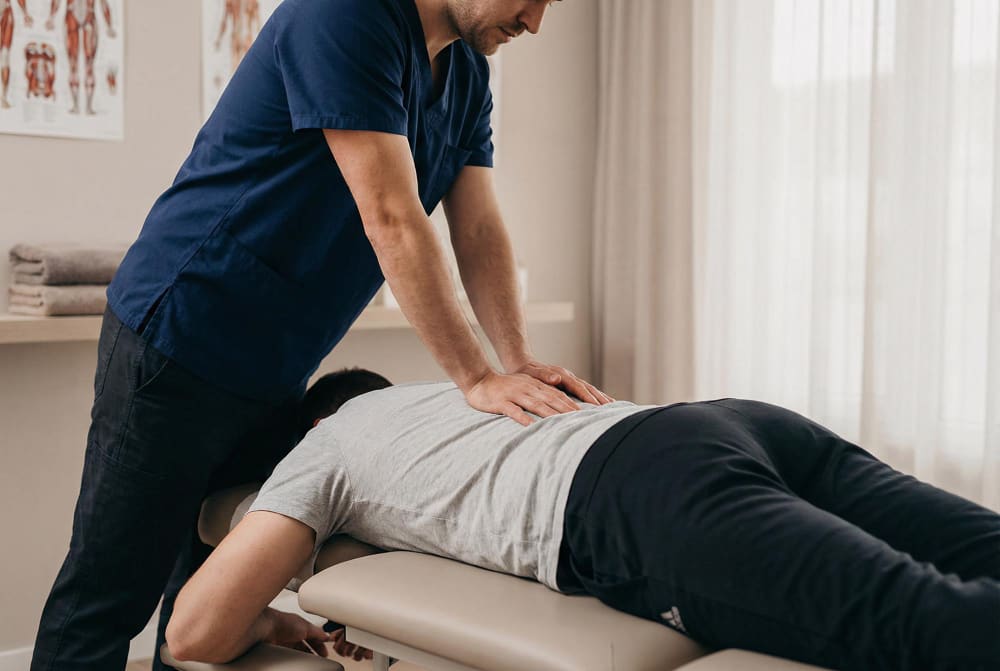
At Elite Spine & Health Center, cupping therapy forms part of the soft tissue work our doctors build into treatment plans at both offices. We apply it where examination shows fascial restriction or muscular tension holding a joint out of position, usually alongside adjustments and rehabilitation. For patients drawn to needle-based care, we offer dry needling, which targets trigger points found through palpation rather than fixed points on a traditional map. Graston Technique fills out the plan when tissue quality limits progress.
Call our Westchase or Champion Forest office, or book online, and let us examine what your tissue needs before you choose.
FAQs
Neither should register as sharp pain. Cups create a firm pulling sensation as tissue lifts into them, while needles often produce a dull ache or heaviness at the point. Insertion usually goes unnoticed given how fine the filaments are. Tell your provider immediately if either sensation crosses into real discomfort.
Circular discoloration typically fades within several days without any treatment. Color ranges from pale pink to deep purple depending on the suction used and the condition of the tissue underneath. These marks are not bruises in the impact sense. Tenderness at the site sometimes accompanies them and settles on a similar timeline.
Yes. Soft tissue work and needle-based techniques address different aspects of the same problem, so combining them within a broader plan is common. Cups cover wide areas of muscular tension, while needling reaches specific points with precision. An examination should determine whether both belong in your particular case.