
Quick Summary
Dry needling therapy uses thin, sterile needles to target tight muscles and trigger points that may contribute to pain, stiffness, and restricted movement. At Elite Spine & Health Center, this treatment may help patients manage muscle tension, sports injuries, back pain, neck pain, plantar fasciitis, and other musculoskeletal concerns. Learn how dry needling works, what to expect during treatment, how it differs from acupuncture, and how it can complement chiropractic care and other therapies for improved movement and comfort.
Muscle pain, tightness, and restricted movement can make everyday activities harder. Dry needling therapy is one treatment option that targets tight muscles and trigger points to help reduce pain and improve mobility. Here at Elite Spine & Health Center, our team serves patients in Houston and Spring, Texas, with personalized care for musculoskeletal pain, injuries, and movement problems.
What Is Dry Needling Therapy?
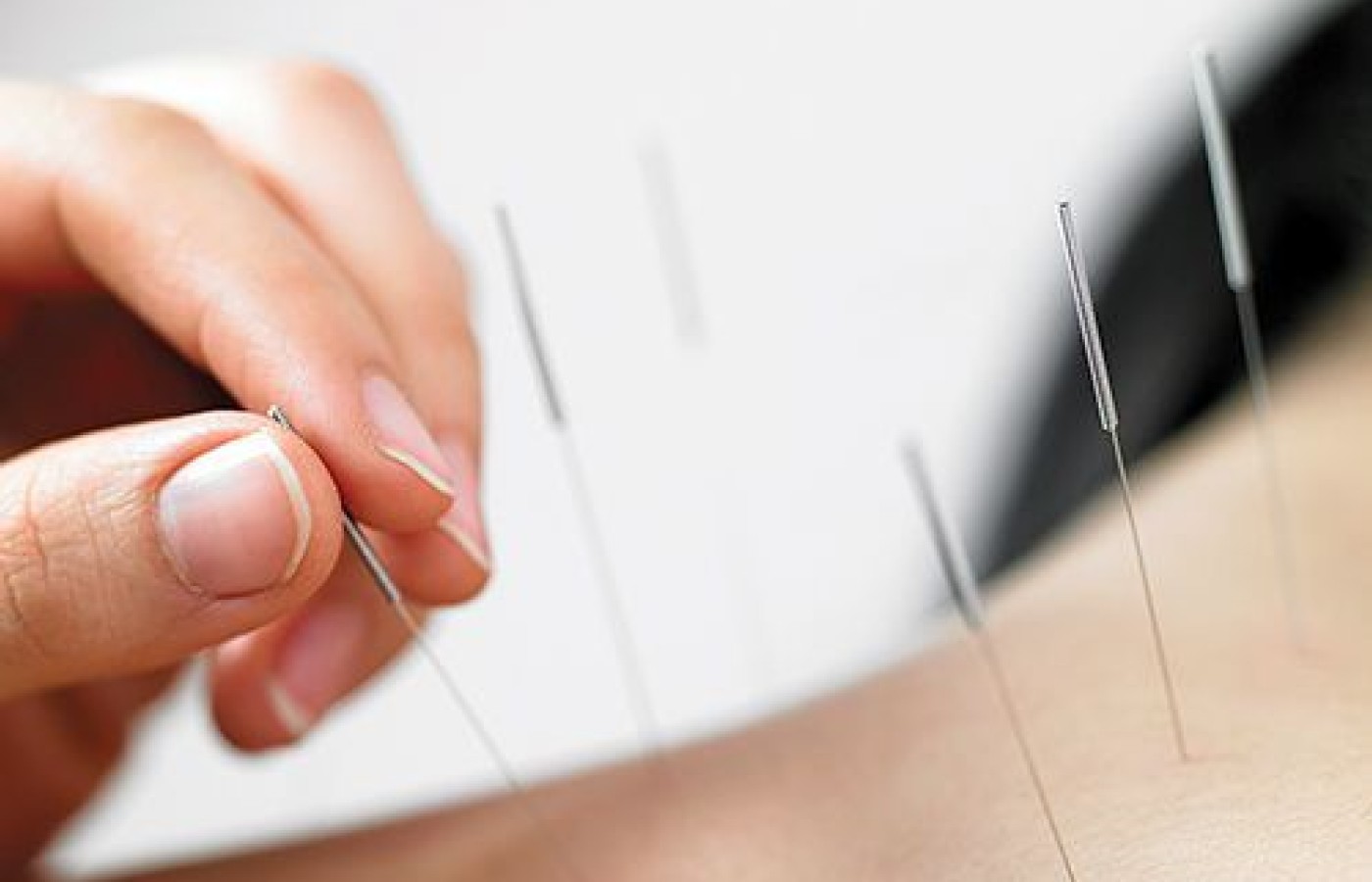
Dry needling therapy is a treatment technique that uses thin, sterile needles to target specific areas of muscle tissue called trigger points. These tight or sensitive areas can contribute to local pain, stiffness, and referred pain in other parts of the body.
The goal is to reduce muscle tension and improve normal movement. Dry needling may be used as part of a broader treatment plan that can include chiropractic care, rehabilitation, stretching, and therapeutic exercises.
Unlike acupuncture, dry needling is based on modern anatomy and musculoskeletal principles. It focuses primarily on muscle dysfunction, trigger points, and movement-related pain.
How Does Dry Needling Work?
During treatment, a trained provider identifies tight or sensitive areas within the muscles. A fine needle is then inserted into the targeted tissue. Depending on the treatment area, you may notice a brief twitch, cramp, or aching sensation.
This response can help relax the affected muscle. Treatment may also help improve local blood flow and reduce muscle sensitivity.
The specific approach depends on your symptoms, condition, and treatment goals.
Muscle Relaxation
Tight muscles can remain contracted and contribute to pain or restricted movement. Dry needling targets these areas to help the muscle relax.
Improved Mobility
When muscle tension decreases, movement may become easier. This can be helpful when stiffness limits your normal range of motion.
Pain Relief
Trigger points can contribute to pain both near the affected muscle and in other areas. Treating these points may help reduce discomfort.
Better Muscle Function
Reducing excessive muscle tension can help restore more normal movement patterns. Your provider may combine dry needling with exercises to maintain these improvements.
What Conditions Can Dry Needling Help?
Dry needling therapy may be used for a variety of musculoskeletal problems. Your provider will first assess your symptoms and determine whether this treatment fits your needs.
Common treatment areas include:
- Neck and shoulder pain
- Lower and upper back pain
- Muscle tightness
- Sports injuries
- Repetitive strain injuries
- Tendon-related pain
- Plantar fasciitis
- Hip and knee pain
- Jaw and TMJ-related muscle tension
- Headaches associated with muscle tension
- Limited range of motion
Dry needling is not appropriate for every condition. A proper evaluation can help determine the right treatment approach.
Dry Needling vs. Acupuncture
Dry needling and acupuncture both use thin needles, but they have different treatment approaches.
Dry needling focuses on musculoskeletal problems. The provider targets trigger points and tight areas within muscles based on anatomy and physical examination findings.
Acupuncture is a traditional Chinese medicine practice that uses specific acupuncture points as part of its treatment approach.
Although the techniques can look similar, their underlying principles and purposes differ. If you are unsure which treatment may be appropriate, discuss your symptoms with a qualified healthcare professional.
Who May Benefit From Dry Needling?
Dry needling may be useful for people dealing with muscle tightness, pain, or restricted movement.
Athletes
Sports and repetitive training can place significant demands on muscles. Dry needling may be used alongside rehabilitation to address muscle tension and support recovery.
Office Workers
Long periods of sitting can contribute to neck, shoulder, and back tension. Targeted treatment may help reduce muscle tightness and improve movement.
Active Adults
People who exercise regularly may develop muscle soreness or tightness from repetitive activity. Dry needling can be incorporated into a broader recovery plan.
People Recovering From Injuries
Muscle tension can sometimes persist after an injury. Dry needling may be used alongside other rehabilitation techniques to restore normal movement.
What Happens During a Dry Needling Session?
Knowing what to expect can make your first appointment feel more comfortable.
Initial Evaluation
Your provider will discuss your symptoms, medical history, activity level, and treatment goals. They may also assess your posture, movement, and areas of muscle tension.
Identifying Trigger Points
The provider will locate muscles and trigger points that may contribute to your symptoms. This helps determine where treatment should be focused.
Needle Placement
Thin, sterile, single-use needles are inserted into selected muscles. You may feel a brief twitch or aching sensation as the tissue responds.
After Treatment
Some people experience temporary soreness or mild bruising after treatment. This typically resolves on its own. Your provider may recommend gentle movement, stretching, or other exercises following your session.
The number and frequency of treatments depend on your condition and response to care.
Is Dry Needling Safe?
Dry needling is generally considered safe when performed by a properly trained healthcare professional using appropriate sterile techniques.
Temporary effects can include:
- Muscle soreness
- Mild bruising
- Temporary fatigue
- Brief discomfort during treatment
Before treatment, tell your provider about relevant medical conditions, medications, allergies, or concerns. Your provider can determine if dry needling is appropriate for you.
Can Dry Needling Be Combined With Other Treatments?
Yes. Dry needling does not have to be used as a stand-alone treatment.
Your care plan may also include chiropractic adjustments, therapeutic exercises, stretching, manual therapy, or other rehabilitation techniques. Combining approaches can address different factors contributing to pain and movement limitations.
At Elite Spine & Health Center, treatment is tailored to your specific symptoms and goals rather than relying on a single approach for every patient.
Why Choose Elite Spine & Health Center?
At Elite Spine & Health Center, our team works with patients experiencing pain, injuries, and mobility problems. Dr. Billy Cheong, Dr. Kesia Broome, Dr. Elias Madrid, Dr. Tabotha Green, and Dr. Francis Jopanda offer personalized musculoskeletal care in Houston and Spring, Texas.
Our approach focuses on understanding what is contributing to your symptoms and selecting treatments that fit your needs. Dry needling may be included when appropriate as part of a broader plan for improving comfort and movement.
Restore Movement With Dry Needling Therapy
Persistent muscle tightness and pain can affect how you work, exercise, sleep, and enjoy daily activities. Dry needling therapy offers a targeted approach for addressing trigger points and muscle tension.
At Elite Spine & Health Center, our team evaluates your individual needs before developing a treatment plan. If you are dealing with muscle pain, stiffness, or restricted movement in Houston or Spring, Texas, contact us to learn if dry needling may be right for you.
Frequently Asked Questions
You may feel a brief prick, twitch, cramp, or aching sensation during treatment. Some soreness can occur afterward, but it is usually temporary.
Treatment time varies based on the areas being addressed and your overall care plan. Your provider can explain what to expect during your appointment.
There is no single number that works for everyone. The recommended treatment schedule depends on your symptoms, condition, and response to therapy.
No. Both use thin needles, but dry needling focuses on musculoskeletal problems and trigger points. Acupuncture follows a different treatment system rooted in traditional Chinese medicine.
It may help when muscle tension or trigger points contribute to back pain. Your provider can assess the underlying cause and determine if dry needling is appropriate.
Yes. Dry needling can be incorporated into a broader care plan that includes chiropractic treatment, exercise, rehabilitation, or other therapies.