
Quick Summary
The Graston Technique is an instrument-assisted soft tissue therapy used to address areas of tightness, restriction, and discomfort. It may be incorporated into care for scar tissue, repetitive strain, muscle stiffness, and reduced mobility. Treatment uses specialized instruments and controlled pressure to target specific areas. Our team may combine Graston with chiropractic care, physical rehabilitation, dry needling, myofascial release, or massage therapy. A personalized approach can address both soft tissue restrictions and movement patterns that may contribute to recurring discomfort.
Scar tissue, muscle tightness, and soft tissue restrictions can make everyday movement uncomfortable. They can develop after an injury, surgery, repetitive activity, or prolonged muscle strain. If these issues affect how you move, the Graston Technique may be one option to consider as part of a personalized treatment plan.
This form of instrument-assisted soft tissue mobilization uses specialized tools to work on areas of restricted soft tissue. Our team may use it alongside other therapies to address discomfort, improve movement, and help you return to your normal activities.
What Is the Graston Technique?
The Graston Technique is a form of instrument-assisted soft tissue mobilization, commonly called IASTM. It uses specially designed instruments to apply controlled pressure to areas of soft tissue that may feel tight, restricted, or sensitive.
The technique is often used as part of a broader rehabilitation program. Rather than treating every patient the same way, our providers can consider your symptoms, movement patterns, injury history, and recovery goals when determining if this approach is appropriate.
The treatment may be considered for people dealing with:
- Muscle tightness and stiffness
- Soft tissue restrictions
- Scar tissue following an injury or procedure
- Repetitive strain
- Tendon-related discomfort
- Plantar fascia problems
- Sports-related soft tissue issues
- Reduced range of motion
How Does the Graston Technique Work?
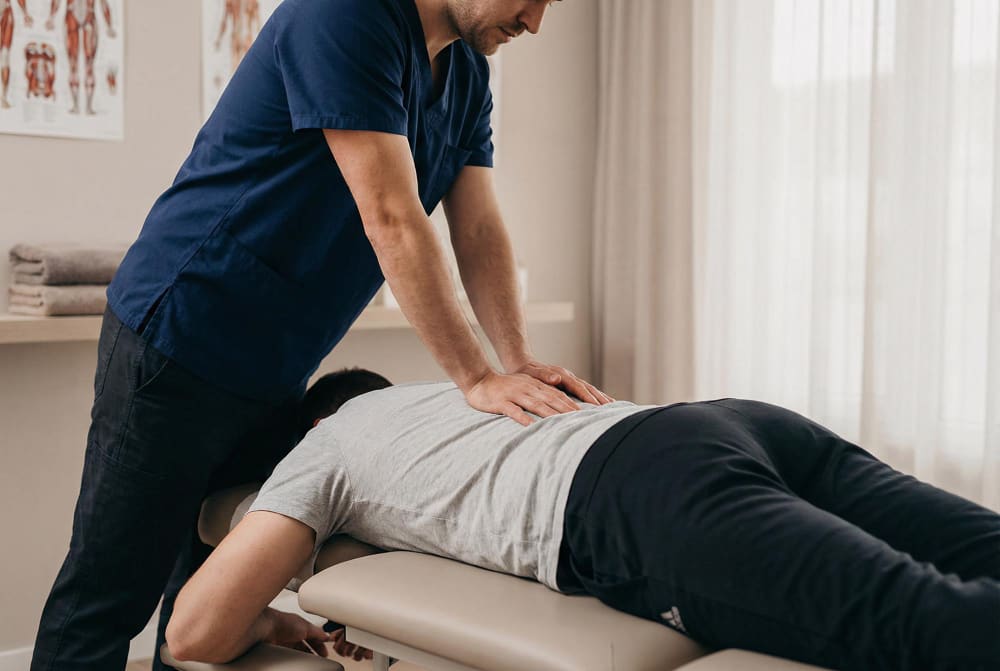
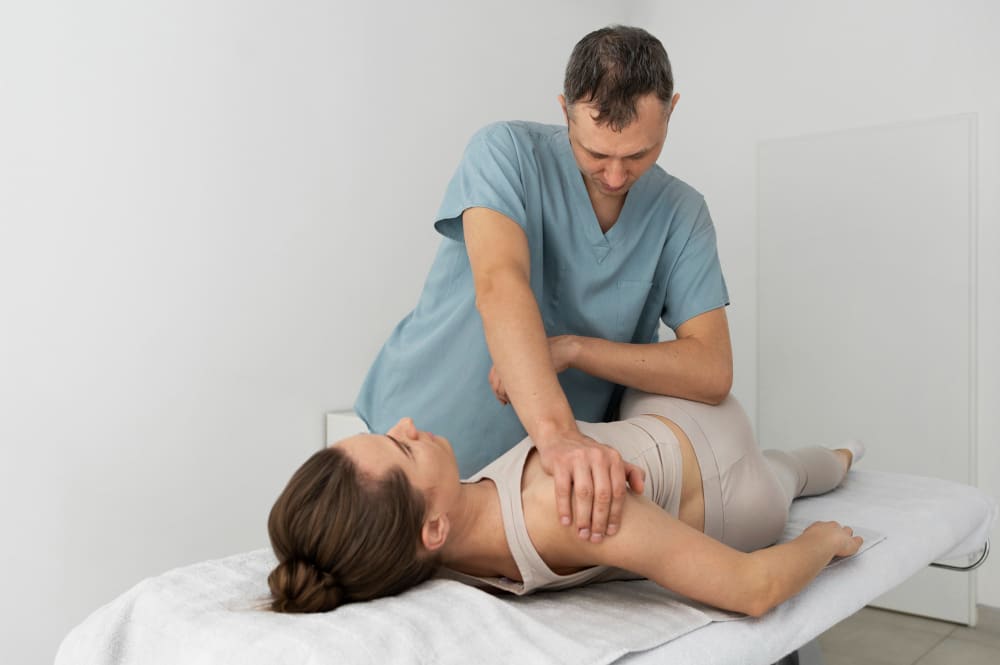
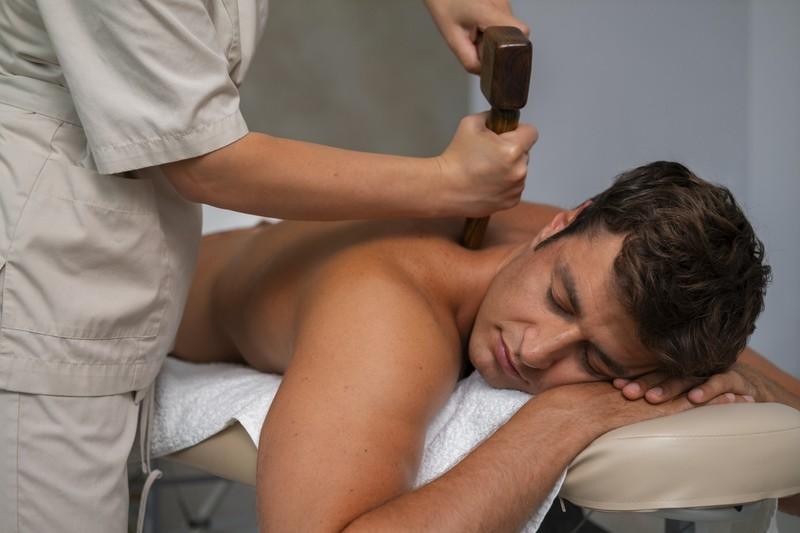
During treatment, we use specialized instruments to glide over targeted areas of the body. The instruments allow our practitioners to assess areas of soft tissue and apply focused pressure.
The treatment is generally performed in a controlled manner. The amount of pressure and the areas treated depend on your individual needs.
A typical session may involve:
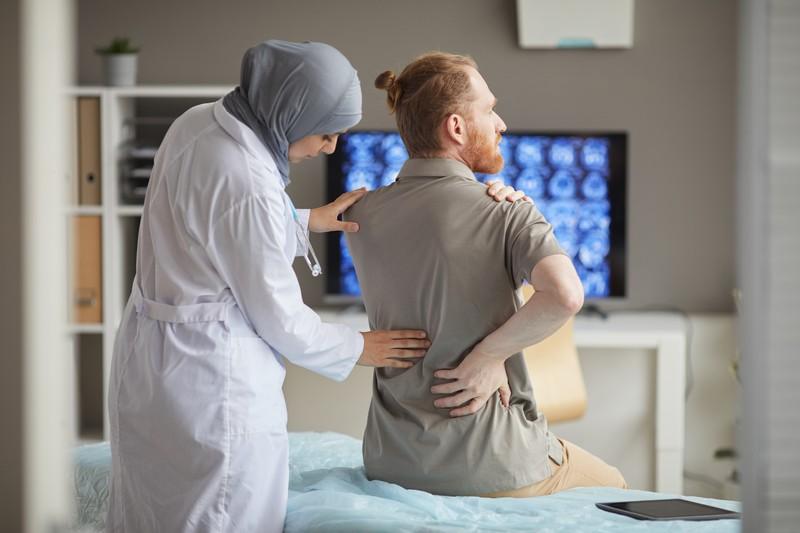
- Assessment: We evaluate the affected area and identify areas of restriction or tenderness.
- Preparation: The skin and treatment area are prepared for the technique.
- Instrument-assisted treatment: We use specialized tools to work over the targeted soft tissue.
- Movement work: Depending on your condition, we may incorporate stretching or movement exercises.
- Recovery: We may recommend specific exercises or other therapies to complement your treatment.
You may experience some temporary tenderness after treatment. Your provider can explain what to expect based on the area being treated and your overall condition.
Can Graston Help With Scar Tissue?
Scar tissue develops as part of the body’s normal healing process after tissue damage. Depending on its location and severity, scar tissue can sometimes contribute to stiffness or restricted movement.
The Graston Technique may be used to work around areas of scar tissue and soft tissue restriction. The goal is not simply to “break up” scar tissue. Instead, the treatment focuses on improving tissue mobility and function as part of a broader rehabilitation approach.
This can be particularly useful when an old injury continues to affect how you move.
Potential Benefits of the Graston Technique
The benefits can vary depending on the underlying condition and your overall treatment plan. When appropriate, the technique may help:
Reduce Soft Tissue Tension
Tight muscles and restricted soft tissue can make movement uncomfortable. Targeted treatment may help reduce tension in affected areas.
Improve Range of Motion
Restricted tissue can limit how freely a joint or muscle moves. Addressing soft tissue restrictions may help restore more comfortable movement.
Support Injury Recovery
Athletes and active individuals often place repeated demands on their muscles and connective tissues. Graston may be incorporated into rehabilitation to complement exercises and other recovery methods.
Address Areas of Scar Tissue
Previous injuries or procedures can leave areas of tissue that feel tight or restricted. Instrument-assisted treatment can be used to address these areas as part of a customized plan.
Complement Other Therapies
Graston does not have to be used on its own. Combining soft tissue treatment with rehabilitation exercises, chiropractic care, or other appropriate therapies can create a more comprehensive approach.
Who May Benefit From Graston?
Graston may be considered for people with different activity levels and lifestyles. You do not have to be a professional athlete to benefit from soft tissue care.
For example, an active person may develop repetitive strain from training. Someone who works at a desk may experience persistent muscle tension from spending long periods in one position. A person recovering from an injury may have lingering soft tissue restrictions that affect mobility.
Common areas that may be treated include the:
- Neck
- Shoulders
- Upper and lower back
- Arms
- Hips
- Legs
- Calves
- Feet
The right treatment depends on the underlying problem. Our team can assess your condition and determine which therapies may fit your needs.
Graston Technique for Active Individuals
Sports and exercise place repeated demands on muscles, tendons, and other soft tissues. Even when an activity feels routine, repetitive movement can contribute to tightness and discomfort.
For active individuals, Graston may be incorporated into a rehabilitation plan alongside corrective exercises and mobility work. The goal is to address restrictions while helping you build the strength and movement patterns needed for your activities.
Recovery should not focus only on the painful area. We also look at how you move and what may be contributing to the problem.
Combining Graston With Other Treatments
Soft tissue treatment can be more effective when it is part of a broader plan tailored to your condition.
Depending on your needs, our team may combine the Graston Technique with:
Chiropractic Care
Chiropractic treatment can address certain joint and spinal movement issues while soft tissue techniques focus on muscles and connective tissues.
Physical Rehabilitation
Corrective exercises can help improve strength, flexibility, balance, and movement patterns after soft tissue treatment.
Dry Needling
Dry needling may be used to target specific muscle trigger points and areas of tension when clinically appropriate.
Myofascial Release
Myofascial release uses manual techniques to address restrictions in fascia and surrounding soft tissue. It can complement instrument-assisted treatment when appropriate.
Massage Therapy
Massage may help address general muscle tension and promote relaxation as part of a broader care plan.
The combination depends on your condition. Not every patient needs every therapy.
What Should You Expect After Treatment?
Your response to Graston can vary. Some people experience temporary tenderness in the treated area. Your provider may recommend gentle movement, stretching, hydration, or other recovery strategies after your session.
Following your personalized instructions can help you get the most from your treatment plan.
It is also important to remember that soft tissue treatment is only one part of recovery. If an underlying movement problem, weakness, repetitive activity, or poor mechanics continues, symptoms may return.
That is why we may combine Graston with exercises and other therapies designed around your specific needs.
Get Targeted Care for Soft Tissue Pain and Restrictions
Persistent muscle tightness, scar tissue, or restricted movement can interfere with the activities you enjoy. The Graston Technique offers one approach for addressing soft tissue restrictions as part of a personalized rehabilitation plan.
At Elite Spine & Health Center, we combine techniques such as instrument-assisted soft tissue mobilization, chiropractic care, physical rehabilitation, dry needling, myofascial release, and other therapies based on your needs. Our goal is to help you move more comfortably and work toward better function.
Ready to Take the Next Step?
If pain, stiffness, or restricted movement is keeping you from your normal activities, contact Elite Spine & Health Center to schedule an evaluation. We can assess your condition and discuss whether the Graston Technique or another treatment approach may be right for you.
Frequently Asked Questions About the Graston Technique
Some patients experience pressure, sensitivity, or temporary soreness during or after treatment. Your provider can adjust the technique based on your comfort and condition.
There is no standard number of sessions. Your treatment schedule depends on the condition being addressed, your response to care, and your recovery goals.
It may help improve mobility around areas of scar tissue and soft tissue restriction. An evaluation can determine whether it is appropriate for your particular situation.
Yes. Graston is often used as part of a broader rehabilitation program. Exercises and movement training can complement soft tissue treatment.
No. People with different lifestyles may receive soft tissue treatment. Desk workers, active adults, and people recovering from injuries may all have problems involving muscle tension or restricted movement.