
Helping Athletes Return Stronger with Performance-Based Rehab Care
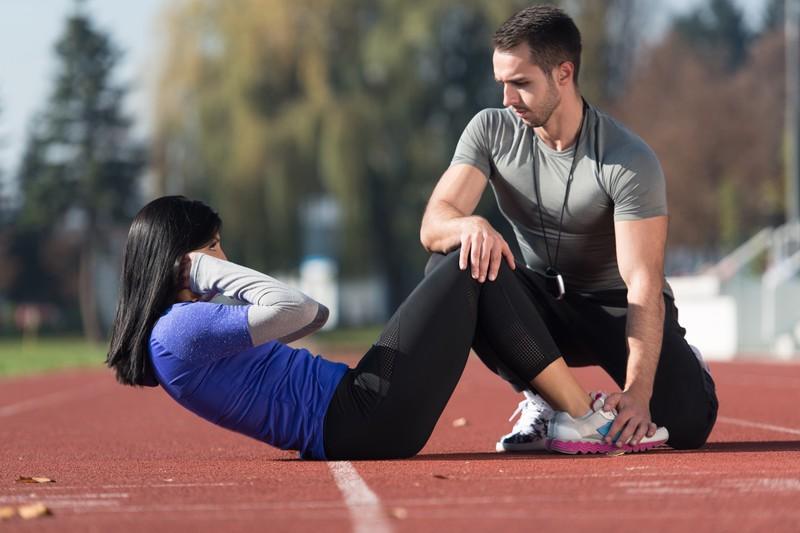
Athletic performance thrives on strength, discipline, and resilience—but injuries are often an unavoidable part of an athlete’s journey. Even minor strains or overuse injuries can significantly impact training and competition, while major injuries like ligament tears can sideline athletes for months. How an athlete recovers from these setbacks often determines their long-term performance and career longevity. Recovery is not just about healing—it’s about restoring strength, mobility, and confidence to return to sport at an optimal level.
Performance-based rehabilitation care is revolutionizing the way athletes recover. Unlike traditional rehab, which often focuses solely on pain relief and basic mobility, performance-based rehab emphasizes a comprehensive approach. This method integrates strength training, functional movement, sport-specific drills, and injury prevention strategies to ensure athletes rebuild their bodies efficiently and safely. It focuses on correcting imbalances, improving flexibility, enhancing stability, and optimizing overall performance so athletes can return to their sport stronger and more resilient than before.
At Elite Spine & Health Center, athletes receive individualized care tailored to their sport, injury, and personal goals. From assessment and treatment to strength rebuilding and performance optimization, every step is designed to help athletes make a safe, effective, and high-performing comeback.
Understanding Performance-Based Rehab Care
Performance-based rehab care is a cutting-edge, results-driven approach that extends beyond traditional physical therapy. Unlike conventional rehab, which often focuses solely on pain relief and restoring basic function, performance-based rehab prioritizes optimizing the body for athletic performance. It integrates strength training, functional movement, sport-specific exercises, and injury prevention strategies, ensuring athletes not only recover from injuries but also enhance their overall performance, resilience, and long-term physical capabilities.
This approach combines:
Clinical rehabilitation techniques
Strength and conditioning principles
Functional movement training
Sport-specific performance drills
The ultimate goal is not just recovery—but improvement. Athletes are trained to return to their sport at an equal or higher level of performance than before their injury.
The Evolution of Sports Rehabilitation
Historically, injury recovery followed a linear approach: rest, basic therapy, and a gradual return to activity. While this method provided some relief and allowed healing, it often left athletes underprepared for the high physical demands of their sport. Without addressing strength, mobility, and sport-specific skills, many athletes returned too early or at reduced performance levels, increasing the risk of re-injury and limiting long-term athletic potential.
Modern rehabilitation has evolved significantly due to advancements in:
Biomechanics
Exercise science
Sports medicine
Technology-driven diagnostics
Clinics like Elite Spine & Health Center now integrate these disciplines to provide a holistic and performance-oriented recovery experience.
Why Performance-Based Rehab Matters for Athletes
Athletes rely on more than just basic mobility. They need:
Explosive strength
Speed and agility
Coordination and balance
Endurance and stamina
Returning to sport without restoring these elements increases the likelihood of re-injury. Performance-based rehab ensures that every aspect of athletic ability is addressed.
Common Causes of Sports Injuries
Understanding how injuries occur is crucial for both effective treatment and prevention. By identifying causes such as overuse, poor biomechanics, muscle imbalances, or inadequate conditioning, rehabilitation can target the root of the problem. Elite Spine & Health Center uses this insight to create tailored programs that promote healing and reduce future risk.
1. Overuse Injuries
Repetitive stress without adequate recovery can lead to conditions like tendonitis and stress fractures.
2. Acute Injuries
Sudden impacts or movements can result in sprains, strains, or ligament tears.
3. Poor Biomechanics
Improper movement patterns place unnecessary strain on joints and muscles.
4. Muscle Imbalances
Weakness in certain muscle groups can cause compensation and injury elsewhere.
5. Lack of Conditioning
Insufficient strength or endurance increases vulnerability during intense activity.
At Elite Spine & Health Center, these underlying causes are thoroughly evaluated to create targeted treatment plans.
The Phases of Performance-Based Rehabilitation
Phase 1: Comprehensive Assessment
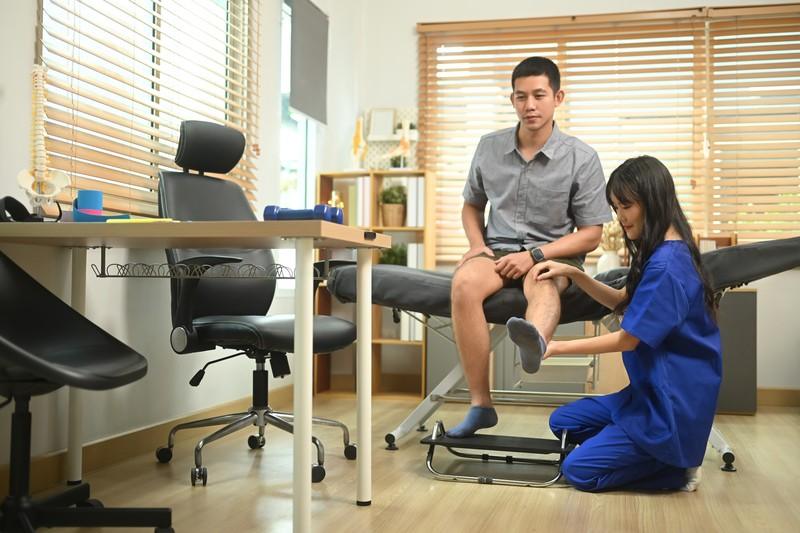
The recovery process begins with a comprehensive evaluation that includes reviewing the athlete’s injury history, assessing range of motion, testing strength, and analyzing movement patterns. This thorough assessment allows Elite Spine & Health Center to identify underlying issues, create a personalized rehabilitation plan, and ensure a safe and effective path to recovery.
Injury history
Range of motion analysis
Strength testing
Movement screening
This step identifies not only the injury but also contributing factors that must be addressed.
Phase 2: Pain Management and Tissue Healing
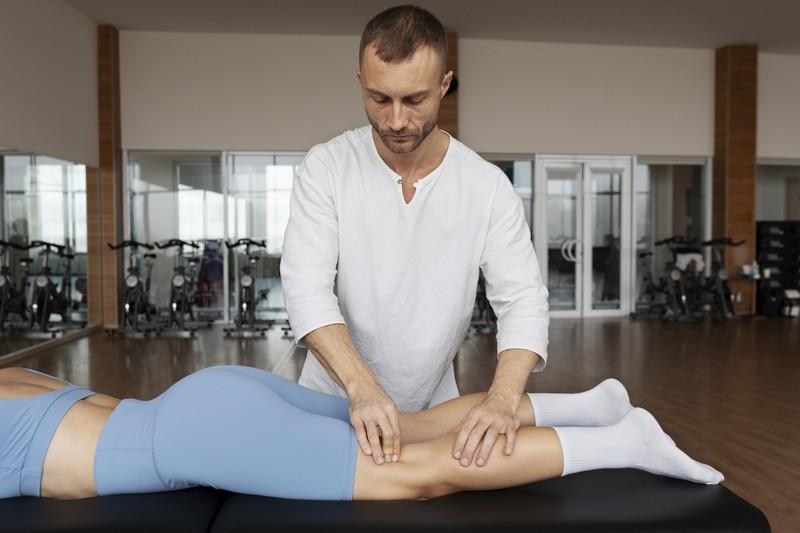
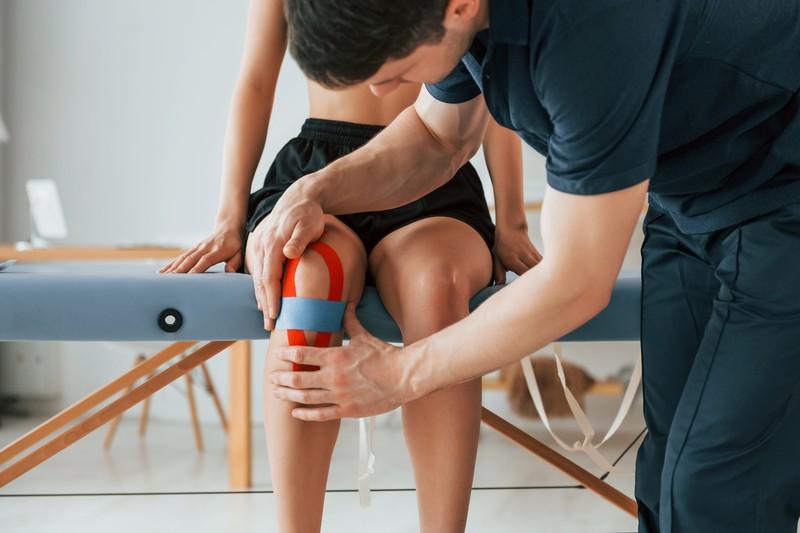
The initial phase of rehabilitation focuses on reducing pain and inflammation while supporting natural healing. Techniques such as manual therapy, soft tissue mobilization, controlled exercises, and therapeutic modalities help restore comfort and function. At Elite Spine & Health Center, this foundation ensures a safe, effective start to the recovery process.
Treatment methods may include:
Manual therapy
Soft tissue mobilization
Controlled therapeutic exercises
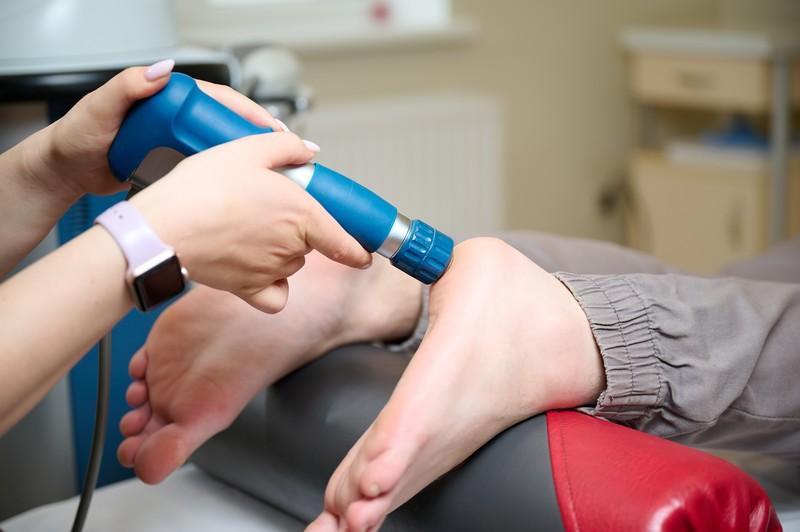
Modalities such as ultrasound or electrical stimulation
This phase lays the groundwork for more active rehabilitation.
Phase 3: Restoring Mobility and Flexibility
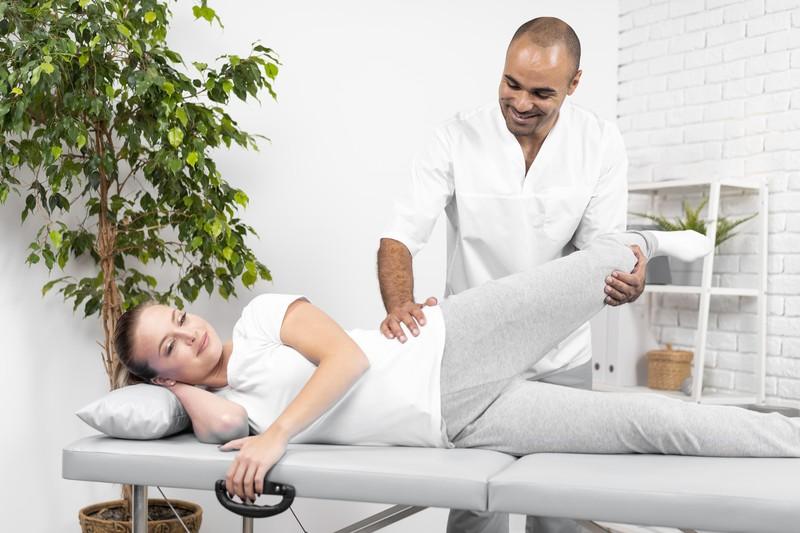
Once pain is managed, rehabilitation shifts to restoring normal movement patterns. Through stretching, joint mobilization, and range-of-motion exercises, athletes regain flexibility, coordination, and functional mobility. Elite Spine & Health Center carefully guides this process, ensuring movements are safe, effective, and optimized for a strong, injury-resistant return to athletic performance.
Key components include:
Stretching exercises
Joint mobilization
Range-of-motion drills
Improving mobility is essential before progressing to strength training.
Phase 4: Strength and Stability Development
This phase emphasizes rebuilding muscle strength and enhancing joint stability through targeted resistance exercises, core strengthening, and balance training. By reinforcing key muscle groups and improving functional movement, athletes regain control, prevent future injuries, and prepare their bodies for the demands of their sport, ensuring a safer return to peak performance.
Exercises may include:
Resistance training
Core strengthening
Balance and proprioception drills
Strengthening the body ensures it can handle the demands of athletic performance.
Phase 5: Neuromuscular Re-education
Neuromuscular training retrains the body to move efficiently, improving coordination, balance, and reaction time while reducing the risk of injury. By correcting movement patterns and enhancing muscle control, athletes regain confidence and stability. Elite Spine & Health Center incorporates these exercises to ensure safe, effective, and performance-focused rehabilitation.
This includes:
Coordination drills
Reaction time exercises
Movement pattern correction
This phase is critical for preventing future injuries.
Phase 6: Sport-Specific Training
Athletes progress to sport-specific training, practicing movements essential to their performance, such as sprinting, jumping, cutting, pivoting, throwing, or swinging. This phase rebuilds coordination, speed, and agility while simulating real-game scenarios. Elite Spine & Health Center ensures these exercises are tailored to each athlete’s sport, skill level, and recovery goals.
Sprinting
Jumping
Cutting and pivoting
Throwing or swinging motions
This ensures readiness for real-game scenarios.
Phase 7: Return-to-Play Testing
Before returning to competition, athletes undergo comprehensive performance testing to assess strength, agility, balance, and functional movement. These evaluations ensure that the body is fully prepared for the demands of their sport. At Elite Spine & Health Center, testing guarantees a safe, confident, and effective return to peak athletic performance.
Strength symmetry
Agility and speed
Functional movement
Only when these benchmarks are met is the athlete cleared for full participation.
Benefits of Performance-Based Rehab
Faster and More Efficient Recovery
Targeted programs reduce downtime while maintaining safety.
Reduced Risk of Re-Injury
Addressing root causes prevents recurring issues.
Enhanced Athletic Performance
Athletes often return stronger and more conditioned.
Personalized Treatment Plans
Every program is tailored to the individual athlete.
Improved Confidence
Gradual progression helps rebuild trust in the body.
Injuries Commonly Treated
Performance-based rehab effectively treats a variety of conditions, including ACL injuries, tendonitis, rotator cuff tears, muscle strains, sprains, and lower back pain. By addressing the root causes, restoring strength, and improving mobility, this approach not only aids recovery but also enhances athletic performance and reduces the risk of future injuries.
ACL injuries
Meniscus tears
Rotator cuff injuries
Tennis elbow
Achilles tendonitis
Hamstring strains
Lower back pain
At Elite Spine & Health Center, each injury is treated with a customized approach that aligns with the athlete’s goals.
The Role of Technology in Rehab
Modern rehabilitation centers utilize advanced tools and technology to optimize recovery. Motion capture systems, force plates, wearable trackers, and digital progress monitoring provide precise data on movement, strength, and performance. These innovations allow therapists at Elite Spine & Health Center to design targeted, effective programs, ensuring faster, safer, and measurable results for athletes.
Motion capture systems
Force plates
Wearable performance trackers
Digital progress monitoring
These technologies provide real-time feedback and measurable results, ensuring optimal progress.
Nutrition and Recovery Strategies
Proper nutrition is essential for both healing and peak performance. Consuming adequate protein, healthy fats, and carbohydrates supports muscle repair, energy, and overall recovery. Hydration, vitamins, and minerals further enhance tissue healing. At Elite Spine & Health Center, nutrition guidance complements rehabilitation, helping athletes recover faster and perform at their best.
Key Elements:
Protein for muscle repair
Carbohydrates for energy
Healthy fats for inflammation control
Vitamins and minerals for tissue healing
Hydration and sleep are equally important, as they directly impact recovery speed and effectiveness.
Mental and Emotional Recovery
Injuries can affect athletes mentally as much as physically, leading to fear of re-injury, loss of confidence, and performance anxiety. Addressing these psychological challenges is essential for full recovery. Elite Spine & Health Center incorporates strategies to rebuild confidence, reduce anxiety, and support athletes’ mental and emotional well-being during rehabilitation.
Common challenges include:
Fear of re-injury
Loss of confidence
Anxiety about performance
Performance-based rehab incorporates gradual progression and confidence-building exercises to address these concerns.
Injury Prevention Strategies
Preventing injuries is as crucial as treating them. By incorporating proper warm-ups, strength and conditioning, flexibility training, and correct movement techniques, athletes can reduce their risk of injury. At Elite Spine & Health Center, injury prevention is a key focus, helping individuals stay safe, resilient, and perform at their best.
Key Strategies:
Proper warm-up and cool-down routines
Strength and conditioning programs
Flexibility training
Correct movement mechanics
Adequate rest and recovery
Prevention is part of long-term athletic success. Johns Hopkins Medicine recommends a fitness plan that combines cardiovascular exercise, strength training, and flexibility, along with a proper cooldown and rest when tired, to lower the chance of injury.
Who Can Benefit from Performance-Based Rehab?
While designed for athletes, this approach benefits a wide range of individuals:
Professional athletes
Amateur and recreational athletes
Fitness enthusiasts
Individuals recovering from surgery
People seeking improved physical performance
Why Choose Elite Spine & Health Center?
Elite Spine & Health Center is committed to providing personalized, high-quality care for every patient. Their team of specialists creates tailored rehabilitation plans that address individual injuries, restore function, and enhance performance, ensuring patients recover safely, prevent future injuries, and return stronger, healthier, and more confident in their daily and athletic activities.
Highlights:
Expert team of rehabilitation specialists
Customized, performance-focused programs
State-of-the-art equipment
Comprehensive care from injury to full recovery
Their approach ensures that every patient receives the highest standard of care.
FAQs
1. What is performance-based rehab?
It is a rehabilitation approach focused on restoring full athletic performance, not just basic function.
2. How is it different from traditional physical therapy?
It incorporates strength training, sport-specific exercises, and performance optimization.
3. How long does recovery take?
Recovery time varies depending on the injury, severity, and individual progress.
4. Is this type of rehab suitable for beginners?
Yes, programs are customized for all fitness levels.
5. Can it help prevent future injuries?
Absolutely. It addresses underlying issues and improves overall physical resilience.
6. Do I need to be an athlete to benefit?
No. Anyone looking to improve strength, mobility, and function can benefit.
7. What should I expect during my first visit?
A comprehensive assessment and a personalized treatment plan.
8. Is performance-based rehab safe?
Yes, when guided by trained professionals.
Conclusion
Athletic injuries can be challenging, but they also present an opportunity for growth and improvement. Performance-based rehabilitation care transforms the recovery process by focusing on strength, movement, and long-term performance.
Instead of simply returning to pre-injury levels, athletes can achieve new heights in their performance. With the right guidance and a structured approach, recovery becomes a stepping stone to greater success.
At Elite Spine & Health Center, the mission is clear: help athletes recover fully, perform better, and stay injury-free.
Ready to take your recovery to the next level?
Contact Elite Spine & Health Center today and start your journey toward a stronger, healthier you.
📍 Address: Elite Spine & Health Center – Spring
18425 Champion Forest Dr, Suite 200
Spring, TX 77379
Located on the 2nd floor, behind Bank of America
📞 Phone Number: 346-808-8338
For appointments and inquiries
🌐 Website: https://elitespinehouston.com/
Don’t just recover—come back stronger than ever.